
In Japanese golf shops, you may notice polo shirts, caps and accessories carrying a prominent ’89’. The number is a reference to PEARLY GATES’ founding year, 1989. To understand the brand, it helps to look at the founders’ approach to golf fashion, its tour presence and what visitors can actually buy in Japan.
1989: Bringing everyday fashion onto the golf course
A TSI brand interview traces PEARLY GATES back to 1989, when the founders wanted to bring a more everyday fashion sensibility onto the golf course. The ’89’ motif is both a graphic element and a reminder of the brand’s origins. When shopping, the size and placement of the logo can help distinguish understated basics from statement pieces.
2019: Thirty years of PEARLY GATES
TSI published its retrospective interview around the brand’s 30th anniversary in 2019. Over time, PEARLY GATES has refreshed seasonal colors and styling while keeping recognizable logos. Visitors can browse polos, knitwear and caps separately to decide how bold they want the branding to be. If buying a complete outfit, combining a graphic piece with a quieter one may make it easier to wear beyond a single round.
2025–2026: Rin Yoshida and the brand’s tour presence
In February 2025, Nikkan Sports reported that Japanese professional golfer Rin Yoshida had signed a PEARLY GATES apparel agreement. The brand also published a 2026 news item about her second tour victory. Tournament photographs are useful for seeing color combinations, cap choices and proportions, but they do not necessarily identify exact retail product codes. Check the official shop before assuming a tournament outfit is available to purchase.
What to look for in official product photographs
Compare the official styling photographs of logo polos with looks that layer knitwear or outerwear. Close-up product shots help identify logos and details; photographs on a model show the overall silhouette. Seasonal stock and sizes may change, so check the product code and current listing before relying on a price or availability. Similar-looking garments can use different materials and have different prices.
Autumn/Winter 2026: Apparel and caddie bags
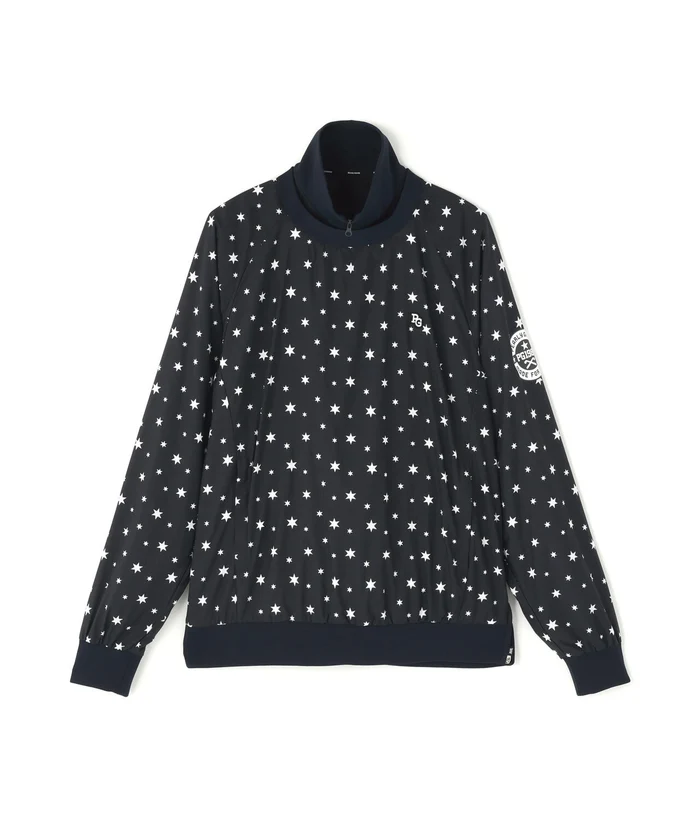
Apparel
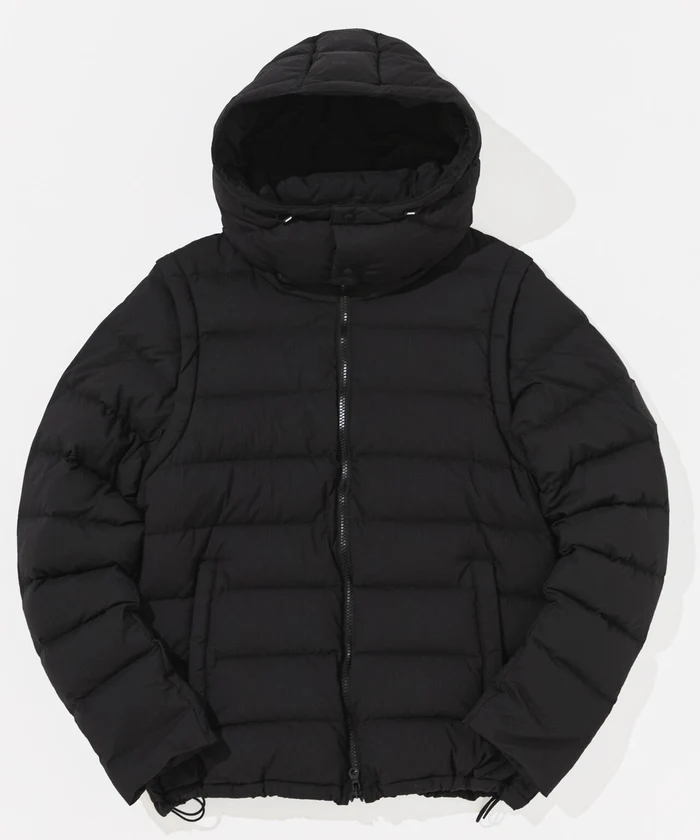
Official product page
Bags and accessories
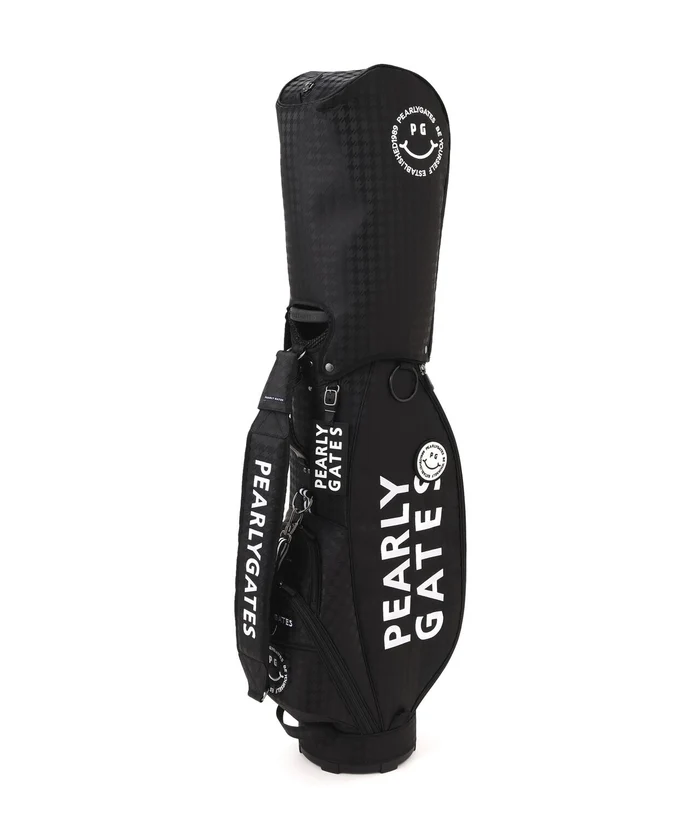
Official product page
Sizing and shopping in Japan
Japanese clothing size numbers may vary by product line and gender, so compare the official measurement chart with clothing you already own. For polos, check chest width and length; for trousers, check waist and inseam. Record the color and product code before contacting a store. If you are considering an outlet, remember that previous-season merchandise and current-season products may not be directly comparable.
How to style a polo featuring the ’89’ motif
A polo with a large ’89’ graphic can be the focal point of an outfit when paired with plain trousers. Conversely, a small-logo top works well with patterned bottoms. Official lookbook photographs offer useful styling references even if you do not buy the entire look. When trying a shirt on, check how it fits both tucked and untucked.
Choosing knitwear for layering
Autumn and winter knitwear can look very different when layered under an outer jacket. Check sleeve bulk, collar placement and how the material moves over a polo or mock-neck base layer. Colors may appear different outdoors than in a studio photograph. Thinking about an outfit you can assemble from clothes you already own can make a seasonal purchase more useful.
Comparing fit and prices
Before visiting a store, shortlist products on the official website and save their product codes. Compare like-for-like items when checking prices at full-price stores and outlets: a different season or fabric can change the value proposition. If you fall between sizes, test shoulder movement, chest room and hem length. International visitors should ask the individual store about exchange rules and tax-free shopping before paying.
Leave a Reply