
Introduction to JBEAM’s Evolution: From Persimmon Roots to High-Performance ZY Series
Understanding JBEAM drivers requires looking deeply at how a company rooted in traditional wooden persimmon craftsmanship has evolved to collaborate with modern long-drive champions and engineer cutting-edge custom components. By tracing this remarkable manufacturing history, golfers and custom club builders can better appreciate the intricate design choices that make the ZY series a staple in Japanese custom golf workshops.
In modern golf equipment fitting, premium component brands hold a distinct position compared to mass-market Original Equipment Manufacturers (OEMs). While major global brands typically offer complete stock configurations designed around standardized profiles, boutique component makers like JBEAM empower golfers to tailor every physical characteristic of their club. From precise head weight adjustments and face angle optimization to hand-selected exotic shaft pairings, the custom assembly process transforms a driver from a generic off-the-rack purchase into a personalized instrument built specifically for an individual’s swing dynamics.
The journey of JBEAM is characterized by an uncompromising dedication to material science, aerodynamic efficiency, and structural integrity. As we explore the evolution of their design philosophy from wooden blocks to advanced multi-material composites, we uncover why discerning players and master clubfitters continually turn to JBEAM when pursuing maximum distance, reliable dispersion, and exceptional feel. This comprehensive guide examines the milestones, technological breakthroughs, product lineups, and practical fitting considerations that define JBEAM’s ongoing pursuit of golfing excellence.
1982|The Genesis of Wood Craftsmanship in Persimmon Heads
According to the official corporate profile of JBEAM’s parent entity, JGI Inc., the company was established in 1982 (Showa 57) specifically through the art and precision of crafting persimmon wood golf heads. In the era preceding modern titanium alloys and composite carbon crowns, building a high-performance wood required exceptional woodworking skill, artistic intuition, and meticulous hand-shaping.
Crafting persimmon heads was far more than simply carving wood into an aerodynamic shape. Master craftsmen had to meticulously manage grain orientation, wood density, moisture content, and weight distribution. Every single head was carefully shaped by hand to achieve specific face angles, visual alignments, and target weights. Craftsmen sculpted the crown and sole profiles to ensure that when a player grounded the club behind the ball, the target line perception inspired absolute confidence.
Although contemporary materials have shifted dramatically toward titanium, tungsten, and carbon fiber composites, the fundamental philosophy established during the persimmon era remains alive within JBEAM’s modern workshop. The visual appearance of the head at address, the precise contouring of the top line, and the subtle curvature of the face are design elements that cannot be fully conveyed through digital catalog specifications alone. The aesthetic heritage of traditional woodwork influences how modern JBEAM drivers sit square behind the ball, offering a seamless blend of classic visual appeal and modern metallurgical engineering.
Transitioning to a Component Brand|Evaluating Individual Head Models
In the contemporary golf equipment market, JBEAM’s official driver lineup features high-performance models such as the ZY-MAX, allowing players and fitters to analyze each product based on its unique engineering merits. When purchasing complete standard clubs from major commercial manufacturers, golfers are usually restricted to factory stock shaft options that cater to a broad statistical average. In contrast, working with a specialized component studio gives players the freedom to establish loft angles, shaft weight classifications, and finished club lengths before hitting a single ball.
When evaluating different head models during a custom fitting session, it is easy to become distracted by anomalous data points. However, professional fitters emphasize prioritizing consistency over isolated career-best shots. During the first few swings with a new JBEAM head, data analysts look beyond maximum distance metrics to examine launch angles, spin rates, and left-to-right dispersion patterns under normal swinging conditions. A true custom fitting must account for real-world course conditions, ensuring that distance gains do not come at the expense of fairway-finding reliability.
Precision Lofts
Fine-tuning loft specifications ensures optimal launch windows and carry distance for every swing speed.
Weight Distribution
Strategic internal weighting optimizes center of gravity location for maximum energy transfer and forgiveness.
Dispersion Control
Minimizing side-to-side dispersion ensures tighter grouping on mishits during high-pressure course play.
Yasuhiro Yamazaki and the ZY-BLACK FW Shaft
According to official product documentation, the ZY-BLACK FW Shaft was developed through a rigorous joint research and development partnership with professional long-drive champion Yasuhiro Yamazaki. This collaboration integrates direct performance feedback from the absolute highest levels of professional distance competition into a fairway wood shaft designed for discerning golfers seeking exceptional stability.
Analyzing product lineage requires a clear distinction between components. While the ZY-BLACK FW shaft represents a direct collaborative development with Pro Yamazaki, consumers should understand specific product associations accurately without making broad assumptions about unrelated components. For instance, while elite athletes test and utilize various JBEAM clubheads in competitive environments, verifying which exact components were co-engineered versus which were selected for tournament play provides a transparent view of product development.
When golfers examine how professional insights shape equipment design, they gain a deeper appreciation for structural engineering. The high-stress forces generated during a competitive long-drive swing test graphite layup designs to their absolute limits. Lessons learned from managing extreme torsional rigidity and rapid load recovery in the ZY-BLACK series directly benefit everyday golfers by delivering tighter shot dispersion and more predictable energy transfer.
Visualizing the JBEAM ZY-MAX|Detailed Photography and Fitting Insights
Examining the official product specifications and high-resolution imagery of the JBEAM ZY-MAX provides immediate insight into its aerodynamic shaping, sole geometry, and address profile. During indoor simulator sessions or outdoor range testing, players evaluating a longer custom-built driver should carefully monitor changes in clubhead speed alongside impact location consistency across the clubface.
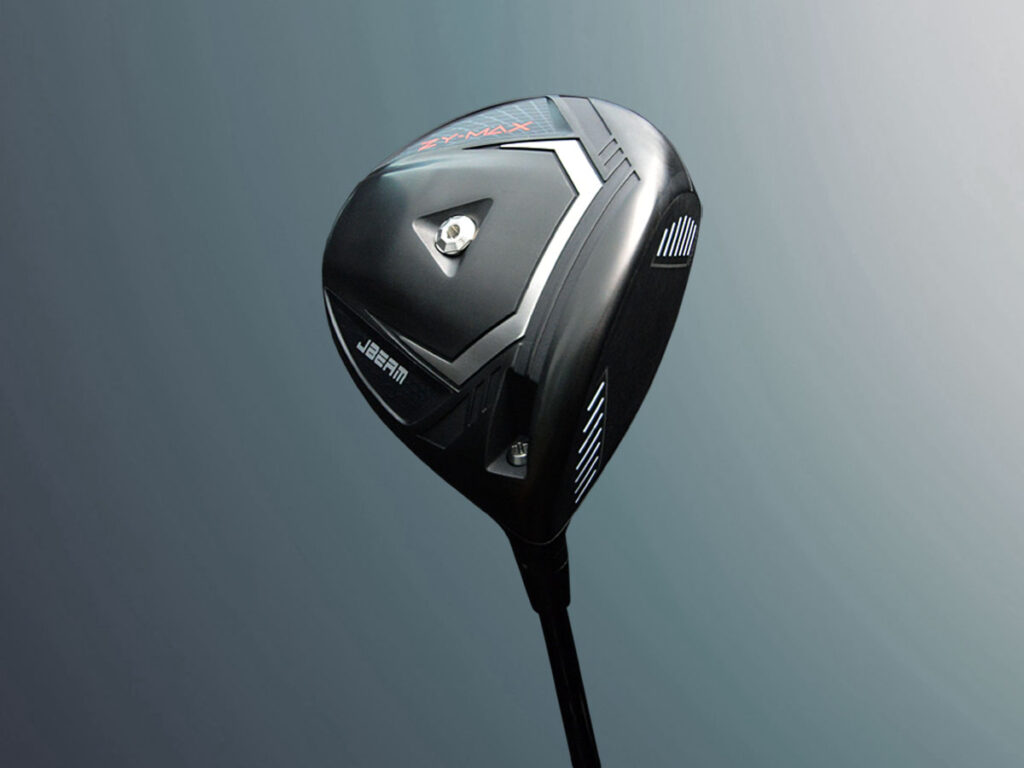
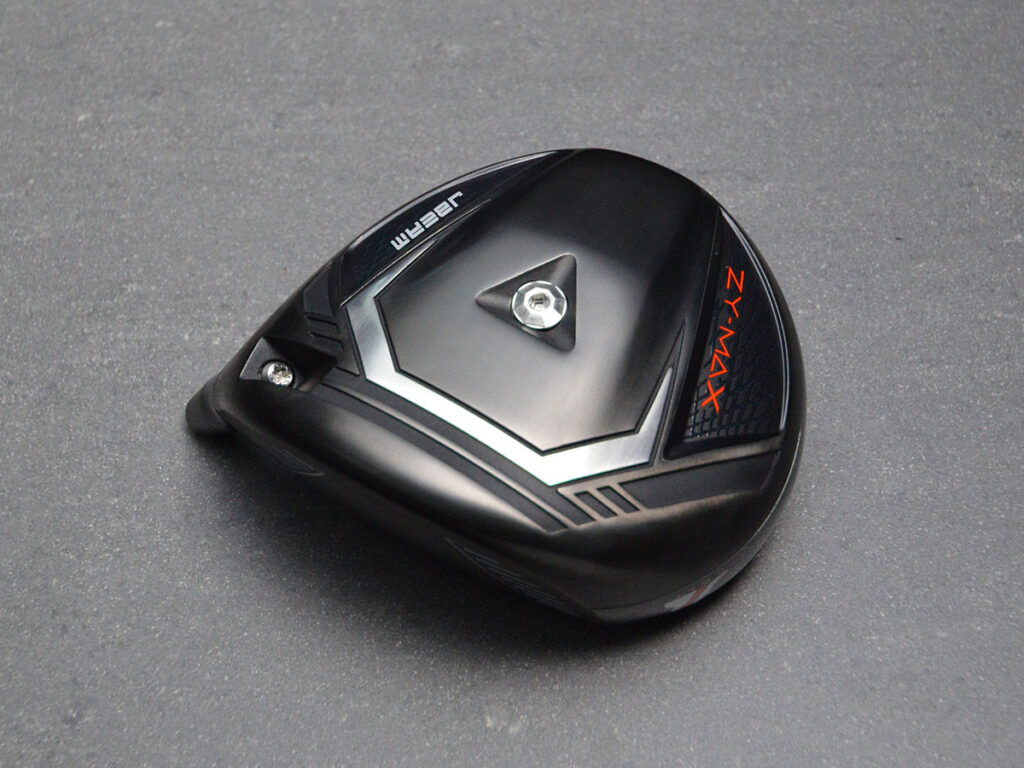
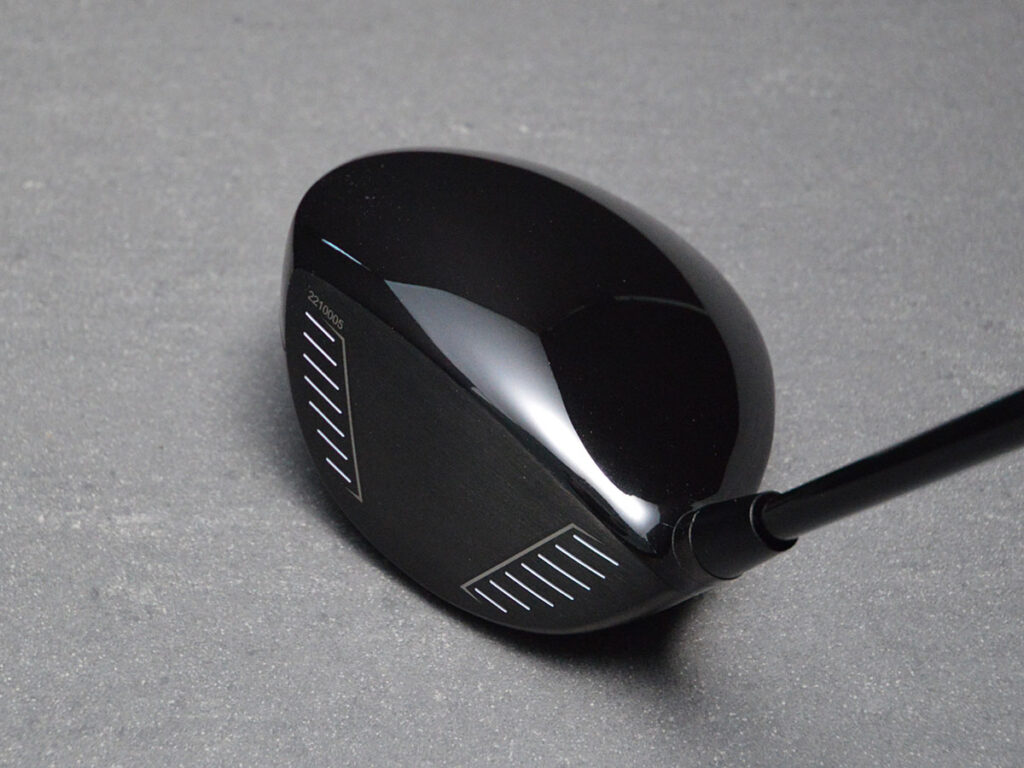
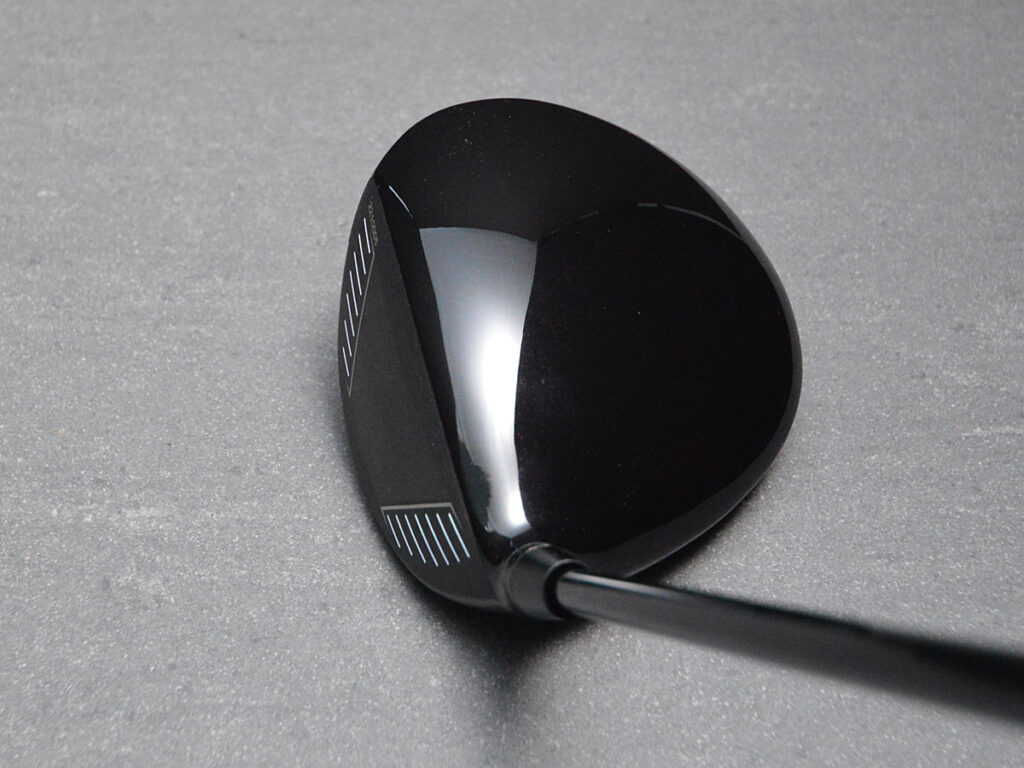
While achieving a higher peak distance measurement is exhilarating, practical on-course effectiveness depends heavily on dispersion control. If an increase in total distance results in a significantly wider landing dispersion, the tactical advantage during a tournament round diminishes rapidly. Players must evaluate their tee shots realistically, factoring in mishits and off-center strikes to determine whether a club configuration provides reliable scoring performance.
2004–2025 Milestones|JL BLACK and ZY-SPEED Innovations
Recent product announcements from JBEAM highlight continuous metallurgical and structural innovation. In December 2024, the company introduced the JL BLACK model, followed by the release of the ZY-SPEED in December 2025. The JL BLACK engineering philosophy centers on advanced face material properties paired with a lightweight carbon crown to optimize mass distribution. Meanwhile, the ZY-SPEED is specifically engineered to generate high-launch trajectory conditions even when paired with lower loft configurations.
Comparing these generational releases side by side reveals how material science continues to expand fitting parameters. By utilizing high-strength face alloys, engineers can reduce face thickness while maintaining structural durability, producing higher trampoline effect (COR) across an expanded hitting area. Simultaneously, carbon composite crowns redistribute discretionary weight low and deep into the chassis, increasing MOI and launch efficiency without sacrificing spin control.
Essential Preparation Before Consulting a Custom Workshop
Visiting a professional custom clubfitting workshop to test JBEAM equipment is an exciting experience, but arriving prepared ensures you extract maximum value from the session. Golfers should compile a clear record of their current equipment specifications, including exact loft measurements, current shaft models, club lengths, and known swing tendencies or miss patterns.
If precise technical numbers are unavailable, simply bringing your current driver to the fitting studio allows the builder to measure and compare specifications directly. When discussing potential builds with a master clubmaker, always request a comprehensive cost breakdown covering head pricing, shaft selection, specialized grip installation, assembly labor, and post-assembly adjustment options such as hot-melt weight tuning or lie angle bending.
Bridging Eras: Wooden Heritage Versus Data-Driven Modern Engineering
Examining JBEAM’s evolution from handcrafted persimmon woods to advanced titanium configurations highlights a fascinating continuity in club design: the supreme importance of visual alignment and address confidence. While modern launch monitors provide precise numerical data on clubhead speed, smash factor, launch angle, and spin rate, the psychological comfort of setting a club square behind the ball remains paramount.
Even the most technologically advanced driver will underperform if the player feels uncomfortable looking down at the address position. Subtle variations in face angle progression, crown curvature, and hosel transition influence how a golfer squares the face at impact. Taking a moment during a fitting session to write down subjective impressions of how a head sits at address—and pairing those notes with launch monitor metrics—provides invaluable insight into whether a club will inspire confidence under tournament pressure.
Long-Drive Demands Versus Course Management Realities
The specialized world of long-drive competitions offers brilliant insights into extreme distance generation, but transitioning those techniques to everyday course management requires careful strategic adaptation. Long-drive competitors optimize their equipment to maximize ball speed and carry distance on a grid, whereas a golf course demands precise control over shaping, trajectory, and landing areas.
When testing clubs in a retail simulator or outdoor fitting bay, maintaining your natural tempo is critical. Forcing extra effort into every swing to chase an artificial distance peak distorts performance data, making it difficult to separate the inherent capabilities of a new shaft or head from erratic swing mechanics. Alternating between your current gamer driver and potential JBEAM test configurations shot-for-shot allows for an objective, accurate comparison of performance gains.
Evaluating Fairway Wood Shafts Based on On-Course Application
When exploring components like the ZY-BLACK FW Shaft, golfers must analyze how they actually deploy fairway woods during a round. Do you primarily use your 3-wood or 5-wood off the tee on tight driving holes, or do you rely on them to reach par-5 greens in two shots from tight turf lies?
When fairway woods are primarily hit from the turf, maintaining a consistent launch window and predictable descent angle is just as critical as maximizing absolute distance. For players building a complete set including 3-woods and 5-woods, documenting gapping distances between the driver, fairway woods, and utility clubs ensures seamless distance progression. Recording exact head models, shaft flex profiles, and club specifications makes future re-orders or adjustments straightforward.
Summary and Next Steps for Exploring JBEAM
JBEAM’s corporate evolution from crafting traditional persimmon wood heads in 1982 to engineering modern high-performance components like the ZY series demonstrates a steadfast dedication to craftsmanship, material innovation, and player-centric design. Whether you are exploring the aerodynamic refinement of the ZY-MAX, examining the material advancements of the JL BLACK, or pairing your clubs with championship-proven shafts like the ZY-BLACK FW, understanding the engineering philosophy behind your equipment unlocks superior performance on the course.
To begin your journey toward a custom-built JBEAM setup, review the official product resources and schedule a session with an experienced custom clubfitter who can analyze your unique swing dynamics and build a club tailored precisely to your game.
Ready to Experience JBEAM Performance?
Explore the official driver lineups, technical archives, and manufacturer resources to plan your custom build.
View Official JBEAM Drivers
Leave a Reply