Miyazaki, on the southeastern coast of Kyushu, combines pine-lined championship fairways, ocean scenery, regional food and easy access from its compact airport. For visitors from South Korea and Taiwan, direct international flights make it possible to build a short golf holiday without connecting through Tokyo. This guide outlines a realistic two-night, three-day itinerary, with course and transport options rather than promising specific tee-time availability.
Getting to Miyazaki Airport (KMI)
According to the airport’s published 2026 international schedule, Asiana Airlines operates the Seoul–Miyazaki route on Wednesdays, Fridays and Sundays during the October 25–December 16 period. The Miyazaki–Seoul return is scheduled at 12:10, arriving at 13:55. A winter expansion to daily flights has been announced for December 18, 2026 through March 27, 2027; confirm the applicable schedule with the airline before booking.
Tigerair Taiwan’s Miyazaki–Taipei service is listed on Mondays and Fridays, departing Miyazaki at 10:30 and arriving Taipei at 12:00. These are outbound-from-Japan timings, not flight times for arriving passengers. Travelers should check the inbound flight separately and avoid scheduling a round of golf too close to departure.
This official Phoenix Seagaia Resort promotional film shows the resort’s coastal setting, accommodation and activities. It is a useful visual introduction before choosing where to stay.
After landing, collect luggage and transfer to your hotel. Two useful bases are central Miyazaki, convenient for restaurants and onward travel, and the Phoenix Seagaia Resort area, convenient for championship golf. A rental car or prearranged taxi is particularly useful for golfers carrying bags. Check international driving permit requirements before departure.
Spend the evening trying Miyazaki beef or local chicken dishes and plan an early start for the following morning. The first day is deliberately light: flight delays, baggage collection and golf-club transport make a same-day round less dependable.
2026 Flight Planning: Arrivals and Departures
For trips during 25 October–16 December 2026, Asiana Airlines lists Seoul Incheon to Miyazaki (OZ158) on Wednesday, Friday and Sunday, departing 09:20 and arriving 11:00. The return OZ157 leaves Miyazaki at 12:10 and reaches Incheon at 13:55. The published winter timetable lists daily Seoul flights from 18 December 2026 to 27 March 2027.
Tigerair Taiwan’s Taipei Taoyuan to Miyazaki flight IT742 arrives at 09:20 on Mondays and Fridays, with departure from Taipei at 06:05 on Mondays and 06:10 on Fridays. The return IT743 leaves Miyazaki at 10:30 on both days. All flight times are local and subject to airline changes. An early return flight makes a morning round on departure day impractical.
Known as the venue of the Dunlop Phoenix Tournament, Phoenix Country Club offers a high-profile tournament setting amid coastal pines. It is an appealing choice for experienced golfers seeking a connection to professional Japanese golf. Confirm visitor eligibility, available tee times, dress requirements, caddie or cart arrangements and the full playing fee directly through the official resort channels.
Course facts: Phoenix Country Club has 27 holes, 10,262 yards and a combined par of 108. It has hosted the Dunlop Phoenix Tournament since 1974. Visitors can explore both golf-only reservations and golf-and-hotel packages through the resort’s official booking portal. The course is at 3083 Shioji Hamayama, Miyazaki City; the golf reservations desk is +81-985-21-1301.
Another resort-area option is the Tom Watson Golf Course, associated with the legendary American golfer. Choose between the two based on access, tee-time availability and preferred playing experience; do not assume both courses have identical visitor policies.
After the round, enjoy a relaxed dinner featuring local specialties. A golf day in Japan can include an extended lunch break depending on the course and the booking format; the break is part of the social experience for many visitors, but it is not universal. Check whether lunch is included in the selected package.
Tom Watson: Day Golf, Night Golf and Actual Published Fees
Tom Watson Golf Course is an 18-hole, par-72, 6,984-yard layout in the Seagaia resort area. Its illuminated night-golf offering is particularly attractive when an early arrival allows a relaxed afternoon before playing. The resort publishes night-golf rates of ¥5,500 for 9 holes or ¥10,000 for 18 holes on weekdays, and ¥7,500 or ¥14,000 respectively on weekends and public holidays. Resort hotel guests receive published discounts: ¥5,000/¥9,500 on weekdays and ¥7,000/¥13,500 on weekends. These are the advertised night-golf rates, not guaranteed prices for every future date. A locker costs an additional ¥330.
For visitors travelling light, the resort also operates Phoenix Golf Academy, with a 350-yard practice range and short-game facilities. Published opening hours are 07:00–20:00, with a Wednesday closure between 12:00 and 16:00.
Day 3: Airport-Friendly Golf or Coastal Sightseeing
Travelers with an afternoon or evening departure may consider a round near the airport, subject to course availability and adequate travel time. Miyazaki International Airport Country Club is a potential option to investigate for a convenient final day. However, travelers taking the published 10:30 Taipei departure or 12:10 Seoul departure should not plan a full round before flying. Instead, have breakfast, check out and head to the airport early.
If flight times allow, alternative sightseeing includes Aoshima’s coastal scenery and shrine, or a leisurely visit to Miyazaki city. Avoid combining distant attractions with a tight international departure.
A Visitor’s View of the Miyazaki Coast
For another perspective on the resort, food, coastal attractions and nearby Aoshima, this independent travel video follows a family stay at Phoenix Seagaia Ocean Tower. It is a third-party travel account, not a resort-operated video.
The Phoenix Seagaia Resort area is a natural base for golfers focused on the Phoenix and Tom Watson courses. Central Miyazaki is another practical choice for travelers who prefer evening restaurants and urban convenience. Check the hotel’s club-storage policy, shuttle service and transfer arrangements before making a reservation.
Booking Golf in Japan: Practical Checklist
Confirm the course’s official reservation method and whether overseas visitors can book directly.
Check the total playing fee, any caddie or cart charges, and whether lunch is included.
Ask about rental clubs, shaft flex, handedness and available brands if you are not bringing your own set.
Confirm dress code, cancellation conditions and the expected time needed for an 18-hole round.
Verify rental-car insurance and driving documentation, or arrange a taxi in advance.
Check airline golf-baggage rules and extra charges for the exact flight.
Why Miyazaki Works for a Golf Trip
Unlike a rushed urban stopover, Miyazaki rewards a trip built around the courses themselves. Championship golf, the Pacific coast, regional food and resort accommodation can fit naturally into two nights and three days. Flight schedules should determine the final-day plan, and official course reservations should be secured before the trip is finalized.
プレゴルTV(2026年8月15日公開)によるRay TYPE R PLUS DRIVER SPEED TUNE MAXの試打
Ray TYPE R PLUSのモデル構成と価格
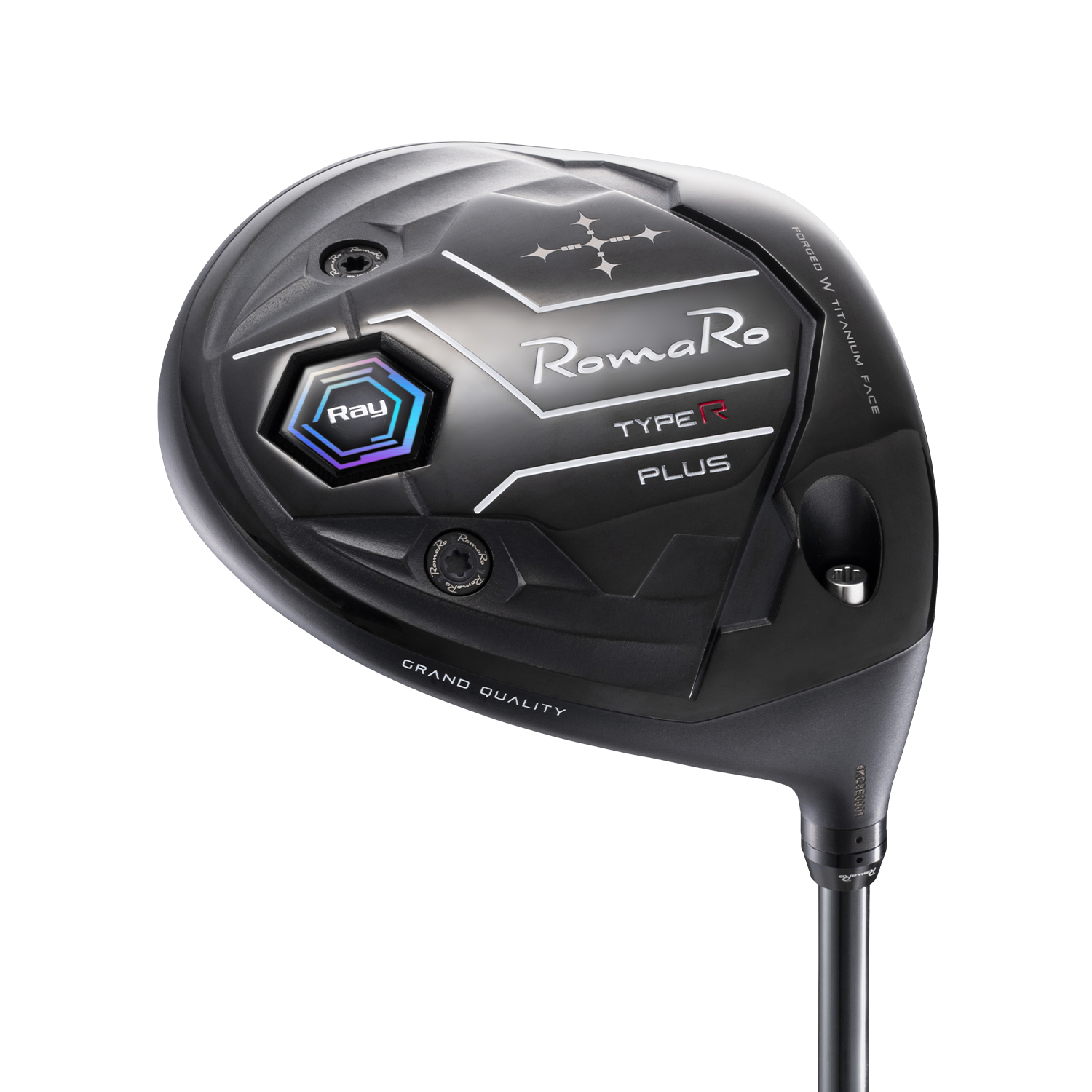
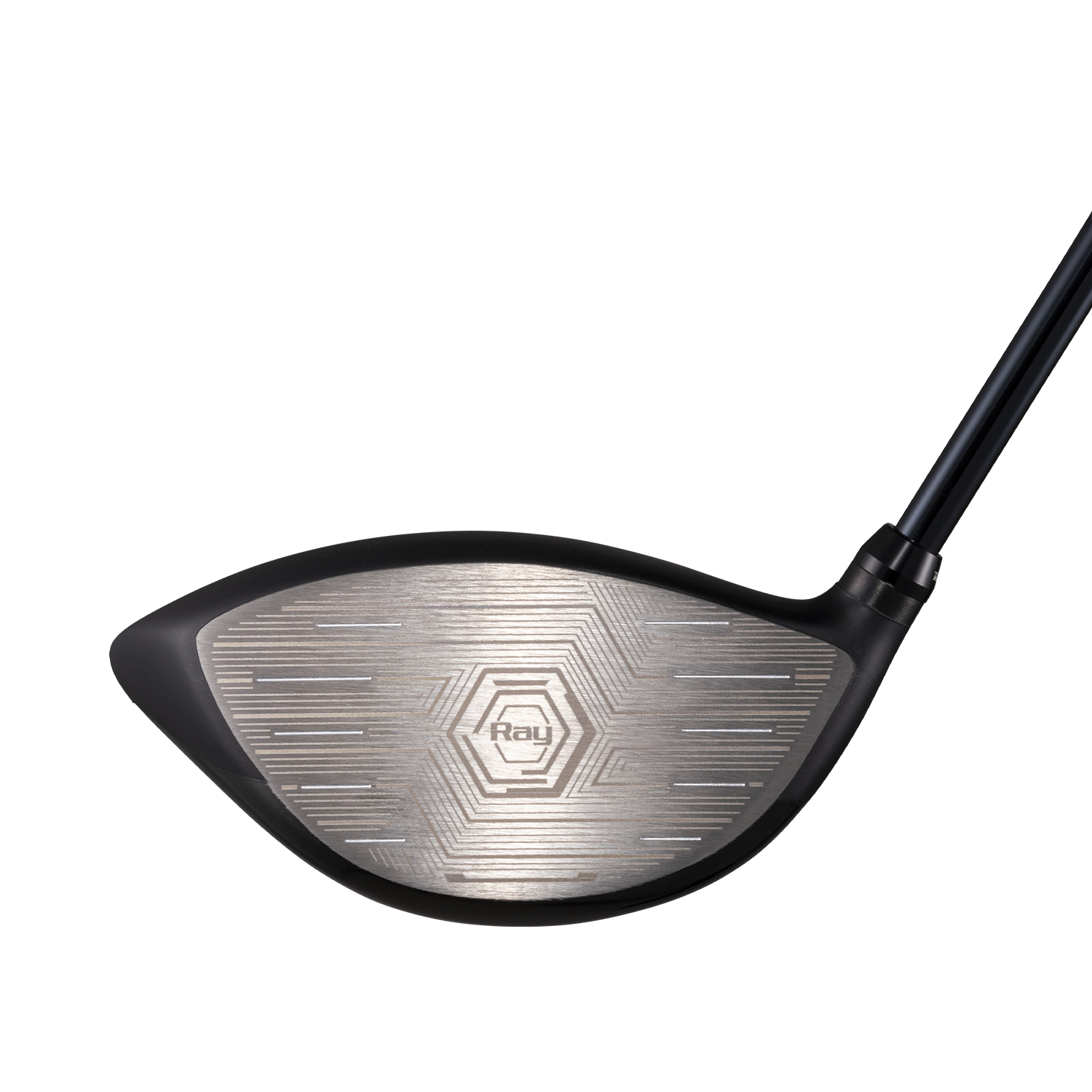
RomaRo公式製品情報によると、TYPE R PLUS DRIVERのルール適合モデルは10.5度(BLACK TUNEは9.5度)で、標準シャフト付きクラブの税込価格は126,500円。SPEED TUNE MAXは高反発仕様で、標準クラブ価格は税込143,000円となっている。いずれも公式サイト掲載価格であり、シャフトなどのカスタム内容によって完成価格は異なる。
TYPE R PLUSのフェアウェイウッドは15度、18度、21度の3番手で、公式標準クラブ価格は税込92,400円。ユーティリティは18度から30度まで5番手あり、標準クラブ価格は税込80,300円。UTの標準ウェイトはメーカー告知によりトゥ3g・ヒール3gへ変更された。
Ray TYPE R PLUS UT、Ray α、Ballistaを軸に、モデルごとの発売時期と用途を区別して比較する。製品が同じカテゴリーに属していても、狙うプレーヤー、構造、使い方は異なる。名称だけを並べるのではなく、各モデルがどんな課題に応えるために企画されたのかを読み解くことが、ブランドの独自性を伝える第一歩になる。
**Q1:ロマロのクラブは初心者でも使えますか?**
A1:はい、使用可能です。ロマロには上級者向けのシビアなモデルだけでなく、適度な重心深度や寛容性を持たせたモデル(Ray Type Rシリーズなど)も多数ラインナップされています。初心者であっても、適切なフィッティングを受け、自分のヘッドスピードやスイング特性に合ったシャフトと組み合わせることで、十分にその恩恵を受けることができます。
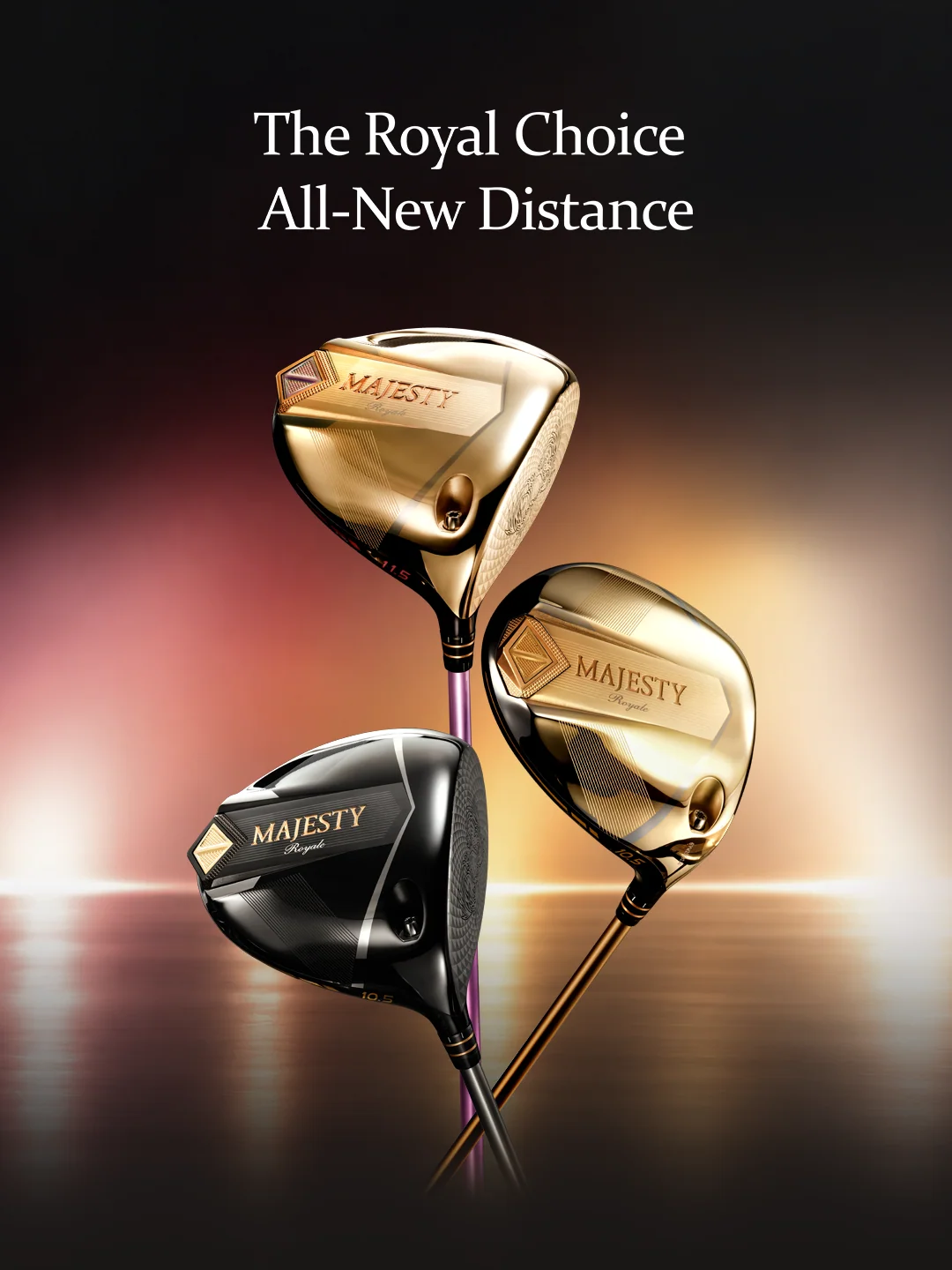
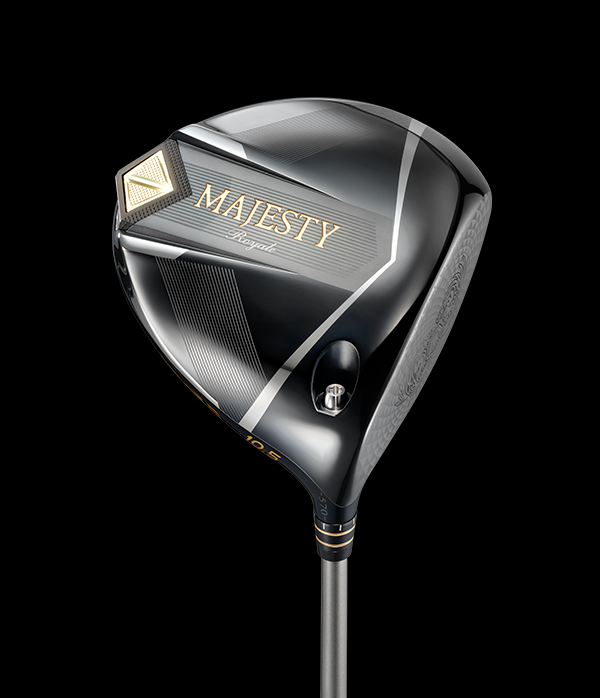
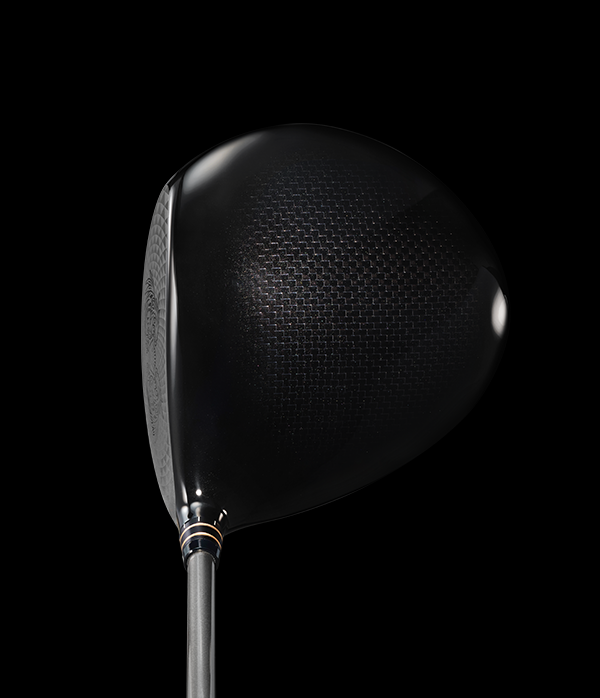
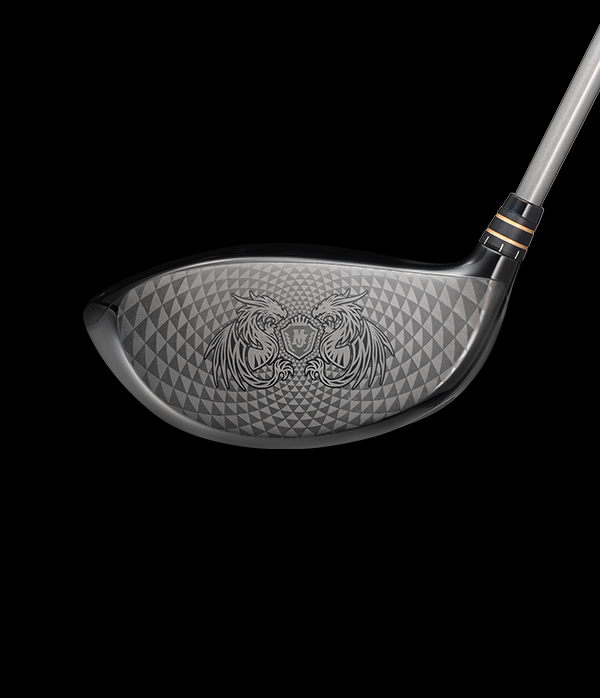
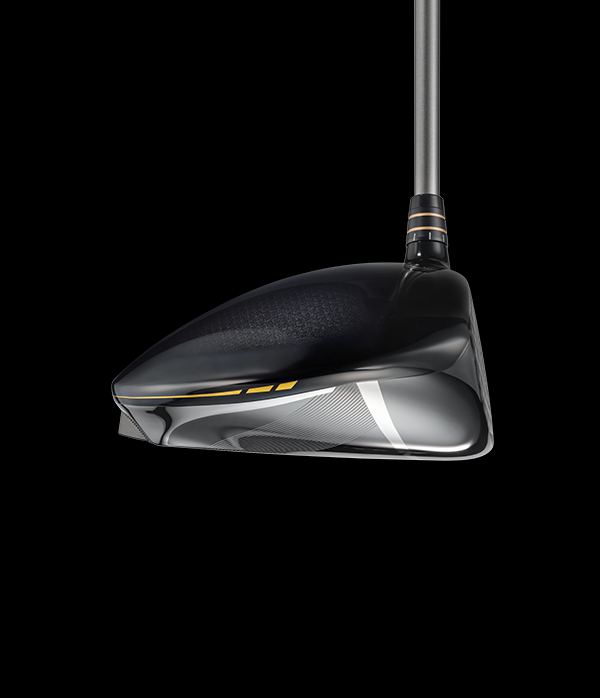
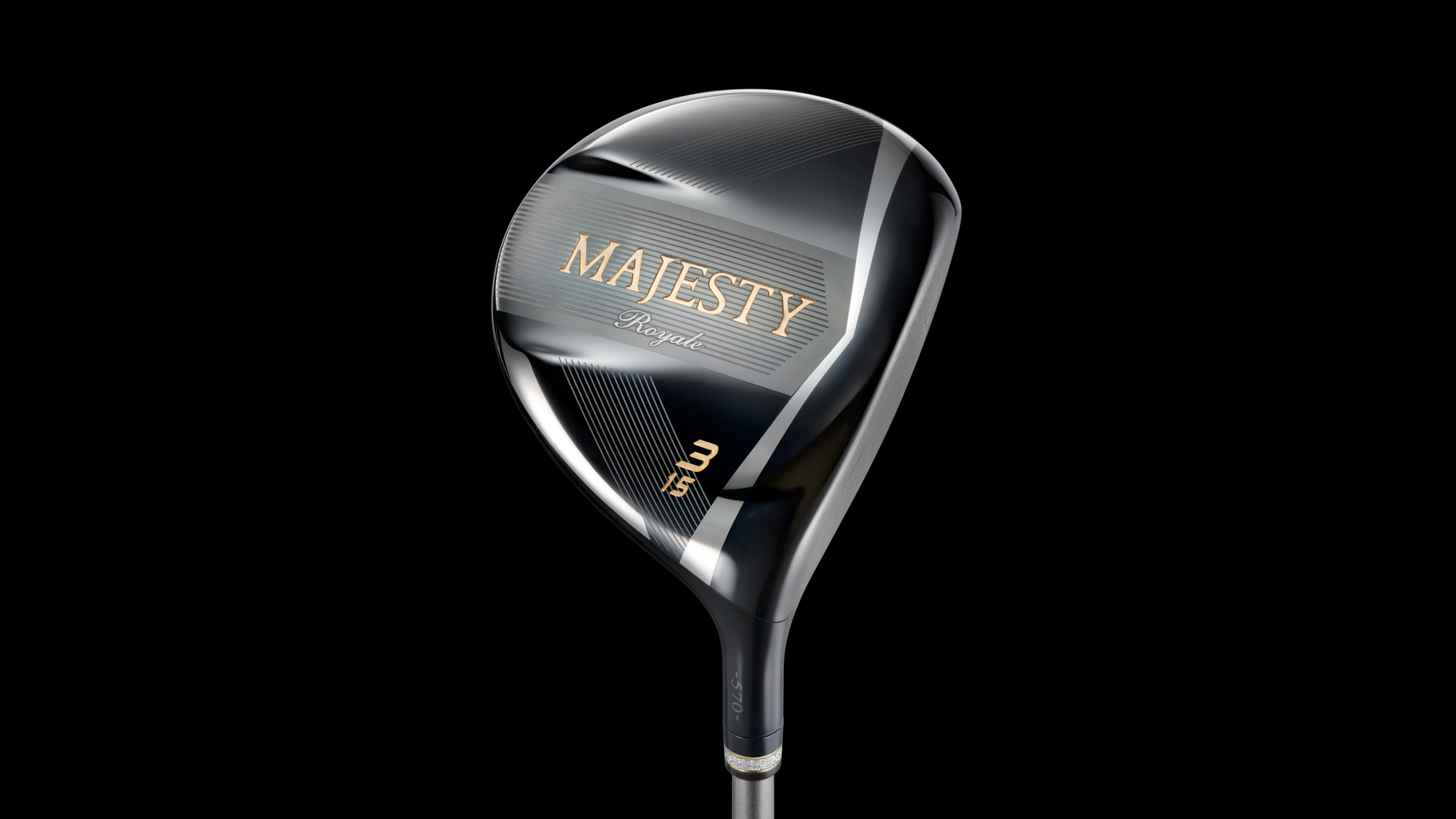
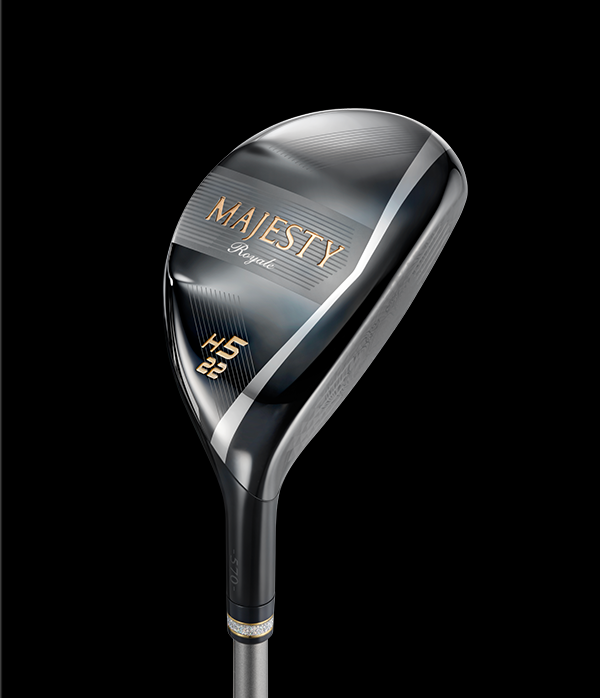
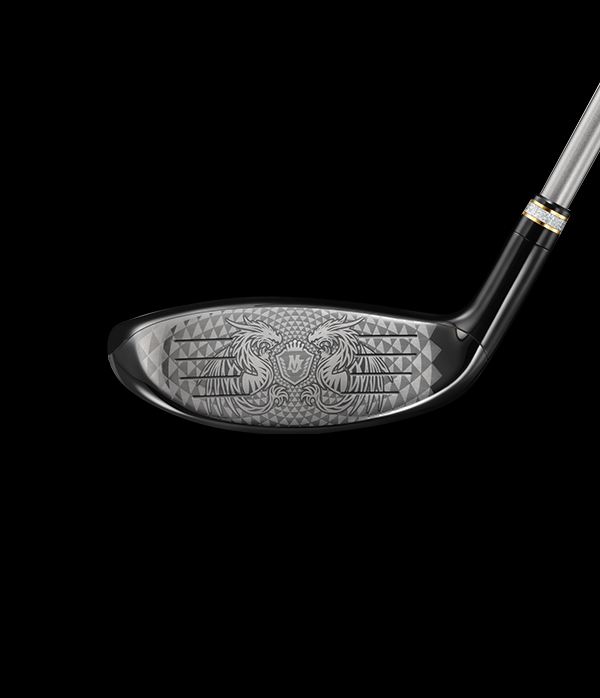
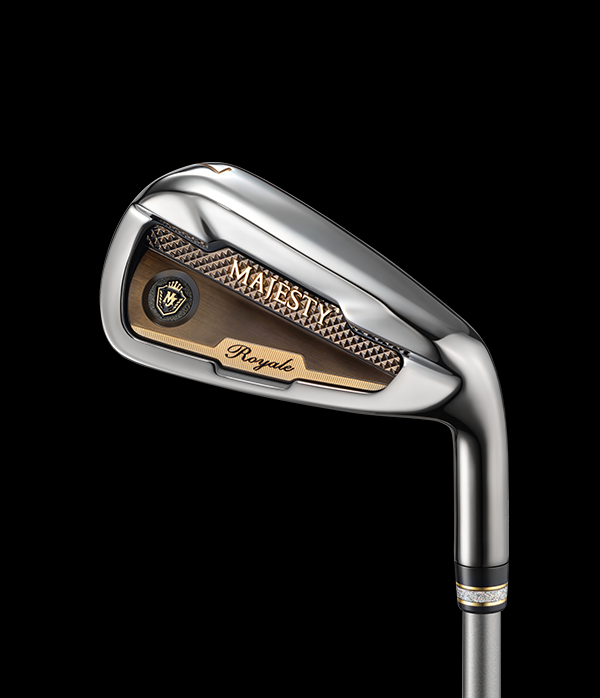
Welcome to the ultimate shopping and technical guide for the newly announced MAJESTY Royale 2026 collection. Released in November 2026 with an official market launch planned for December 18, 2026, this latest Japanese luxury golf club lineup represents the pinnacle of craftsmanship, proprietary high-modulus carbon technology, and prestige engineering. Designed explicitly for players seeking effortless distance, exceptional sound, and uncompromising aesthetic elegance, the Royale 2026 series sets a new benchmark in the ultra-premium golf equipment market.
In this comprehensive guide, we will break down everything you need to know about the MAJESTY Royale 2026 lineup. From its official brand history and advanced club engineering to the exclusive launch benefits—such as complimentary domestic exchange shafts for drivers and specialized heated vests for iron sets—we have curated every detail. Furthermore, this guide features a verified Japanese retail shopping guide with real store addresses, practical instructions for overseas travelers visiting Japan to purchase golf gear, and essential insights into navigating tax-free shopping and international shipping regulations without speculation.
Understanding the Legacy: The MAJESTY Brand Heritage
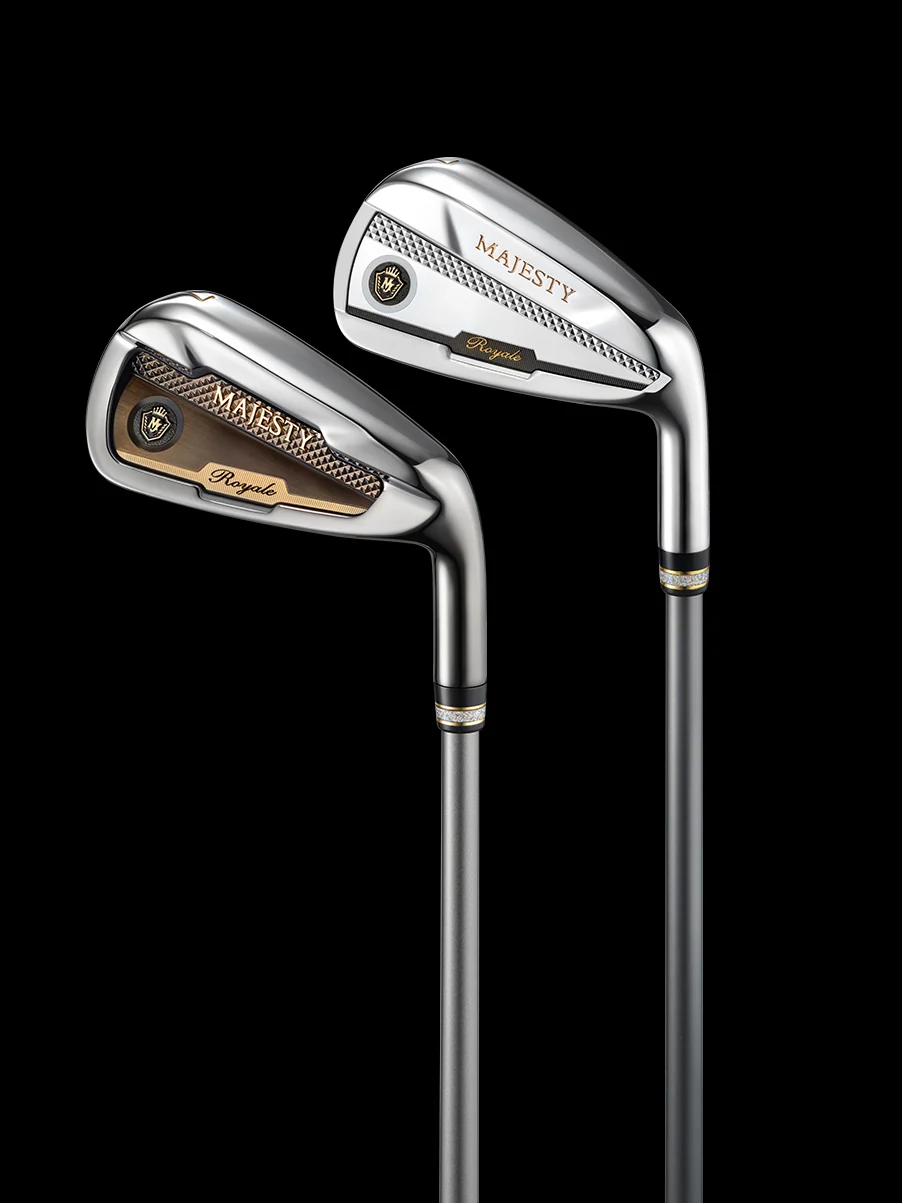
MAJESTY Royale club family — MAJESTY product imageryMAJESTY luxury club lineup — MAJESTY product imagery
To truly appreciate what makes the MAJESTY Royale 2026 release so significant, one must understand the heritage of the brand. Operated under parent company Master Co., Ltd. (formerly known globally as Maruman Golf), MAJESTY has long stood as the definitive symbol of luxury in the Japanese golf industry. Founded on the principle that golf equipment should be treated as fine art, the company has spent decades refining the intersection of metallurgy, aesthetics, and kinetic performance.
Unlike mass-market American and European golf brands that focus primarily on high-volume production and robotic fitting data, MAJESTY operates in a realm akin to haute horology or bespoke tailoring. Every clubhead is forged, polished, and finished by master artisans in Japan who have spent lifetimes perfecting their craft. The brand’s philosophy centers on “absolute distance through lightweight construction,” targeting golfers who experience a natural decline in swing speed over time yet refuse to sacrifice performance, prestige, or the sheer joy of striking a golf ball purely.
The MAJESTY Royale line, specifically, occupies a vital space in the brand’s portfolio. While the flagship MAJESTY Prestigio series caters to the ultra-exclusive echelon of players looking for maximal assistance and exotic materials, the Royale series strikes a brilliant balance. It delivers cutting-edge distance technology and lightweight performance wrapped in a slightly more versatile, dynamic package that appeals to accomplished senior players, elegant ladies golfers, and ambitious amateurs who demand nothing less than absolute perfection.
Engineering and Technological Breakthroughs in the MAJESTY Royale 2026
The MAJESTY Royale 2026 collection is not merely an aesthetic refresh; it represents a monumental leap forward in material science and aerodynamic clubhead design. Master Co., Ltd. has poured years of research and development into solving one of golf’s most enduring challenges: how to increase clubhead speed without compromising stability, launch angle, or dispersion.
At the core of the 2026 collection is the implementation of Tri-Fusion High-Modulus Carbon. By strategically integrating multi-axial carbon fiber composites into the crown and sole plates of the woods, engineers have been able to strip away unnecessary weight from the upper structure. This mass is then repositioned deep within the clubhead, creating an exceptionally high moment of inertia (MOI) and a low, deep center of gravity (CG). The result is a driver and fairway wood lineup that launches the ball on a towering, piercing trajectory with minimal spin—the holy grail for distance-seeking players.
Furthermore, the face architecture has undergone a radical redesign. Utilizing a proprietary variable-thickness titanium cup face forged from super-alloy materials, the 2026 Royale clubs maximize the trampoline effect across a broader impact zone. Even on off-center strikes toward the heel or toe, ball speeds remain remarkably consistent. Coupled with MAJESTY’s signature acoustic tuning ribs inside the clubhead, players are treated to a deeply satisfying, resonant “crack” at impact that has become the auditory trademark of the brand.
The MAJESTY Royale 2026 collection is a fully integrated ecosystem of golf equipment, meticulously engineered so that every club transitions seamlessly into the next. Let us examine each category in detail:
The MAJESTY Royale 2026 Driver
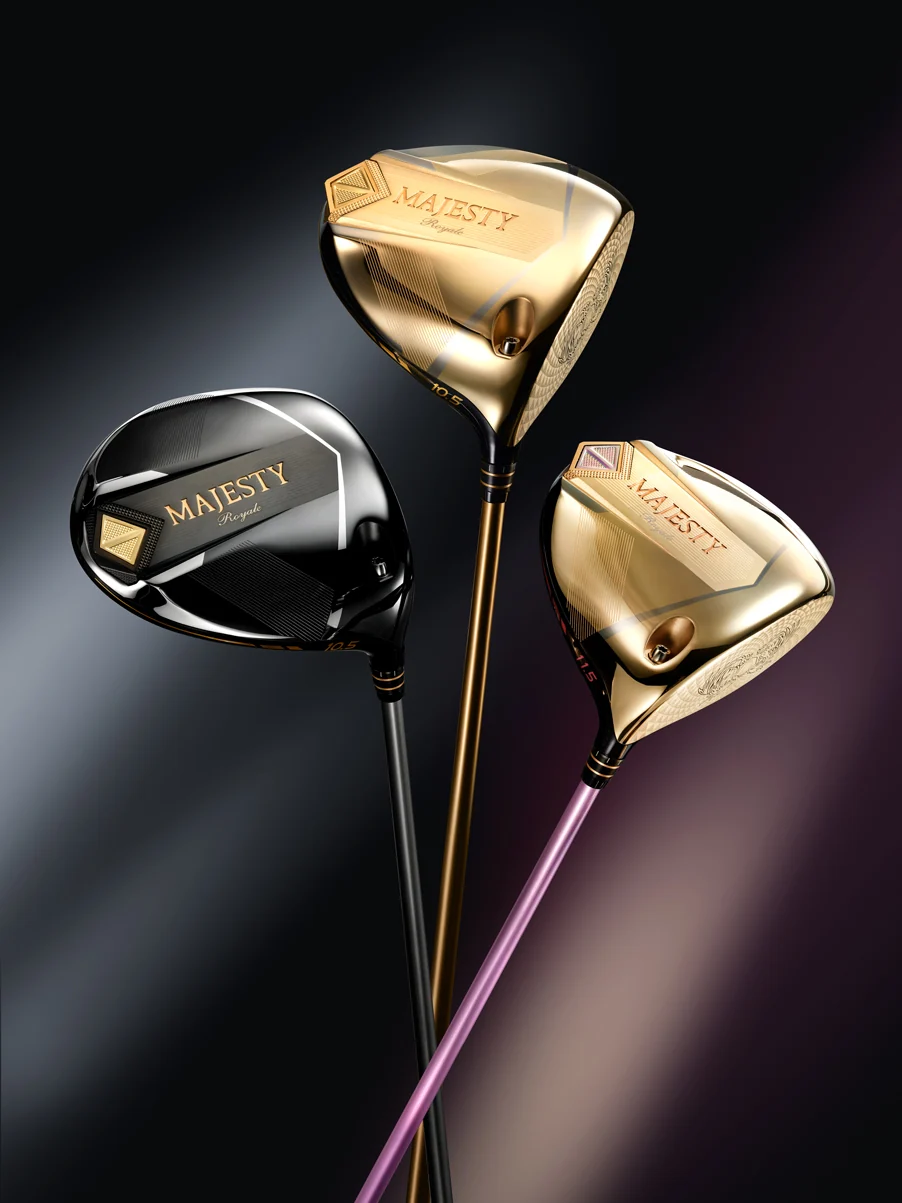
The crown jewel of the collection is the Royale 2026 Driver. Featuring a stunning gradient mirror finish that catches the light like a luxury timepiece, the driver is engineered for absolute aerodynamic efficiency. The crown features subtle turbulator steps that reduce drag during the downswing, allowing players to generate higher clubhead speeds with zero extra effort. Available in standard lofts ranging from 9.5 to 11.5 degrees, it comes paired with an ultra-lightweight proprietary graphite shaft that loads effortlessly and snaps back with explosive velocity.
Fairway Woods and Utilities
Following the driver are the Royale 2026 fairway woods (3W, 5W, 7W) and utility woods. These clubs are designed with a shallow face profile that makes launching the ball high off the turf effortless, whether you are playing from a tight fairway lie or the intermediate rough. The maraging steel face inserts provide exceptional spring-like characteristics, while the tungsten-weighted sole plate ensures that the clubhead stays square through impact, eliminating the dreaded two-way miss.
The Royale 2026 Iron Sets
Perhaps the most anticipated component of the release is the iron lineup. Available in configurations ranging from 5-iron through Pitching Wedge, with matching utility wedges (AW, SW), the Royale 2026 irons utilize a hollow-body, multi-material construction. Tungsten weights are strategically placed in the sole of the long and mid-irons to guarantee high launch conditions, while the short irons feature a more compact, blade-like profile for precise distance and trajectory control. The striking gold and black ion-plated finish is remarkably durable, resisting bag chatter and wear over seasons of rigorous play.
Exclusive Launch Benefits and Promotions
To celebrate the debut of the MAJESTY Royale 2026 collection, Master Co., Ltd. has rolled out an unprecedented suite of promotional benefits for early adopters. These incentives are designed to provide maximum value and customization for discerning purchasers:
Complimentary Domestic Exchange Shafts for Drivers
Recognizing that finding the exact right shaft flex is critical to optimizing performance, MAJESTY is offering a complimentary domestic exchange shaft program for purchasers of the Royale 2026 driver. If a golfer purchases a standard stock shaft and subsequently realizes they require a different flex profile (e.g., transitioning from Regular to Stiff-Regular, or adjusting weight classes), authorized Japanese retailers and fitting centers will facilitate a complimentary shaft exchange within the domestic Japanese market window. This ensures that every player can dial in their launch conditions without incurring secondary aftermarket expenses.
Specialized Heated Vests for Iron Set Purchases
In a uniquely Japanese nod to seasonal comfort and hospitality (omotenashi), purchasers of a complete MAJESTY Royale 2026 iron set during the initial launch window receive a luxury, branded heated vest. Designed for playing golf in crisp autumn and winter conditions, this USB-powered thermal vest integrates seamlessly into a golfer’s layering system, providing targeted warmth to the core without restricting the rotational freedom of the golf swing. It is a testament to the lifestyle-oriented nature of the MAJESTY brand, acknowledging that true luxury extends beyond the equipment itself.
Verified Japanese Retail Shopping Guide
For golf enthusiasts planning a trip to Japan or leveraging international procurement channels, purchasing the MAJESTY Royale 2026 collection directly from verified Japanese retailers guarantees authenticity, access to full manufacturer warranties, and the best possible pricing. Below is a curated directory of premier golf specialty stores in Tokyo and Osaka known for carrying ultra-premium luxury golf equipment.
Premier Retail Locations in Tokyo
Victoria Golf (Aoyama Branch): Located in the heart of upscale Minato-ku, this flagship store features a dedicated luxury lounge where customers can test MAJESTY equipment in private launch monitor bays equipped with TrackMan technology. Address: 2-3-1 Minami-Aoyama, Minato-ku, Tokyo.
Golf 5 Prestage (Nihonbashi): Catering specifically to affluent golfers and international connoisseurs, Golf 5 Prestage stocks the complete MAJESTY Royale lineup alongside expert fitters fluent in English. Address: 2-4-1 Nihonbashi, Chuo-ku, Tokyo.
Tsuruya Golf (Ginza Store): Situated on the prestigious Ginza shopping strip, Tsuruya offers an elite retail experience with personalized customer service and comprehensive tax-free processing counters. Address: 5-7-2 Ginza, Chuo-ku, Tokyo.
Premier Retail Locations in Osaka
Daiwa Golf Umeda Flagship: The premier destination for golf equipment in the Kansai region, featuring an expansive inventory of luxury Japanese domestic market (JDM) clubs. Address: 3-1-3 Umeda, Kita-ku, Osaka.
Victoria Golf (Osaka Namba): Conveniently located near Namba station, offering dedicated fitting services and immediate stock availability for the Royale 2026 collection. Address: 2-2-2 Namba, Chuo-ku, Osaka.
Step-by-Step Guide for International Travelers Buying Golf Gear in Japan
Purchasing high-end golf clubs while visiting Japan is an exceptional experience, but navigating foreign retail environments requires preparation. Follow this step-by-step framework to ensure a seamless purchasing process:
Step 1: Pre-Trip Research and Fitting Appointment Booking
Before boarding your flight to Tokyo or Osaka, visit the official MAJESTY Japan website or contact major retailers like Victoria Golf via email to book a fitting session. Because the Royale 2026 collection features sophisticated shaft options and bespoke loft configurations, securing a dedicated fitting slot guarantees you will have the undivided attention of a certified club fitter.
Step 2: Bring Your Passport
In Japan, tax-free shopping for international tourists is mandatory at participating department stores and specialty golf shops. You must present your original passport (digital copies or photos are not accepted) at the time of purchase. Ensure your entry stamp or landing permission sticker is up to date.
Step 3: Leverage Launch Monitor Fitting Sessions
During your fitting, hit a minimum of 10-15 balls with your current gamer club to establish a baseline, then transition into the MAJESTY Royale 2026 driver and irons. Pay close attention to spin rates, launch angles, and dispersion patterns. Do not simply look at total distance; consistency is the true hallmark of a properly fitted luxury golf club.
Step 4: Execute Tax-Free Transactions
At checkout, inform the cashier that you wish to process the transaction as tax-free (免税 – *Menzei*). Japan’s consumption tax is 10%, which provides a substantial saving on a multi-thousand-dollar luxury golf set. The retailer will affix a tax-record slip to your passport and package your golf clubs in a secure, tamper-evident bag if required by local customs guidelines.
Step 5: Airline Transport and Baggage Best Practices
Transporting your new MAJESTY Royale 2026 clubs back home requires a sturdy, well-padded travel bag. We strongly recommend investing in a hard-shell travel case or a heavily padded soft bag with stiffener arms. When checking your golf bag at the airline counter, declare the contents as fragile golf equipment and affix an international luggage tracker (such as an Apple AirTag or Tile) inside the bag compartment for peace of mind.
Navigating Tax-Free Shopping and International Shipping Regulations
Purchasing luxury golf equipment abroad inevitably raises questions regarding customs duties, consumption tax refunds, and international shipping logistics. Here is a clear, factual breakdown of what you need to know:
Understanding Japan’s Tax-Free System
As of recent revisions to Japanese consumption tax law, foreign tourists staying in Japan for less than six months are eligible to purchase general goods—including golf clubs—free of the 10% consumption tax. To qualify, the total purchase amount at a single store on the same day must exceed 5,000 JPY. The goods must be exported from Japan within six months of purchase. While customs officials at Japanese airports may spot-check travelers upon departure, it is standard procedure to keep the tax-record slip attached to your passport until you clear immigration control.
Shipping vs. Luggage Check: Which Is Better?
Many international buyers grapple with whether to check their new golf clubs as oversized airline luggage or ship them via international courier services such as Japan Post (EMS), FedEx, or DHL.
Checking the clubs as airline baggage is usually the most cost-effective method, as many international carriers allow golf travel bags as part of your standard checked luggage allowance, provided they are under weight limits (typically 23kg or 50lbs). However, if you are purchasing a complete set including driver, fairway woods, irons, and a matching tour bag, the total weight may exceed standard limits, resulting in excess baggage fees.
Alternatively, shipping the clubs directly from the retail store or via Japan Post offers unmatched convenience. Major golf retailers in Tokyo and Osaka frequently partner with international shipping desks that handle the customs paperwork, insurance declarations, and secure door-to-door delivery. While this incurs shipping fees, it spares you the hassle of navigating subway systems and airport terminals with oversized luggage.
Import Duties and Taxes in Your Home Country
When bringing golf equipment back into your home country (whether through the United States, European Union, Australia, or elsewhere), you are legally obligated to declare goods purchased abroad that exceed your personal customs exemption allowance. In the United States, for instance, returning residents are granted a duty-free exemption (typically $800 per person), after which a flat duty rate applies. Always retain your original store receipts and tax-free documentation to present to customs officers if requested. Failing to declare high-value luxury goods can result in confiscation and heavy financial penalties.
Best Practices and Maintenance for Your MAJESTY Royale 2026 Clubs
Investing in the MAJESTY Royale 2026 collection is a commitment to superior performance and aesthetic excellence. To ensure your clubs maintain their pristine finish and peak mechanical integrity for years to come, adhere to the following maintenance best practices:
Clubhead Care and Cleaning
The exquisite gold and mirror-polished finishes on the Royale 2026 woods and irons are engineered to withstand normal play, but abrasive dirt, sand, and grit can scratch the surface if neglected. After every round, clean your clubheads with warm water, mild dish soap, and a soft-bristled brush. Never use steel wool, abrasive scouring pads, or harsh chemical solvents. Dry the clubs thoroughly with a microfiber towel before storing them in your golf bag.
Shaft and Grip Maintenance
The ultra-lightweight high-modulus carbon shafts require minimal maintenance, but you should inspect them periodically for any signs of bag-chatter wear or structural impact damage. Wipe the graphite shafts down with a damp cloth to remove sweat and oils. For the grips, wash them with warm soapy water every few months to restore their tackiness and prevent rubber degradation caused by hand oils and sunscreen.
Storage Climate Considerations
Never store your golf clubs in the trunk of your car for extended periods, especially during extreme summer heat or freezing winter conditions. High temperatures inside a vehicle trunk can weaken the epoxy adhesives binding the clubhead to the shaft, while severe cold can compromise the structural integrity of carbon composite materials. Store your clubs in a temperature-controlled indoor environment.
Comparative Analysis: MAJESTY Royale 2026 vs. Previous Generations
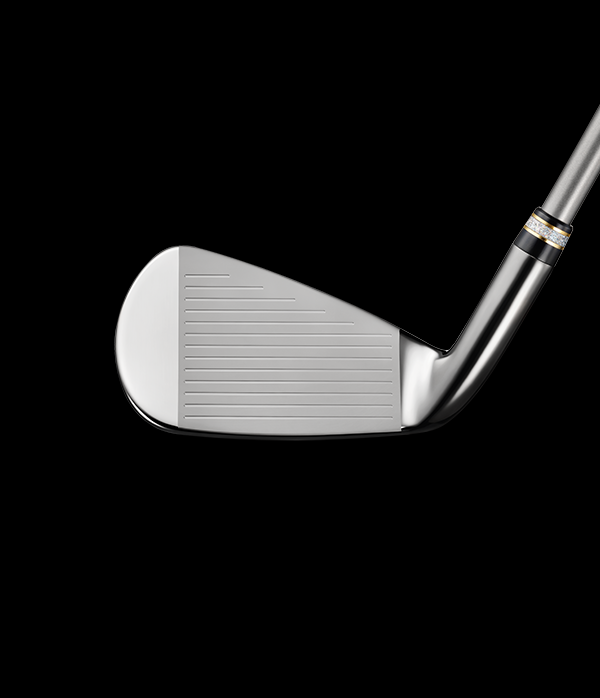
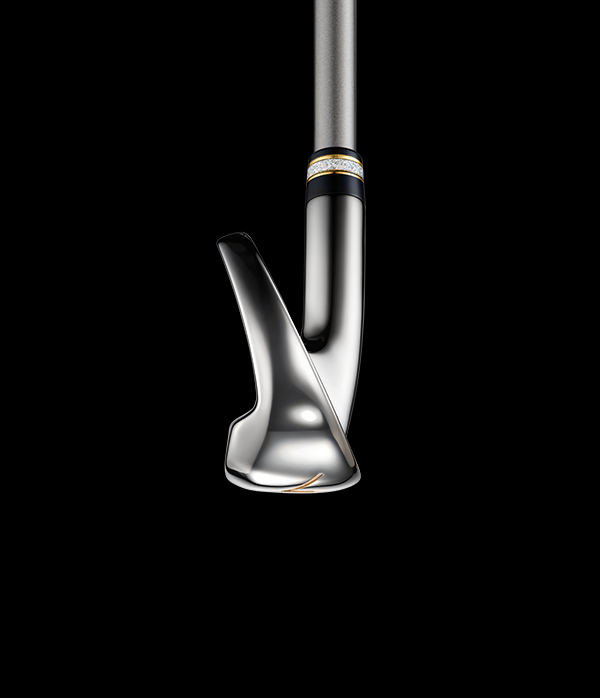
MAJESTY iron design — MAJESTY product imageryIron side profile — MAJESTY product imagery
To understand the true magnitude of the 2026 release, it is illuminating to compare it directly with its predecessor, the MAJESTY Royale 2023 collection. Master Co., Ltd. has implemented several key evolutionary upgrades:
Weight Reduction and Distribution: The 2026 iteration utilizes a 12% higher concentration of multi-axial carbon fiber in the woods compared to 2023, resulting in a significantly lower center of gravity and an optimized launch angle that yields an average of 4-6 yards of additional carry distance.
Face Flex Technology: While the 2023 model utilized a cup-face design, the 2026 version introduces variable-thickness zones derived from artificial intelligence impact simulations. This expands the high-COR (Coefficient of Restitution) zone by 18%, making miss-hits far more forgiving.
Aesthetics and Durability: The ion-plated metallic finish on the 2026 irons features a newly formulated anti-scratch topcoat that resists bag chatter twice as effectively as the previous generation, ensuring the luxury appearance endures through hundreds of rounds.
Frequently Asked Questions (FAQ) About MAJESTY Royale 2026
1. Is the MAJESTY Royale 2026 collection suitable for high-handicap golfers?
Yes. While MAJESTY is marketed as a luxury brand, the Royale 2026 collection is specifically engineered to provide maximum forgiveness, high launch, and slice-correction assistance. High-handicap players and senior golfers will benefit immensely from the lightweight construction and high MOI design.
2. Can I purchase individual clubs, or do I have to buy a complete set?
MAJESTY allows golfers to purchase individual clubs—such as just the driver, a single fairway wood, or a custom iron combination—though purchasing a full coordinated set maximizes the matching aesthetic and engineering synergy.
3. Are MAJESTY golf clubs conformant with USGA and R&A rules?
Yes. All MAJESTY Royale 2026 golf clubs fully conform to the Rules of Golf established by the USGA and R&A, making them completely legal for tournament play and official handicap posting worldwide.
4. How do I verify if a retailer is an authorized MAJESTY dealer?
To ensure authenticity and full access to manufacturer warranties and launch promotions (such as the complimentary shaft exchange), always purchase through authorized brick-and-mortar golf specialty stores in Japan or certified international distributors listed on the official MAJESTY global website.
Conclusion: Elevate Your Game with MAJESTY Royale 2026
The release of the MAJESTY Royale 2026 collection marks a monumental achievement in the world of golf equipment engineering. By seamlessly blending ultra-lightweight material science, breathtaking Japanese craftsmanship, and unparalleled distance performance, Master Co., Ltd. has created a masterpiece of a golf collection. Whether you are planning an unforgettable golf shopping expedition to Tokyo or Osaka, taking advantage of tax-free tourist privileges, or seeking to elevate your performance on the course with effortless distance and timeless elegance, the Royale 2026 series stands unrivaled. Embrace the legacy of Japanese luxury engineering and experience the ultimate expression of prestige on the golf course.
Is the St ANDREWS golfwear sold in Japan the same as souvenir merchandise available in Scotland? Not necessarily. The Japanese apparel collection has a distinct modern history. This guide traces its 2016 partnership, 2017 launch, professional golfer collaborations and current apparel and accessories, with practical tips on shopping in Japan.
2016: Licensing Agreement with St Andrews Links Limited
On December 2, 2016, 繊研新聞 (SENKEN SHIMBUN), a Japanese fashion industry newspaper, reported that TSI Holdings had signed a licensing agreement with St Andrews Links Limited in Scotland. The agreement covered the manufacture and sale of golf apparel and certain golf accessories in Japan, South Korea and China. It did not refer to the University of St Andrews. The brand name evokes the historic home of golf, but the Japanese apparel line has its own licensing and retail background. When shopping, check the product label, distributor and official product description.
2017: Debut of the Japanese Golf Apparel Brand
According to TSI’s official brand interview, St ANDREWS launched its golf apparel collection in Japan for Autumn/Winter 2017. An early retail location was Odakyu HALC in Shinjuku, with further distribution through department stores, specialist shops and online retail. This modern Japanese timeline should not be confused with the centuries-old history of golf in St Andrews itself.
2019–2023: Professional Golfer Partnerships
A 2019 GDO promotion identified Hiroshi Iwata, Mami Fukuda and Kunihiro Kamii as contracted players at that time. TSI announced an apparel agreement with Ayano Yasuda in 2021 and another with Ai Kido in 2023. These historical announcements do not, on their own, establish today’s contract status or identify the exact garments worn in competition.
2025: A Directly Operated Store at Daimaru Kobe
TSI announced that a directly operated St ANDREWS store opened in Daimaru Kobe on August 26, 2025. Department stores can be convenient places for travelers to compare fit, fabrics and complete outfits. Before visiting, check the current floor guide and opening hours, as store locations and operating details may change.
2026 Autumn/Winter Collection: Golfwear and Accessories
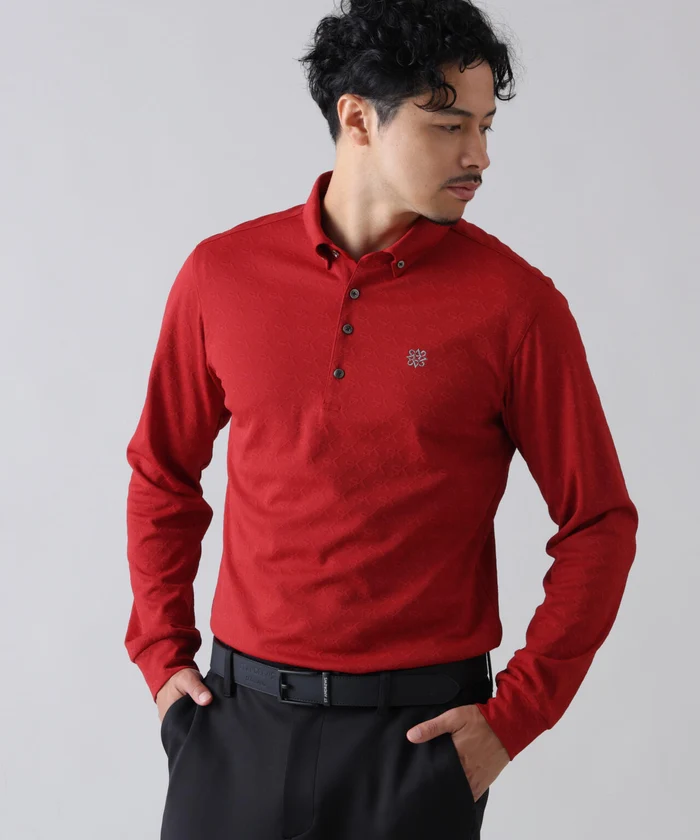
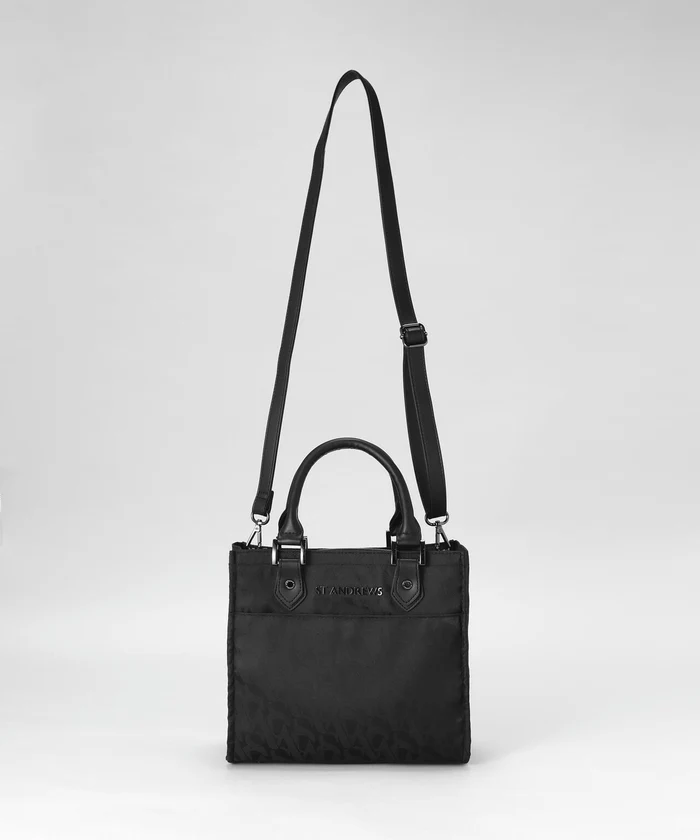
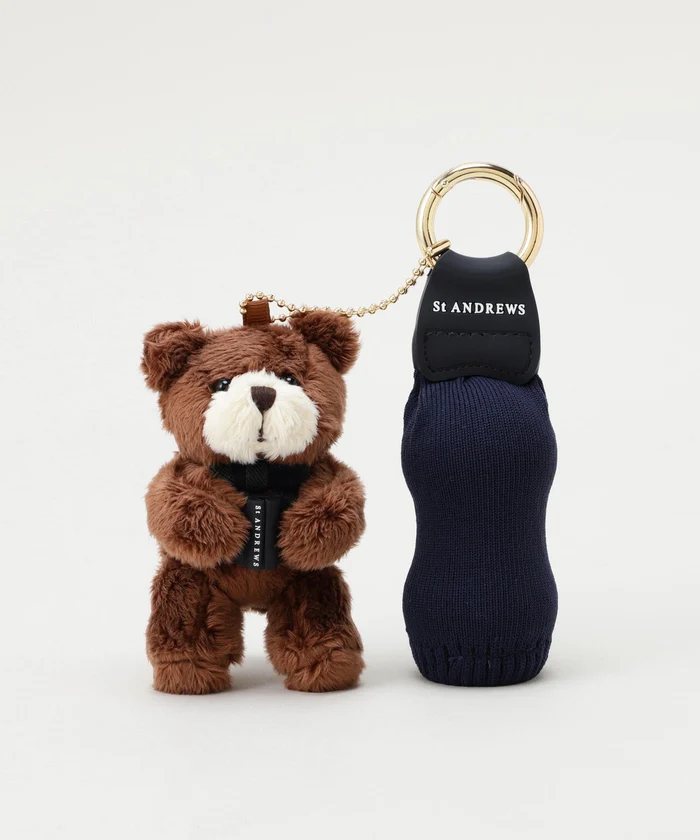
The collection includes layered knitwear, logo shirts, cart bags and small accessories. The photographs below are the original product images already hosted in this site’s media library. Use the official product links to verify the current price, sizing and stock.
Record the product code: Each product has a Japanese stock-keeping identifier. Save the code before comparing online listings or contacting a retail store; visually similar items can belong to different collections.
Try on a complete outfit: Monochrome styles differ in texture, surface sheen, logo placement and silhouette. Check shoulder movement at address and whether trousers fit comfortably around the waist and knees. With white shirts, check opacity; with darker outfits, consider fabric weight and season.
Know what you are buying: Products using the St Andrews name may have different origins and intended markets. Japanese fashion products are not necessarily the same as souvenirs sold in Scotland. Look for the official item number, label and retailer.
Plan for travel: Confirm the shop’s current location, opening hours, payment methods, availability, and return or exchange policy. If you need a specific size or color, ask about stock or ordering ahead of your visit.
Searching for “Kamui” golf clubs in Japan can lead to two distinct names: KAMUI and Kamui Works Japan. They should not be treated as interchangeable, especially when buying used clubs. This guide focuses on the Toyama-based KAMUI and explains how to identify the manufacturer, check model information and shop more confidently during a visit to Japan.
Two Names, Two Sets of Official Product Information
KAMUI presents itself as a specialist Japanese golf-club brand from Toyama, with information about product design, development and fitting on its official website. Kamui Works Japan describes origins in golf-club repair beginning in 1969 on its own site. Their current product catalogs differ. When a listing simply says “Kamui,” record the sole logo and exact model designation and compare them with the correct manufacturer’s product page.
Why Club Repair and Fitting Matter
A club’s actual specifications may differ from its original catalog specifications, especially when it has been reshafted or modified. Before buying a used club, check the loft marking, playing length, total weight, shaft model and condition of the head. If shopping remotely, request clear pictures of the sole, face, crown, hosel and shaft label. Whenever possible, inspect the actual club at address or test it rather than relying only on its specifications.
2026: Tournament Use by Shinichiro Okuda
On October 30, 2026, KAMUI announced that professional golfer Shinichiro Okuda had won the 15th PGA Teaching Pro Grand Senior Championship using KAMUI equipment. This is an example of the brand being used in competition, but it is not evidence that a particular retail model or specification matches the professional’s clubs. A fitting should establish which head and loft suit an individual golfer.
Identifying the Clubs in Product Photographs
KAMUI club head: exterior viewKAMUI club face: front view
Open the official KAMUI driver catalog and compare the sole lettering and face details with your chosen listing. Kamui Works Japan also has official photographs of its Capella products. If a secondhand seller omits a full model number, request additional photos instead of assuming the two brands are the same.
If the club will be used in competition, confirm the exact model and any relevant conformity requirements for your event. During a fitting, compare launch angle, spin, directional misses and overall consistency. Ask the retailer for a complete quotation including the shaft, assembly and lead time. Visitors with a short itinerary should confirm that collection or shipping can be arranged before departure.
Photographs to Request for a Used Club
Look for a full sole photograph, close-ups of the face and crown edges, the shaft-to-hosel connection and shaft identification. Photographs taken from different angles help reveal wear that one image may hide. Note whether the grip or shaft was changed, and record the completed club’s length, weight and shaft name. Matching the model number alone does not guarantee an identical build.
Using Tour Information to Guide Your Choice
A professional’s victory can be a useful starting point for research, but your own launch conditions and course demands should determine the purchase. Decide whether you need a higher launch, more predictable dispersion or a lower flight in the wind. Test models under comparable conditions, and cross-check any claimed professional specifications against original manufacturer information.
Contacting a Japanese Store Before Your Visit
In your message, include the manufacturer, exact model designation printed on the sole, right- or left-handed requirement and your preferred fitting or purchase date. Add your current driver’s loft and shaft if you would like a comparable alternative. A link to the correct manufacturer’s official product page can prevent confusion between KAMUI and Kamui Works Japan. Confirm overseas delivery options if collection in Japan is not possible.
When planning a golf trip to Japan with your family, finding the right apparel that bridges the gap between stylish adult fashion and functional junior sportswear can often feel like a challenge. Among the myriad of golf brands available in Japanese pro shops and department stores, Jack Bunny!! stands out as an exceptional choice for families, beginners, and seasoned golfers alike. Whether you are searching for matching parent-child outfits for a weekend round at a scenic resort course or browsing high-end Japanese golf fashion, Jack Bunny!! offers a unique blend of playful design, athletic performance, and professional-grade quality.
In this comprehensive guide, we will explore everything you need to know about purchasing Jack Bunny!! in Japan, tracing its evolution from a 2013 family-oriented concept to its current presence on the professional tour. We will also dive deep into practical shopping advice, sizing nuances for juniors, the latest seasonal collections, and how to successfully navigate domestic Japanese retail stores.
2013: The Birth of a Brand for Adults and Juniors
According to official brand concepts, Jack Bunny!! was established in 2013 with a very distinct mission: to create golf apparel that caters equally to adults and junior players. This dual focus makes it an ideal starting point for parents looking to introduce their children to the game or searching for gear that allows families to coordinate on the course.
Designing sportswear for junior golfers is fundamentally different from simply scaling down adult sizes. Junior apparel must account for the specific biomechanics of a developing swing, ensuring optimal mobility around the shoulders and upper back. Furthermore, younger players need garments that are easy to put on and take off independently during a round, especially as weather conditions shift. By combining functional athletic wear with vibrant, approachable designs, Jack Bunny!! solved a common dilemma for golfing families. When children can wear the same motifs or matching styles as their parents, the excitement of visiting a real golf course for the first time multiplies significantly.
2022: Expanding Support for Professional Tour Players
While Jack Bunny!! is widely recognized for its family-friendly image and playful aesthetics, it is also a serious athletic brand. In 2022, TSI Holdings expanded its initiatives to support contracted professional golfers wearing the brand on competitive tours. The official brand professional page showcases detailed profiles of these elite athletes, highlighting how performance-driven apparel translates from high-stakes tournament play to everyday consumer retail.
Navigating the product racks in a Japanese golf shop can occasionally reveal a diverse mix of items. Because the brand manages both dedicated junior wear and professional-grade tournament apparel, shoppers benefit from understanding the distinctions between junior SKU numbers, general consumer lines, and competition-spec garments. Examining how tour pros style their outfits provides excellent visual inspiration, helping you translate professional fashion trends into practical wear for recreational rounds.
2025: Akari Sakuma and Tour-Level Visibility
The brand’s competitive presence is personified by players like Akari Sakuma, whose tour journey is prominently featured in brand athlete profiles. Reviewing competitive milestones—such as participating in every single tournament on the JLPGA tour and achieving a personal best of 19 top-ten finishes in a single season—illustrates the rigorous demands placed on Jack Bunny!! apparel.
For international visitors and golf enthusiasts, observing professional athletes during televised broadcasts or tournament photo galleries serves as an effective way to study modern golf styling. When attempting to identify specific retail items seen on tour professionals, cross-referencing official brand lookbooks with product serial numbers ensures accuracy. Combining athletic performance data with on-course fashion reinforces the brand’s credibility far beyond its playful exterior.
The Family Series: Coordinating Parent-Child Golf Outfits
One of the most charming aspects of shopping for Jack Bunny!! in Japan is discovering their dedicated Family Series. Official collection releases regularly highlight coordinated polo shirts, graphic tees, and hoodies featuring exclusive seasonal motifs designed to appeal to both generations.
When reviewing these collections, it is important to note that standard junior sizes typically span key developmental milestones, such as 120cm and 140cm heights. Official product photography allows shoppers to inspect how pattern scaling and logo placement appear on smaller frames compared to adult cuts. If you plan on wearing these matching sets during your golf travels in Japan, remember to consider course regulations. While casual practice facilities might welcome graphic t-shirts and hoodies, traditional championship courses often enforce strict dress codes requiring collared shirts. Checking with your booked golf course in advance ensures your family wardrobe is fully compliant.
Autumn/Winter Collections: JB MINT and Doraemon Accessories
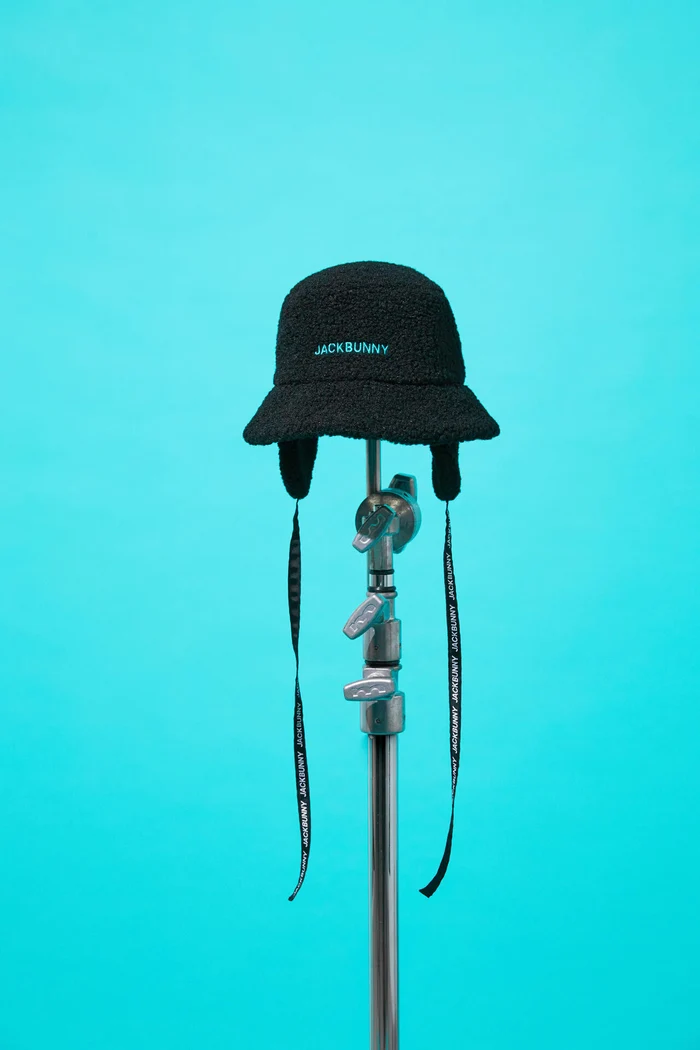
Seasonal capsule collections bring fresh energy to Japanese golf shops every year, blending high-performance thermal technology with pop-culture collaborations.
Strategic Shopping Guide: How to Select Family Outfits in Japan
When shopping for golf apparel during a trip to Japan, a systematic approach saves time and prevents sizing mistakes. For children, focus heavily on height labeling, total garment length, and sleeve measurements rather than just age estimates. For adult selections, compare prospective items against the actual flat-lay measurements of your favorite golf shirts at home.
If your goal is to dress both parent and child in matching outfits, always check the child’s inventory first. Junior sizes are produced in smaller quantities and tend to sell out much faster than adult lines. Even if you cannot secure the exact same pattern in adult sizes, you can easily achieve a coordinated look by harmonizing color palettes across different items. When visiting a flagship store in person, calling ahead to inquire about junior trial fittings or stock transfers can dramatically streamline your retail experience.
Matching Patterns vs. Harmonizing Color Palettes
Before committing to identical head-to-toe outfits for the entire family, consider the specific environments where you plan to wear them. Driving ranges and casual practice facilities offer incredible flexibility, allowing junior players to wear comfortable hoodies and athletic joggers. On the golf course, however, club regulations often necessitate traditional collared tops.
Should your child fall in love with a bold, patterned polo shirt, parents do not necessarily need to wear the exact same print to achieve a cohesive family aesthetic. Instead, adults can select solid-colored bottoms, caps, or layering pieces that mirror a secondary accent color from the child’s outfit. Reviewing official brand lookbooks helps identify which statement piece should anchor the family’s look while preserving versatility for mixing and matching on alternative days.
Beyond Height Labels: The Importance of Junior Fittings
Numerical size indicators like 120 or 140 serve as a helpful starting point, but they should never be treated as absolute guarantees of a proper fit. Parents should carefully evaluate sleeve length, shoulder freedom during a full swing, and neck comfort. Selecting oversized garments to accommodate rapid growth spurts requires caution; excessively long sleeves can interfere with grip placement, and sweeping hemlines can become cumbersome for a young player to manage independently.
Similarly, while hoodies offer wonderful warmth during chilly morning commutes to the course, bulky hoods can sometimes shift during rotation and impact follow-through. Encouraging junior players to perform practice swings during in-store fittings reveals subtle functional differences that standard sizing charts cannot convey.
Essential Preparation Checklist for Japanese Retail Stores
To make the most of your golf shopping expedition in Japan, arrive prepared with a concise checklist of your desired series, specific item names, preferred colorways, and precise size requirements. Keep in mind that not every retail location carries the brand’s complete catalog, and junior inventories vary significantly between urban department store boutiques and suburban green-grass pro shops.
If an item requires transfer from another branch, inquire about fulfillment timelines to ensure delivery aligns with your travel itinerary. Should matching apparel prove unavailable in both adult and junior sizes, consider matching through accessories such as caps, ball markers, or cart bags. Finally, before heading out for your family round, cross-reference your chosen outfits against the specific dress code guidelines provided by your destination golf course.
Introduction to JBEAM’s Evolution: From Persimmon Roots to High-Performance ZY Series
Understanding JBEAM drivers requires looking deeply at how a company rooted in traditional wooden persimmon craftsmanship has evolved to collaborate with modern long-drive champions and engineer cutting-edge custom components. By tracing this remarkable manufacturing history, golfers and custom club builders can better appreciate the intricate design choices that make the ZY series a staple in Japanese custom golf workshops.
In modern golf equipment fitting, premium component brands hold a distinct position compared to mass-market Original Equipment Manufacturers (OEMs). While major global brands typically offer complete stock configurations designed around standardized profiles, boutique component makers like JBEAM empower golfers to tailor every physical characteristic of their club. From precise head weight adjustments and face angle optimization to hand-selected exotic shaft pairings, the custom assembly process transforms a driver from a generic off-the-rack purchase into a personalized instrument built specifically for an individual’s swing dynamics.
The journey of JBEAM is characterized by an uncompromising dedication to material science, aerodynamic efficiency, and structural integrity. As we explore the evolution of their design philosophy from wooden blocks to advanced multi-material composites, we uncover why discerning players and master clubfitters continually turn to JBEAM when pursuing maximum distance, reliable dispersion, and exceptional feel. This comprehensive guide examines the milestones, technological breakthroughs, product lineups, and practical fitting considerations that define JBEAM’s ongoing pursuit of golfing excellence.
1982|The Genesis of Wood Craftsmanship in Persimmon Heads
According to the official corporate profile of JBEAM’s parent entity, JGI Inc., the company was established in 1982 (Showa 57) specifically through the art and precision of crafting persimmon wood golf heads. In the era preceding modern titanium alloys and composite carbon crowns, building a high-performance wood required exceptional woodworking skill, artistic intuition, and meticulous hand-shaping.
Crafting persimmon heads was far more than simply carving wood into an aerodynamic shape. Master craftsmen had to meticulously manage grain orientation, wood density, moisture content, and weight distribution. Every single head was carefully shaped by hand to achieve specific face angles, visual alignments, and target weights. Craftsmen sculpted the crown and sole profiles to ensure that when a player grounded the club behind the ball, the target line perception inspired absolute confidence.
Although contemporary materials have shifted dramatically toward titanium, tungsten, and carbon fiber composites, the fundamental philosophy established during the persimmon era remains alive within JBEAM’s modern workshop. The visual appearance of the head at address, the precise contouring of the top line, and the subtle curvature of the face are design elements that cannot be fully conveyed through digital catalog specifications alone. The aesthetic heritage of traditional woodwork influences how modern JBEAM drivers sit square behind the ball, offering a seamless blend of classic visual appeal and modern metallurgical engineering.
Transitioning to a Component Brand|Evaluating Individual Head Models
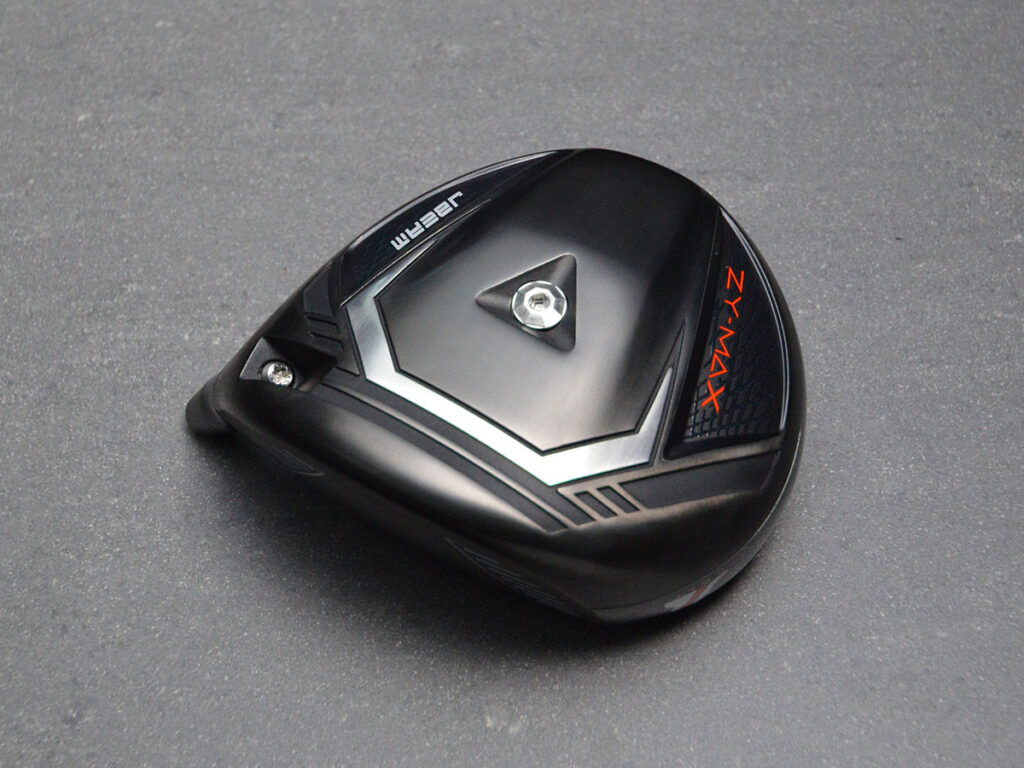
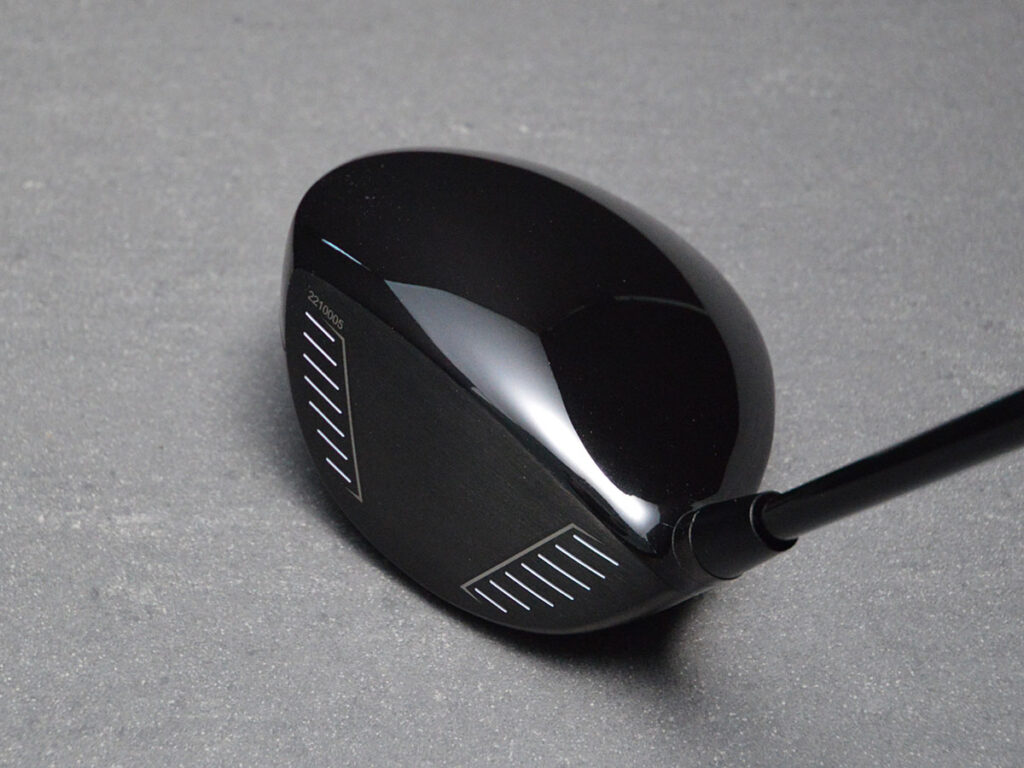
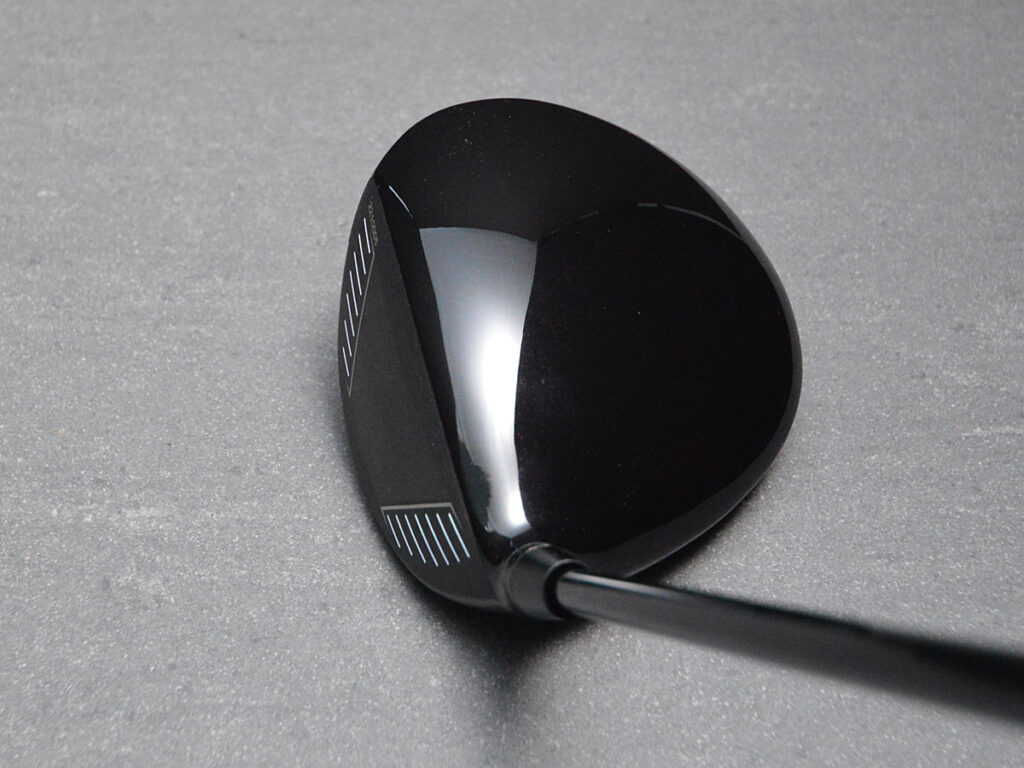
In the contemporary golf equipment market, JBEAM’s official driver lineup features high-performance models such as the ZY-MAX, allowing players and fitters to analyze each product based on its unique engineering merits. When purchasing complete standard clubs from major commercial manufacturers, golfers are usually restricted to factory stock shaft options that cater to a broad statistical average. In contrast, working with a specialized component studio gives players the freedom to establish loft angles, shaft weight classifications, and finished club lengths before hitting a single ball.
When evaluating different head models during a custom fitting session, it is easy to become distracted by anomalous data points. However, professional fitters emphasize prioritizing consistency over isolated career-best shots. During the first few swings with a new JBEAM head, data analysts look beyond maximum distance metrics to examine launch angles, spin rates, and left-to-right dispersion patterns under normal swinging conditions. A true custom fitting must account for real-world course conditions, ensuring that distance gains do not come at the expense of fairway-finding reliability.
🔧
Precision Lofts
Fine-tuning loft specifications ensures optimal launch windows and carry distance for every swing speed.
⚖️
Weight Distribution
Strategic internal weighting optimizes center of gravity location for maximum energy transfer and forgiveness.
🎯
Dispersion Control
Minimizing side-to-side dispersion ensures tighter grouping on mishits during high-pressure course play.
Yasuhiro Yamazaki and the ZY-BLACK FW Shaft
According to official product documentation, the ZY-BLACK FW Shaft was developed through a rigorous joint research and development partnership with professional long-drive champion Yasuhiro Yamazaki. This collaboration integrates direct performance feedback from the absolute highest levels of professional distance competition into a fairway wood shaft designed for discerning golfers seeking exceptional stability.
Analyzing product lineage requires a clear distinction between components. While the ZY-BLACK FW shaft represents a direct collaborative development with Pro Yamazaki, consumers should understand specific product associations accurately without making broad assumptions about unrelated components. For instance, while elite athletes test and utilize various JBEAM clubheads in competitive environments, verifying which exact components were co-engineered versus which were selected for tournament play provides a transparent view of product development.
When golfers examine how professional insights shape equipment design, they gain a deeper appreciation for structural engineering. The high-stress forces generated during a competitive long-drive swing test graphite layup designs to their absolute limits. Lessons learned from managing extreme torsional rigidity and rapid load recovery in the ZY-BLACK series directly benefit everyday golfers by delivering tighter shot dispersion and more predictable energy transfer.
Visualizing the JBEAM ZY-MAX|Detailed Photography and Fitting Insights
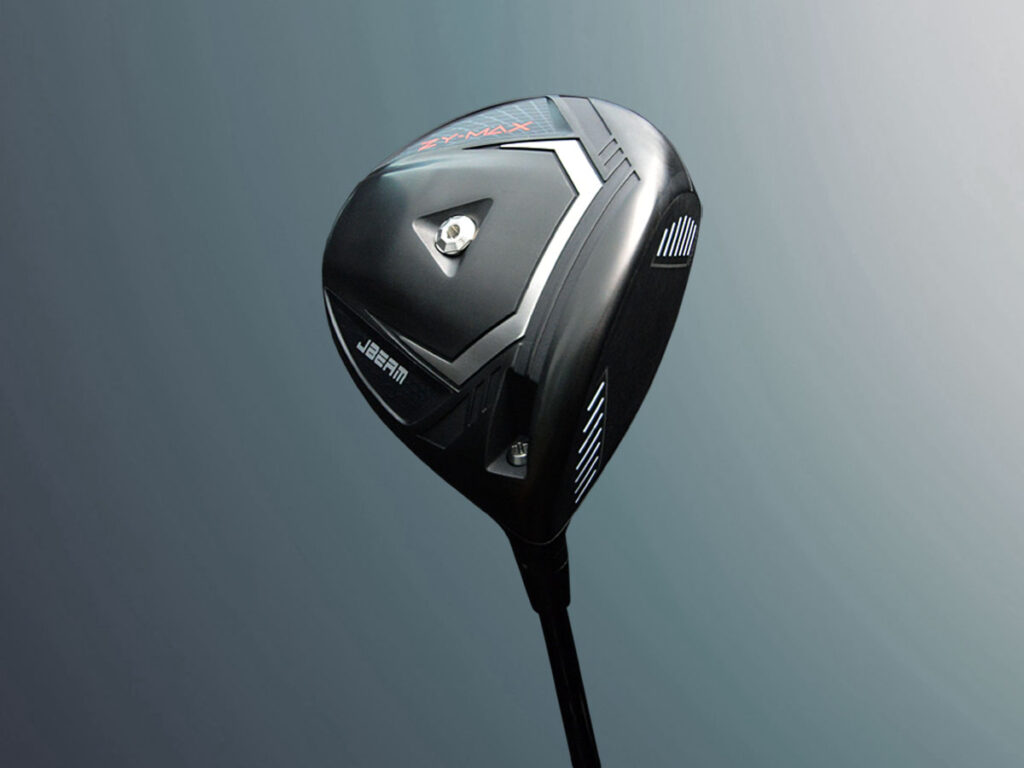
Examining the official product specifications and high-resolution imagery of the JBEAM ZY-MAX provides immediate insight into its aerodynamic shaping, sole geometry, and address profile. During indoor simulator sessions or outdoor range testing, players evaluating a longer custom-built driver should carefully monitor changes in clubhead speed alongside impact location consistency across the clubface.
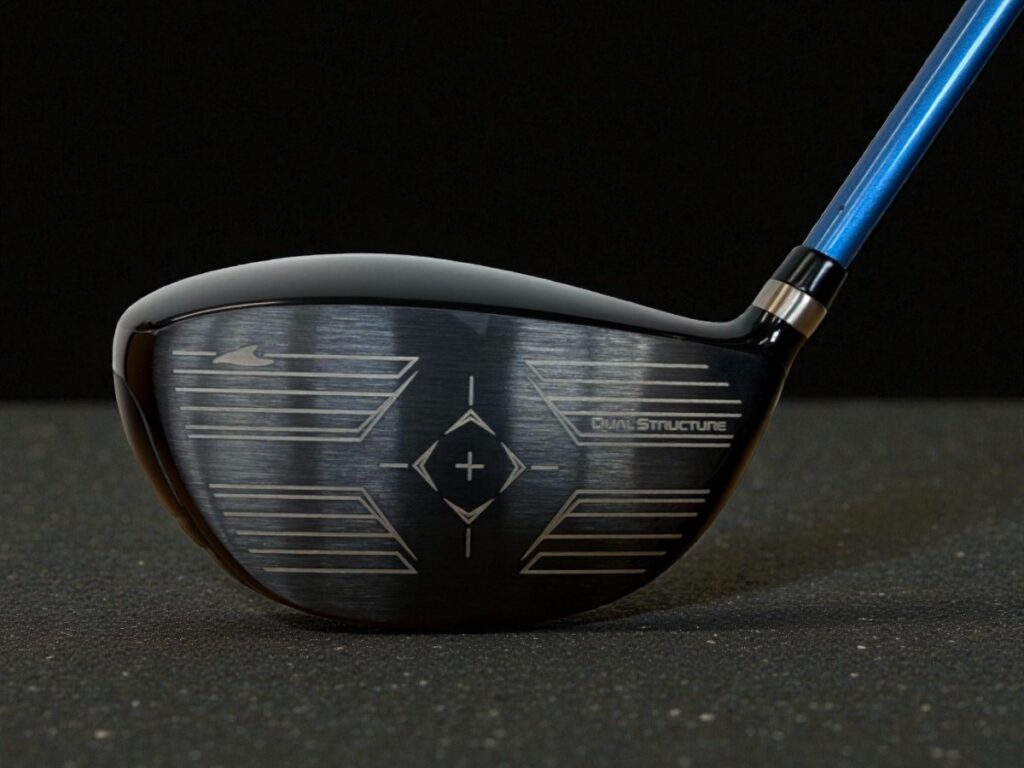
JBEAM ZY-MAX | Head OverviewJBEAM ZY-MAX | Sole SideJBEAM ZY-MAX | Face SideJBEAM ZY-MAX | Address Direction
While achieving a higher peak distance measurement is exhilarating, practical on-course effectiveness depends heavily on dispersion control. If an increase in total distance results in a significantly wider landing dispersion, the tactical advantage during a tournament round diminishes rapidly. Players must evaluate their tee shots realistically, factoring in mishits and off-center strikes to determine whether a club configuration provides reliable scoring performance.
2004–2025 Milestones|JL BLACK and ZY-SPEED Innovations
Recent product announcements from JBEAM highlight continuous metallurgical and structural innovation. In December 2024, the company introduced the JL BLACK model, followed by the release of the ZY-SPEED in December 2025. The JL BLACK engineering philosophy centers on advanced face material properties paired with a lightweight carbon crown to optimize mass distribution. Meanwhile, the ZY-SPEED is specifically engineered to generate high-launch trajectory conditions even when paired with lower loft configurations.
Comparing these generational releases side by side reveals how material science continues to expand fitting parameters. By utilizing high-strength face alloys, engineers can reduce face thickness while maintaining structural durability, producing higher trampoline effect (COR) across an expanded hitting area. Simultaneously, carbon composite crowns redistribute discretionary weight low and deep into the chassis, increasing MOI and launch efficiency without sacrificing spin control.
Model Release
Core Engineering Focus
Primary Performance Benefit
ZY-MAX
Aerodynamic head shaping & energy transfer
Balanced ball speed and tight dispersion
JL BLACK (Dec 2024)
Advanced face materials & carbon crown
Optimized mass distribution & expanded sweet spot
ZY-SPEED (Dec 2025)
Low-loft trajectory optimization
High launch and penetrating carry for aggressive swingers
Essential Preparation Before Consulting a Custom Workshop
Visiting a professional custom clubfitting workshop to test JBEAM equipment is an exciting experience, but arriving prepared ensures you extract maximum value from the session. Golfers should compile a clear record of their current equipment specifications, including exact loft measurements, current shaft models, club lengths, and known swing tendencies or miss patterns.
If precise technical numbers are unavailable, simply bringing your current driver to the fitting studio allows the builder to measure and compare specifications directly. When discussing potential builds with a master clubmaker, always request a comprehensive cost breakdown covering head pricing, shaft selection, specialized grip installation, assembly labor, and post-assembly adjustment options such as hot-melt weight tuning or lie angle bending.
💡 Fitting Tip: For international golfers or visitors taking a short trip to Japan, it is highly recommended to contact fitting studios in advance to verify test club availability, booking schedules, and language support for custom specifications.
Bridging Eras: Wooden Heritage Versus Data-Driven Modern Engineering
Examining JBEAM’s evolution from handcrafted persimmon woods to advanced titanium configurations highlights a fascinating continuity in club design: the supreme importance of visual alignment and address confidence. While modern launch monitors provide precise numerical data on clubhead speed, smash factor, launch angle, and spin rate, the psychological comfort of setting a club square behind the ball remains paramount.
Even the most technologically advanced driver will underperform if the player feels uncomfortable looking down at the address position. Subtle variations in face angle progression, crown curvature, and hosel transition influence how a golfer squares the face at impact. Taking a moment during a fitting session to write down subjective impressions of how a head sits at address—and pairing those notes with launch monitor metrics—provides invaluable insight into whether a club will inspire confidence under tournament pressure.
Long-Drive Demands Versus Course Management Realities
The specialized world of long-drive competitions offers brilliant insights into extreme distance generation, but transitioning those techniques to everyday course management requires careful strategic adaptation. Long-drive competitors optimize their equipment to maximize ball speed and carry distance on a grid, whereas a golf course demands precise control over shaping, trajectory, and landing areas.
When testing clubs in a retail simulator or outdoor fitting bay, maintaining your natural tempo is critical. Forcing extra effort into every swing to chase an artificial distance peak distorts performance data, making it difficult to separate the inherent capabilities of a new shaft or head from erratic swing mechanics. Alternating between your current gamer driver and potential JBEAM test configurations shot-for-shot allows for an objective, accurate comparison of performance gains.
Evaluating Fairway Wood Shafts Based on On-Course Application
When exploring components like the ZY-BLACK FW Shaft, golfers must analyze how they actually deploy fairway woods during a round. Do you primarily use your 3-wood or 5-wood off the tee on tight driving holes, or do you rely on them to reach par-5 greens in two shots from tight turf lies?
When fairway woods are primarily hit from the turf, maintaining a consistent launch window and predictable descent angle is just as critical as maximizing absolute distance. For players building a complete set including 3-woods and 5-woods, documenting gapping distances between the driver, fairway woods, and utility clubs ensures seamless distance progression. Recording exact head models, shaft flex profiles, and club specifications makes future re-orders or adjustments straightforward.
Summary and Next Steps for Exploring JBEAM
JBEAM’s corporate evolution from crafting traditional persimmon wood heads in 1982 to engineering modern high-performance components like the ZY series demonstrates a steadfast dedication to craftsmanship, material innovation, and player-centric design. Whether you are exploring the aerodynamic refinement of the ZY-MAX, examining the material advancements of the JL BLACK, or pairing your clubs with championship-proven shafts like the ZY-BLACK FW, understanding the engineering philosophy behind your equipment unlocks superior performance on the course.
To begin your journey toward a custom-built JBEAM setup, review the official product resources and schedule a session with an experienced custom clubfitter who can analyze your unique swing dynamics and build a club tailored precisely to your game.
Ready to Experience JBEAM Performance?
Explore the official driver lineups, technical archives, and manufacturer resources to plan your custom build.
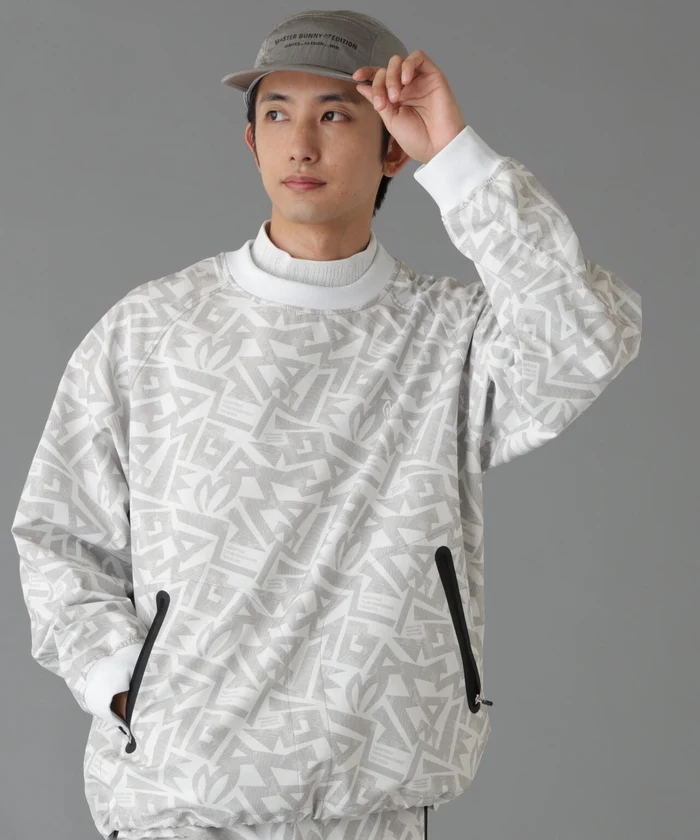
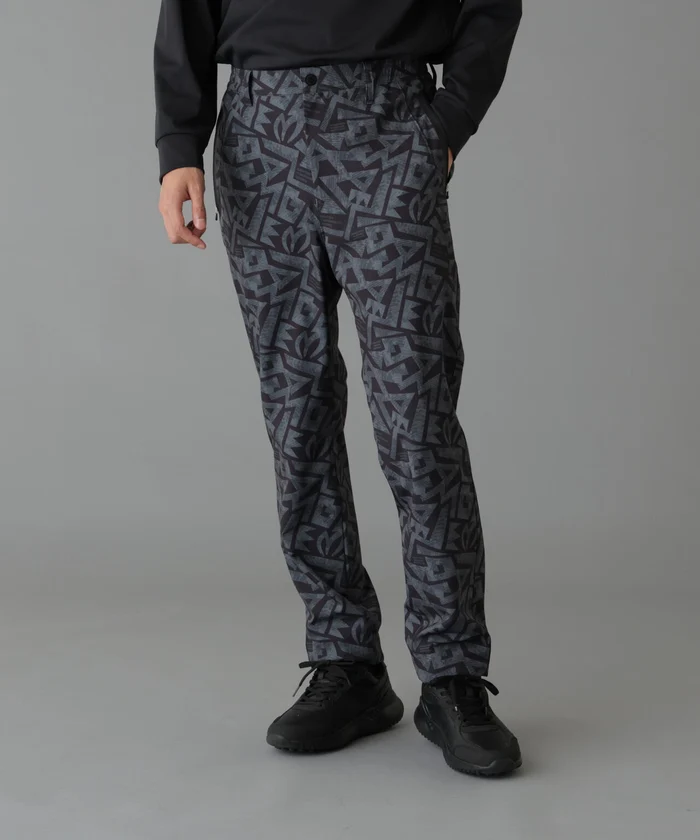
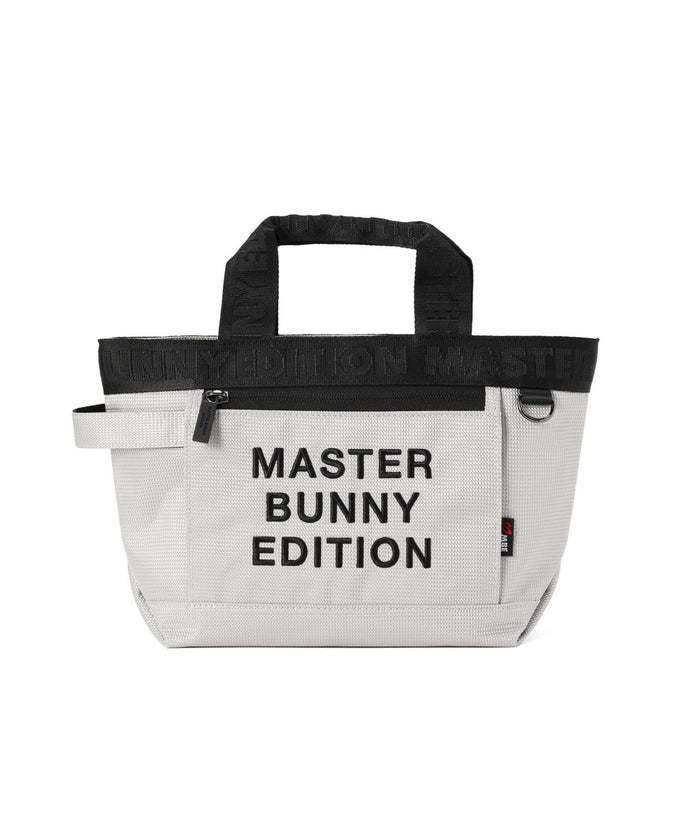
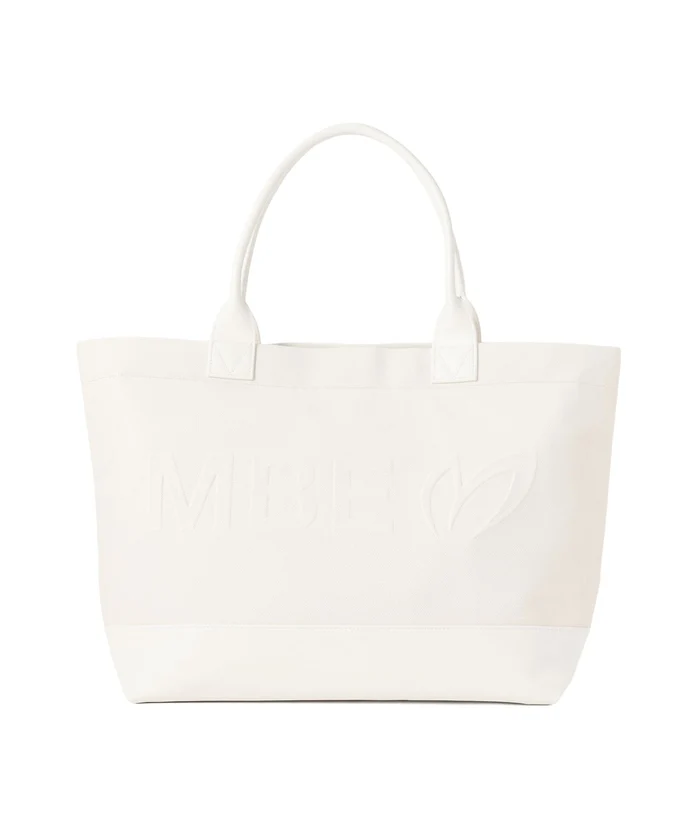
Founded in spring 2010, MASTER BUNNY EDITION is a Japanese golf apparel brand rooted in tour-oriented clothing. Today, its collections also explore seasonal colors, fabrics and styling. This guide traces the brand’s origins, its connection with professional golfer Hiroyuki Fujita, and the details worth checking when shopping for MASTER BUNNY EDITION in Japan.
Spring 2010: A brand built for competitive golf
According to official information from TSI, MASTER BUNNY EDITION was established in spring 2010 to serve golfers who want to concentrate on performance. To judge golf apparel, look beyond the fabric label: bend into address, rotate through a swing and crouch to read a putt. The areas that pull or restrict movement matter more than appearance on a hanger.
Hiroyuki Fujita: A documented professional connection
The brand lists Japanese professional golfer Hiroyuki Fujita among its advisory staff. This is a verifiable relationship with tournament golf. However, seeing a brand logo on a player does not prove that a particular retail item is identical to the garment worn in competition. Only officially identified products should be presented as a player’s exact equipment or apparel.
2026: The VINTAGE CASUAL collection
In autumn 2026, TSI announced VINTAGE CASUAL, offering another styling direction alongside the label’s performance-oriented heritage. When assessing a collection online, examine both close-up fabric images and photographs showing the full outfit. Color, texture and silhouette can look different when pieces are combined. Confirm actual availability separately from the launch announcement.
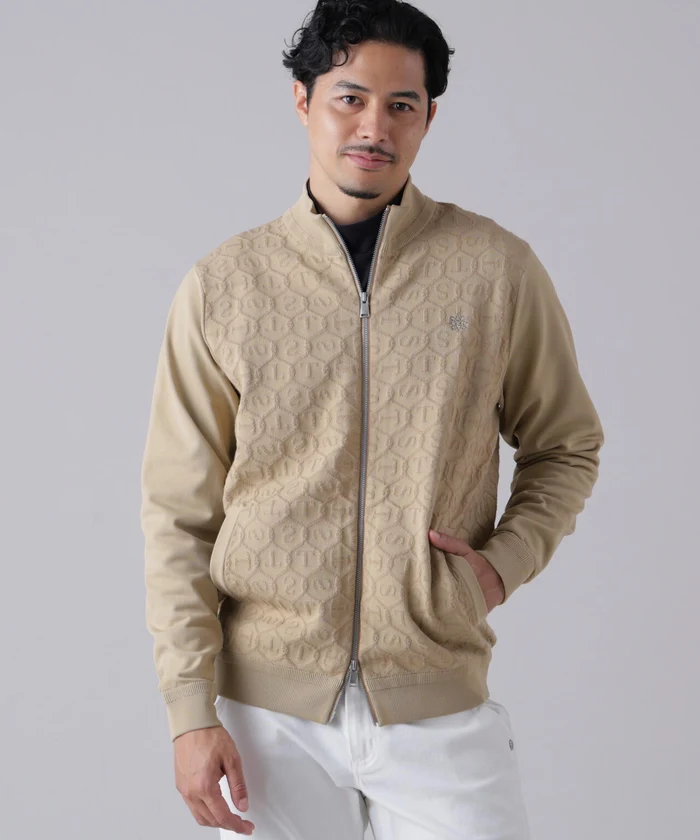
The following four products are shown with images already held in this site’s media library and links to their official listings. Use the product numbers when comparing colors, sizing and stock. For current prices, materials and care instructions, refer to the individual official pages, as details and promotions may change.
When comparing the brands, select products from the same season and intended use rather than judging performance by the label alone. For jackets, compare measurements, sleeve mobility, fabric composition and how the garment sits over a base layer. For trousers, check waist fit, movement at the knees, pocket placement and how the hem fits over golf shoes. Compare list prices with list prices, and sale prices with sale prices, using the same date.
How to shop in Japan
Start by choosing the model number, size and preferred color online. Before visiting a store, ask whether it stocks the exact collection and size. During a fitting, take a golf stance and rotate your shoulders to check freedom of movement. International visitors should confirm payment options, tax-free eligibility, language assistance and shipping services directly with each retailer; these cannot be assumed at every location.
Choosing an outfit for the course and beyond
If you are buying for an autumn round, think about layering and the temperature changes between the first and final holes. If you want to wear a set beyond the course, compare its proportions and colors with clothes you already own. A matching top and bottom can create a coordinated look, while individual pieces may be easier to combine. Review the washing instructions before purchasing.
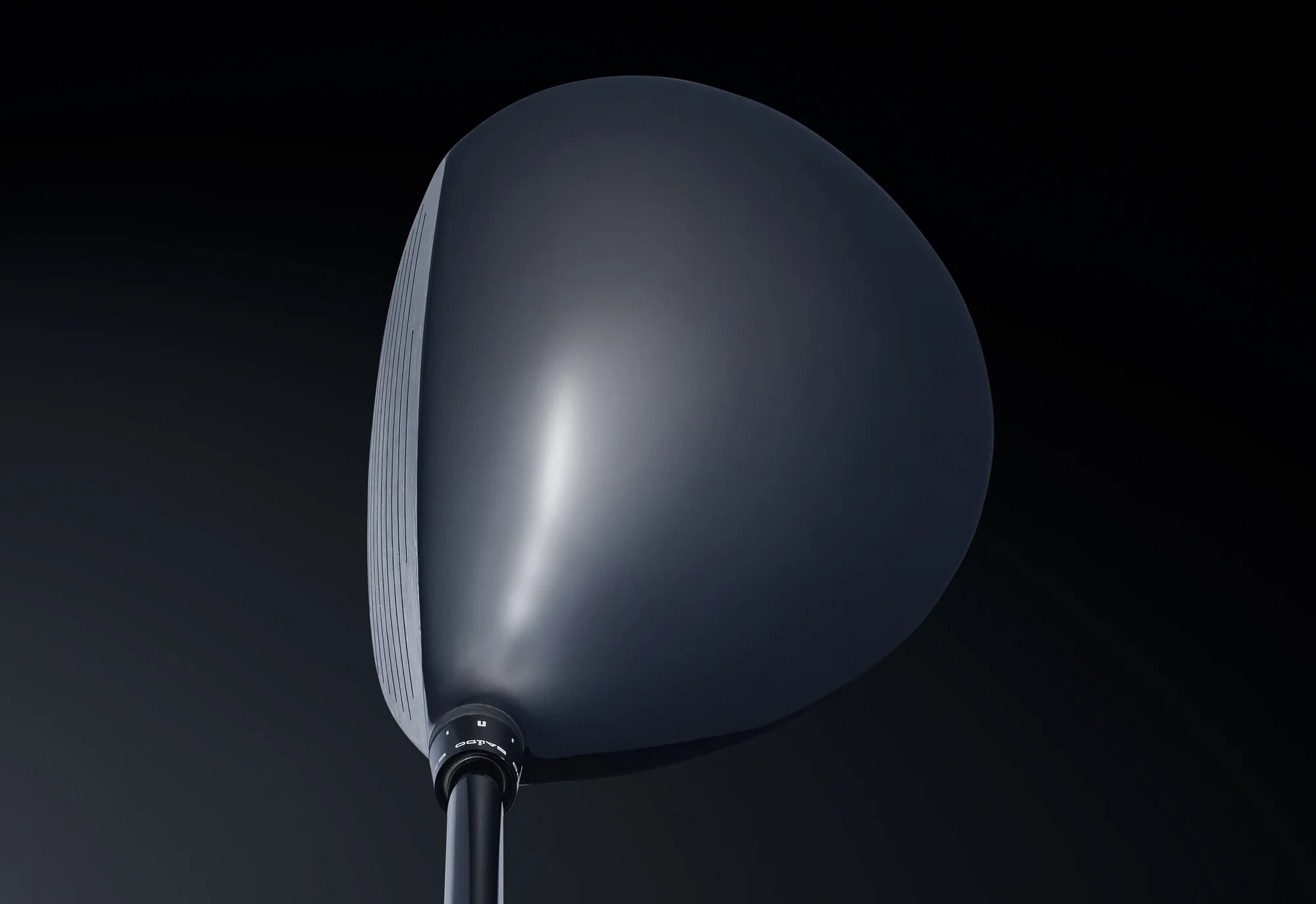
BALDO TT GT5 DEEP PROTO|ヘッドのソールBALDO TT GT5 DEEP PROTO|フェース正面BALDO TT GT5 DEEP PROTO|ヘッド側面
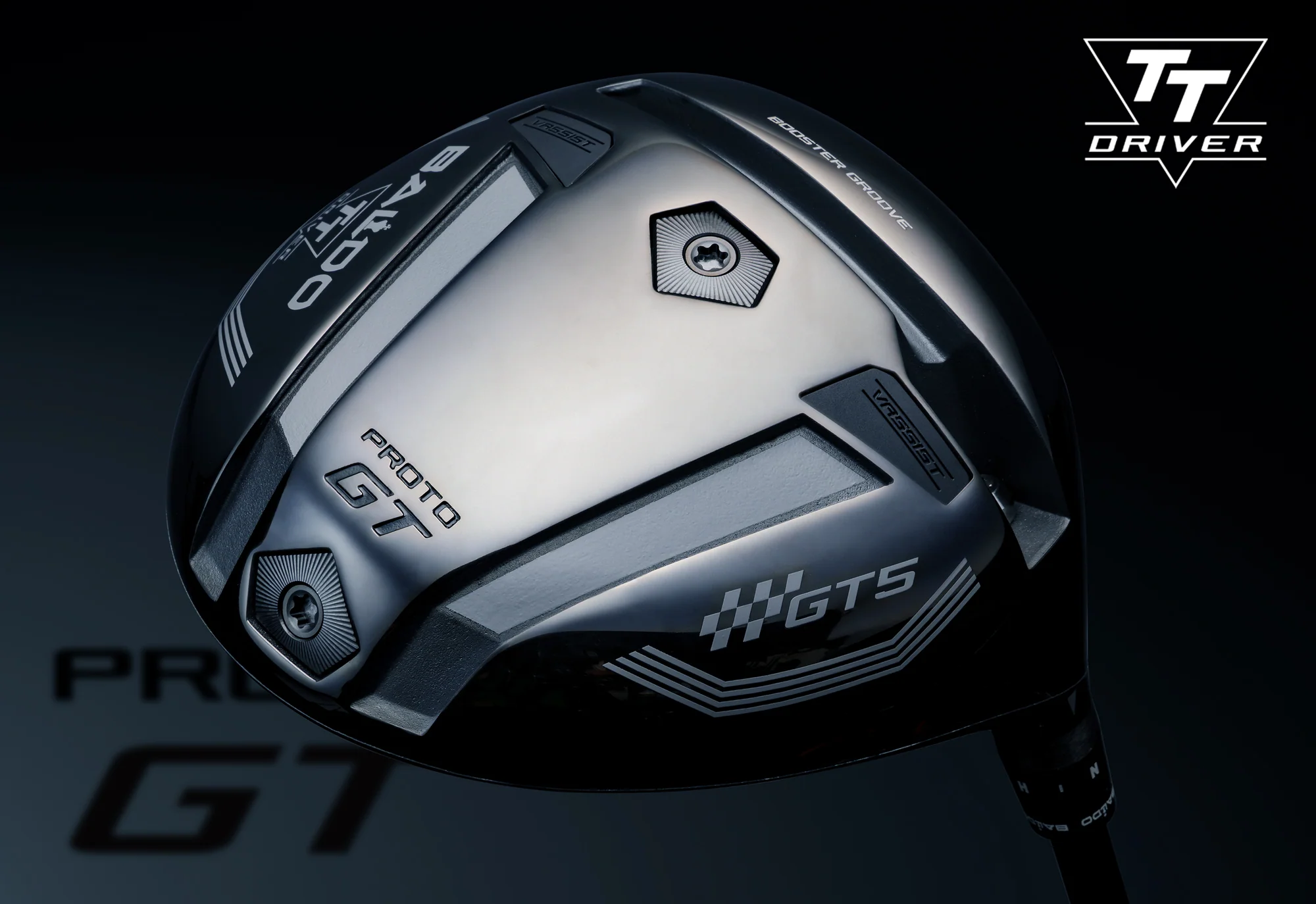
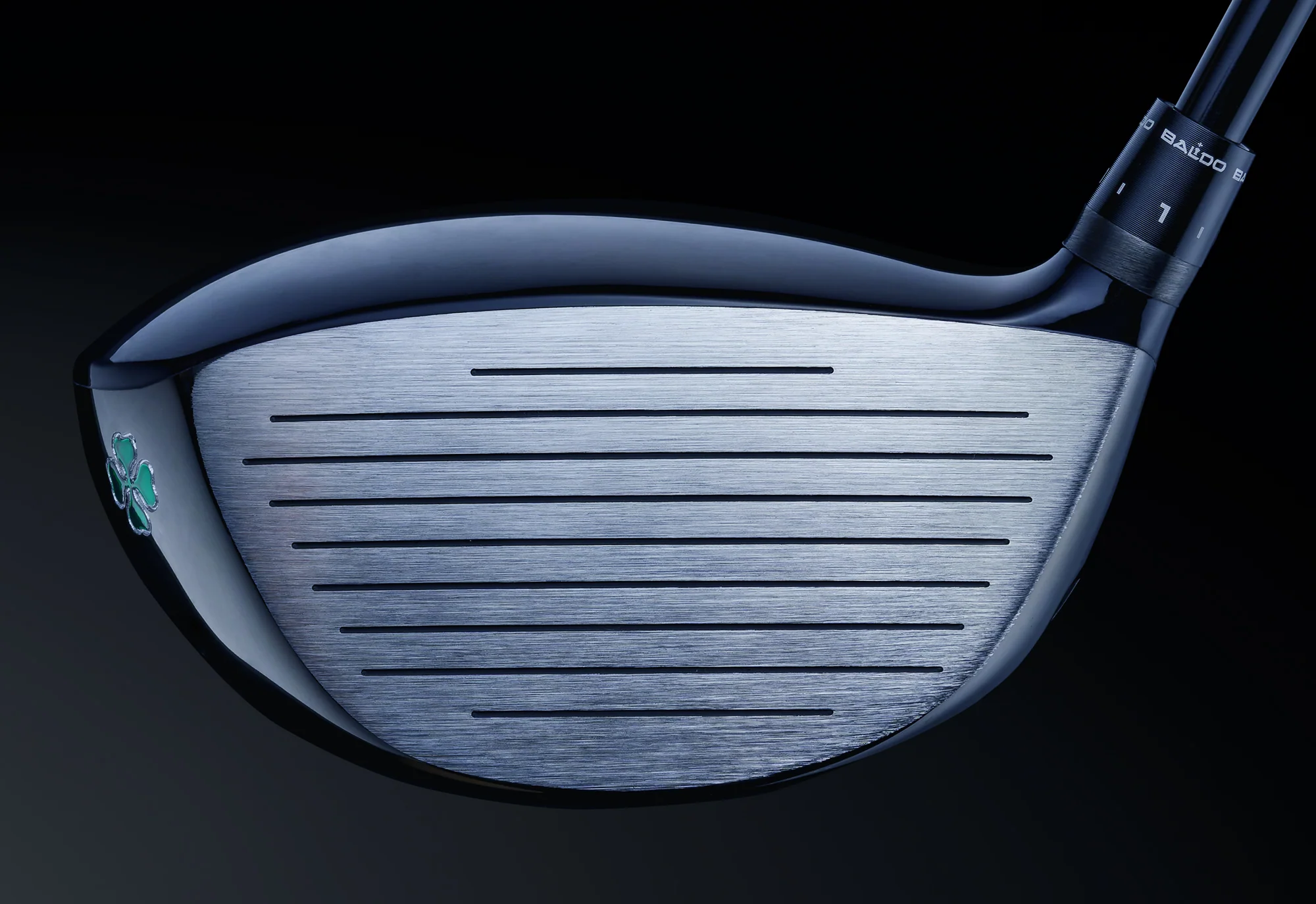
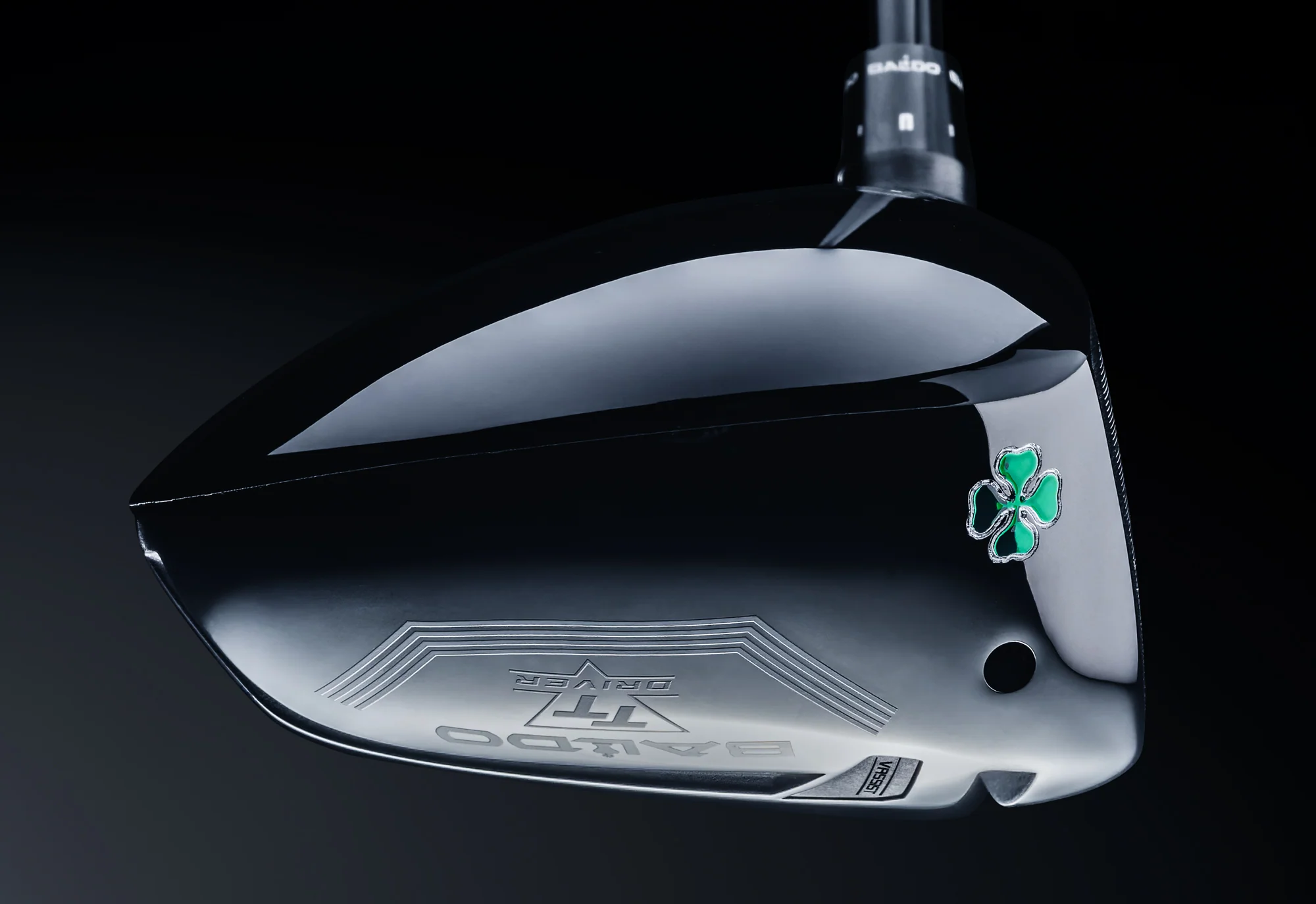
公式ショップにはCOMPETIZIONE 568のSHALLOWと、TT DRIVER GT5 DEEP PROTOが掲載されている。GT5の商品ページには9度から11度まで0.5度刻みの選択肢があり、表示価格は88,000円から。右用・左用と在庫は購入時に確認したい。写真で形を比べるなら、クラウンの投影面積だけでなく、フェース側の高さとボールを置いたときの見え方も見てほしい。価格を読む際は、選択した仕様で何が含まれるかを確認する。
BALDO TT GT5 DEEP PROTO|クラウン
2026年|谷昭範プロがUNUSの公式映像に登場
メーカー公式サイトは、2026年に案内したUNUSシリーズのプロモーション映像と谷昭範プロのインタビューを掲載している。プロとブランドの関わりを確認できる一方、この記事で比較したGT5 DEEP PROTOを試合で使ったという資料は見つからなかった。映像で取り上げられたシリーズと、自分が工房で選ぶモデルの型番を分けて確認したい。