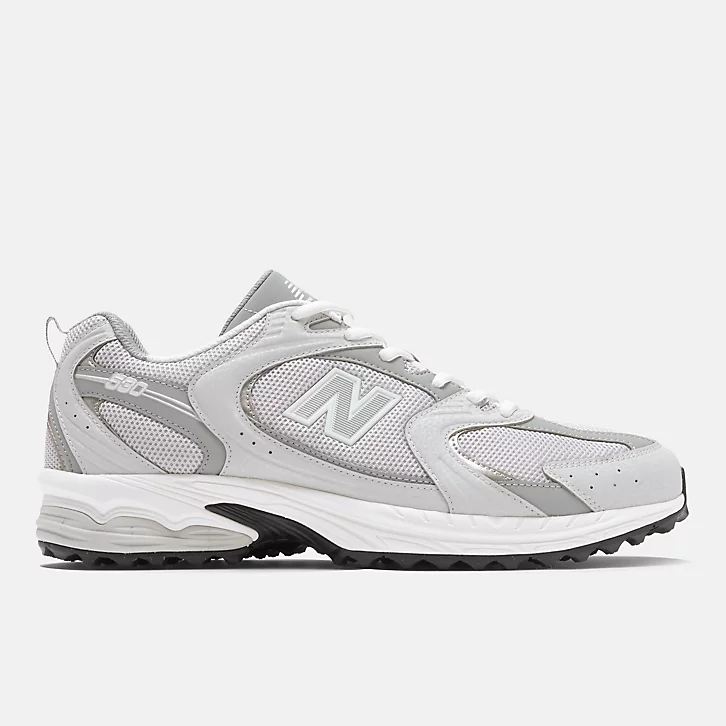
EPON is a Japanese premium golf-club brand rooted in the metalworking culture of Tsubame, Niigata Prefecture. For golfers visiting Japan, its appeal is not just the forged head: it is the opportunity to work with a specialist club builder and select the components that suit their game. This guide explains the connection with Endo Manufacturing, the AF-507 iron and what to ask before ordering.
From Endo Manufacturing to EPON
EPON’s official company history traces the brand to 1977. A Japan Finance Corporation case study describes Endo Manufacturing’s golf business as including both OEM production for other brands and its own EPON line. These are distinct activities: manufacturing a head for another label does not make that club an EPON retail model. When comparing products, look at the specifications of the actual EPON head you can buy rather than assuming that every Endo-produced club has the same construction or performance.
Why Japanese club builders matter
In Japan, independent club-building workshops often help customers select a head, shaft, grip and final playing specifications. Ask whether a shop has an AF-507 demonstration head and whether different shaft weights and flexes are available. The finished club may depend as much on length, lie angle and shaft choice as on the head alone. This is one reason a visit to a specialist shop can be more useful than choosing from photographs.
EPON AF-507: a 2024 iron to examine closely
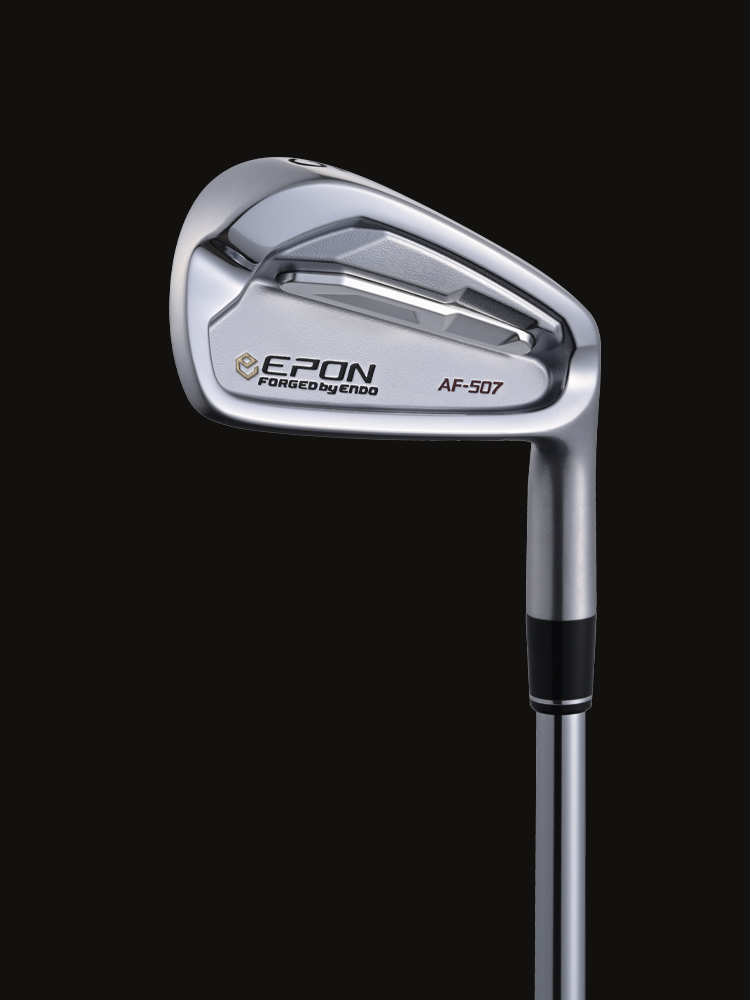
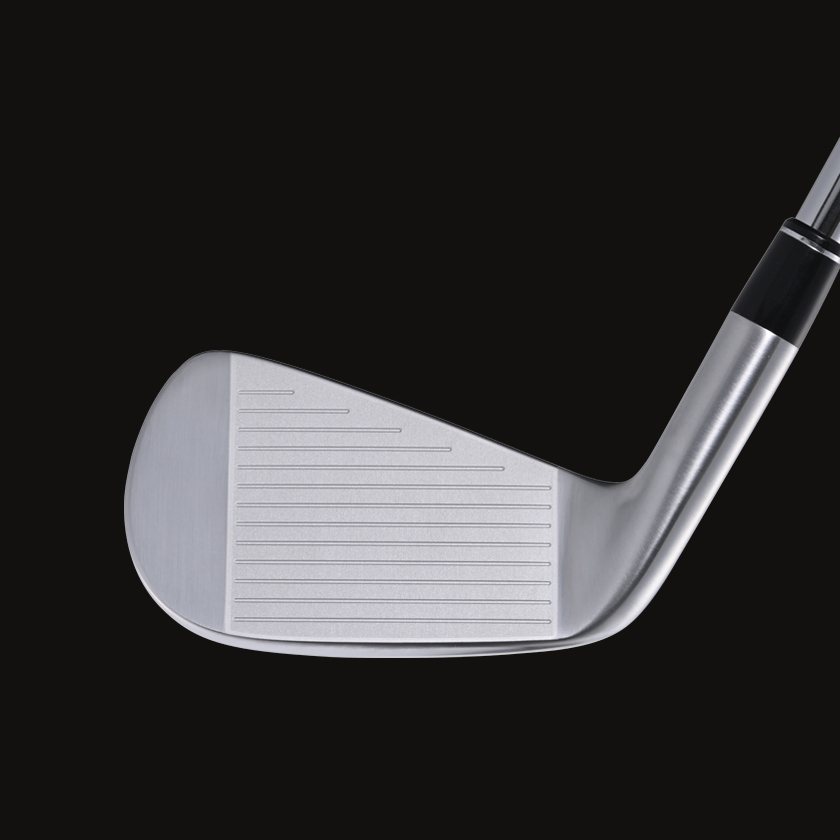
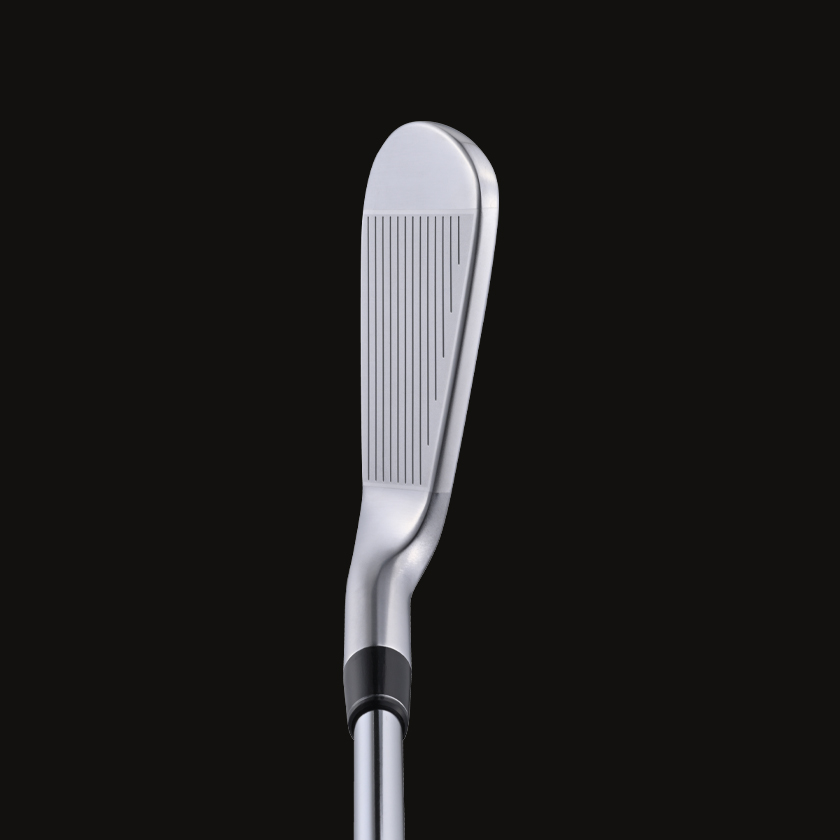
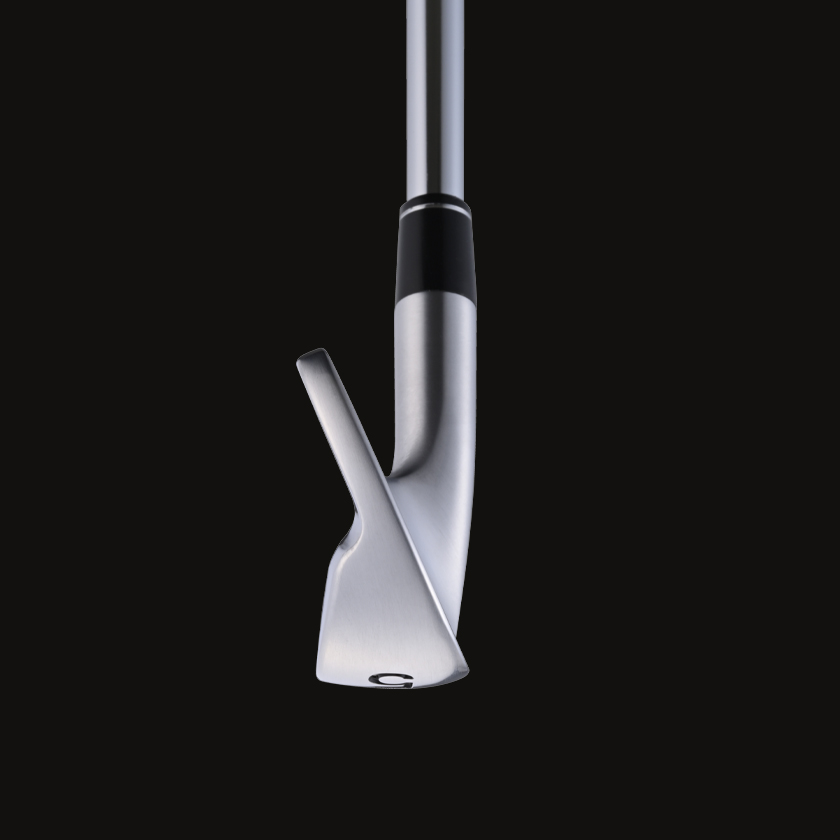
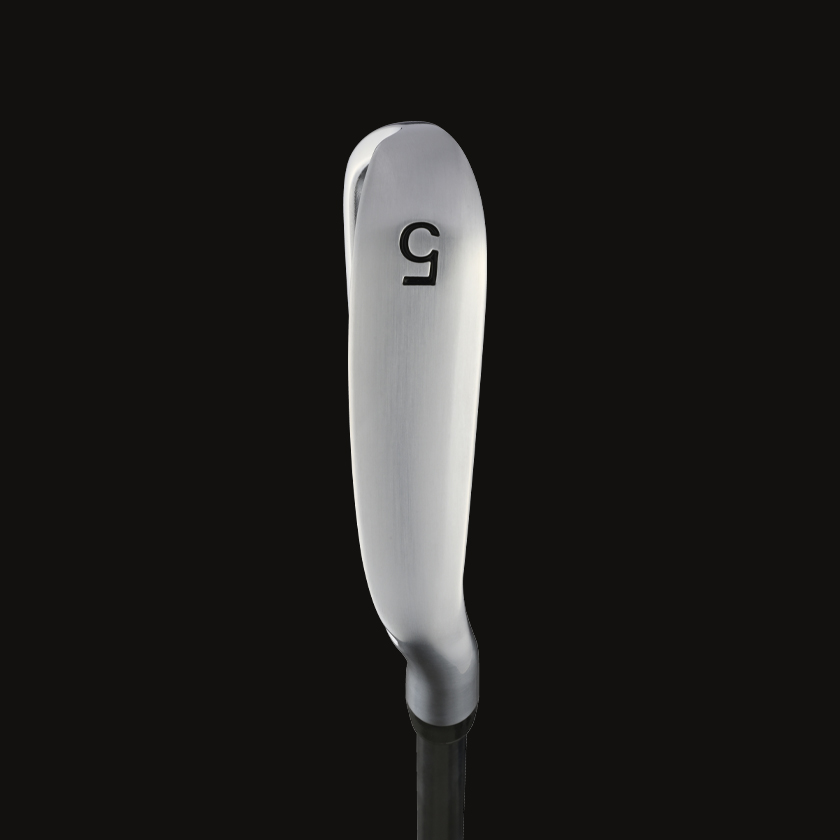
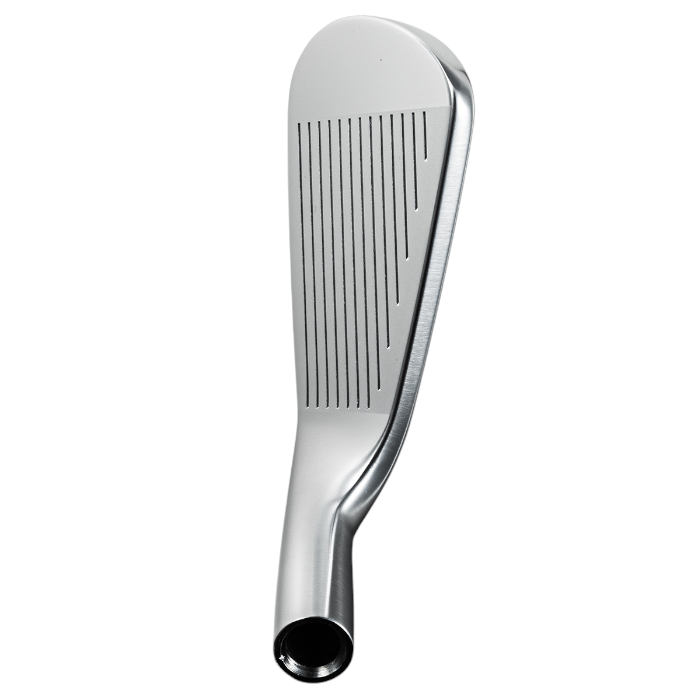
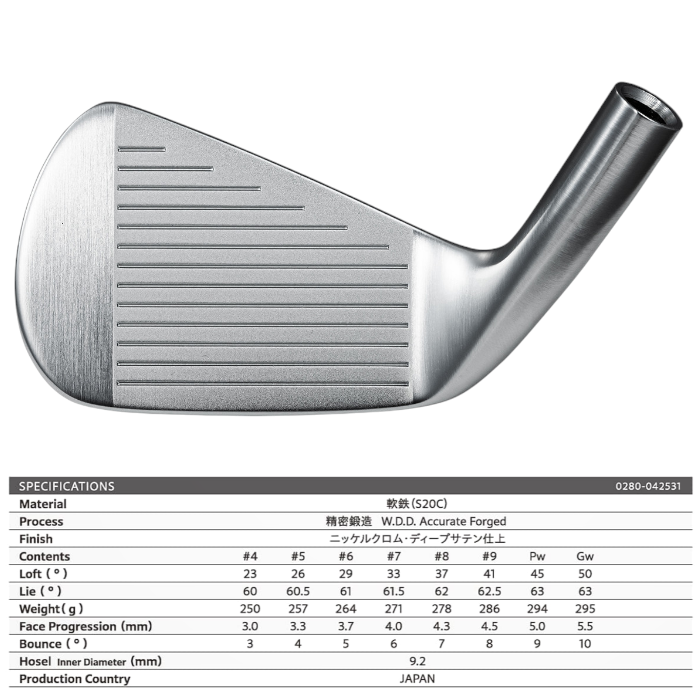
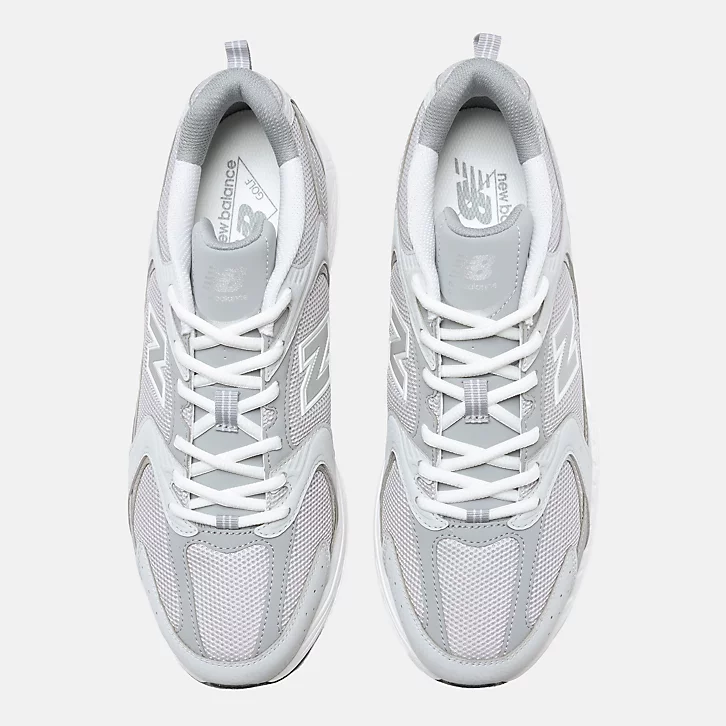
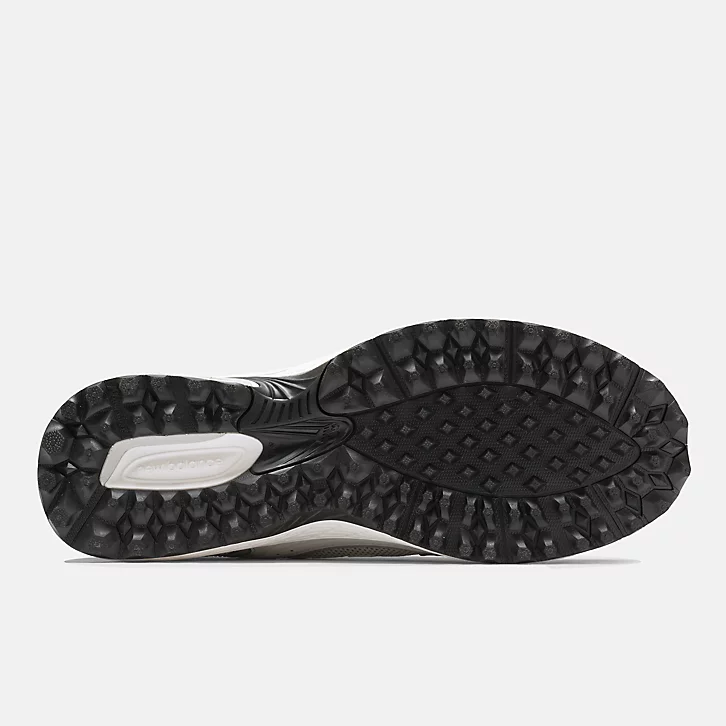
EPON announced the AF-507 for release on April 20, 2024. The photographs below show the head from different angles. Examine the topline at address, the sole from heel to toe, and the shape of the face. For a meaningful comparison, test the AF-507 against your current seven-iron and record carry distance, launch, dispersion and how much distance is lost on off-center strikes.
EPON AF-507 main product photograph — Image: EPON GOLFEPON AF-507 face — Image: EPON GOLFEPON AF-507 at address — Image: EPON GOLFEPON AF-507 toe view — Image: EPON GOLFEPON AF-507 sole — Image: EPON GOLF
What tour usage can—and cannot—tell you
The sources reviewed for this article do not establish a named professional’s use of the retail AF-507 with a dated, club-by-club specification. Endo’s OEM manufacturing history should not be confused with a professional endorsement of this particular model. A practical alternative is to compare your own launch-monitor numbers using the same ball and similar shaft conditions.
How to plan an EPON fitting in Japan
Contact an authorized EPON retailer or club-building workshop before travelling. Ask specifically whether the AF-507 is available to test, whether your handedness and preferred shafts are supported, and how long assembly and any lie-angle adjustments will take. The complete quotation should include the number of heads, shafts, grips, assembly, adjustments and any fitting fee. Do not assume that a finished custom set can be collected during a short holiday.
Test more than one iron
A seven-iron can make an excellent starting point, but it does not describe an entire set. If possible, test a five- or six-iron to check launch and carry, then an eight- or nine-iron to examine distance gaps toward the wedges. A player switching from stronger-lofted irons should compare carry distances across the set rather than comparing the number stamped on the sole. Ask the fitter to record your results so you can refer to them when ordering additional clubs.
What to check in the workshop
Head: model name, available iron numbers, handedness and official loft and lie specifications.
Shaft: brand, model, weight, flex and finished playing length.
Grip: model, size and any additional build-up tape.
Performance: carry distance, launch, dispersion and performance on less-than-perfect contact.
Order: total price in Japanese yen, assembly lead time, adjustments, payment and collection or shipping arrangements.
A note on EPON’s 45th anniversary
EPON’s 45th-anniversary products were reported in 2022. Anniversary editions and regular-production irons should be evaluated separately. If you are shopping for a collectible or pre-owned model, confirm its precise model designation, markings and condition rather than relying only on the EPON name.
Understanding the craft behind the head
Tsubame’s manufacturing heritage is part of the story, but a famous factory does not automatically make one iron right for every golfer. The practical value of a fitting is to connect the design of the head to the golfer’s actual impact pattern and preferred ball flight. Pay attention to sole interaction with the turf, the look of the club behind the ball, and the consistency of your carry distances—not only a subjective impression of softness.
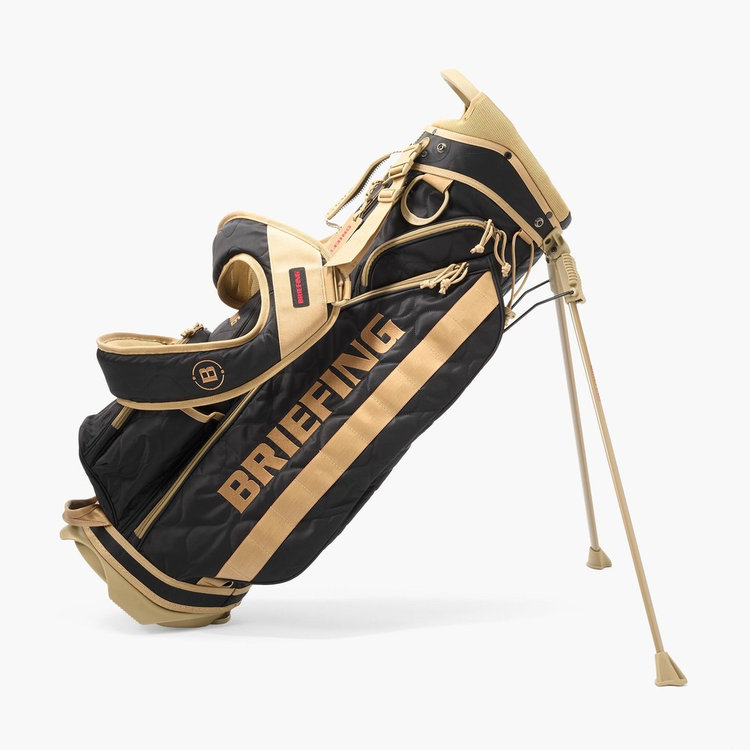
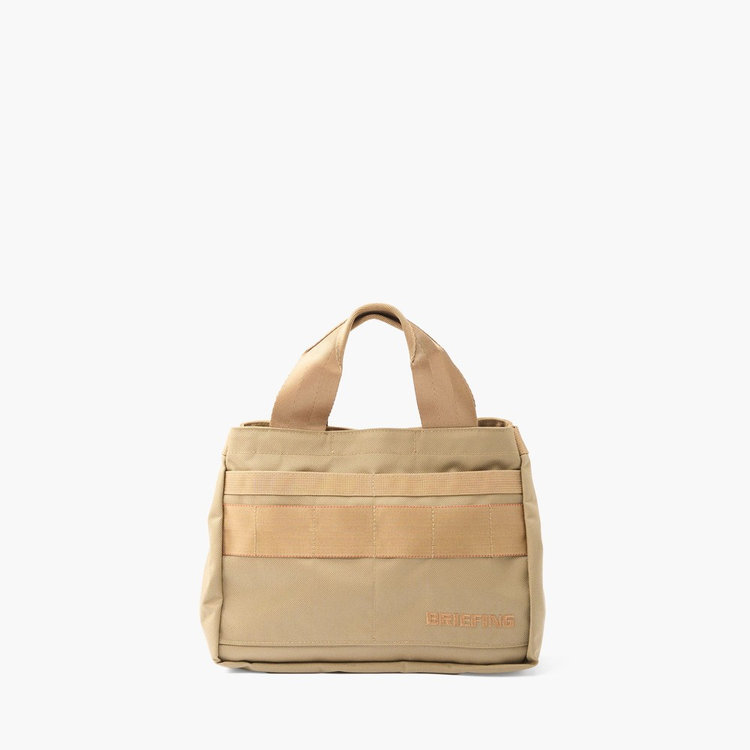
BRIEFING may be familiar to golfers through its distinctive caddie bags, but its apparel deserves just as much attention. The same functional design principles that shaped the luggage brand can be found in its golf jackets, trousers and technical tops. This guide traces BRIEFING’s journey from its 1998 founding through the launch of BRIEFING GOLF, its presence on professional tours, and its recent collections—particularly useful for international visitors shopping for golf clothing in Japan.
1998: The beginnings of BRIEFING
Founded in 1998, BRIEFING built its identity around practical luggage with a military-inspired aesthetic. Carefully considered pocket placement, durable-looking construction and ease of carrying became defining elements of the brand. Those ideas also help explain the restrained black and olive color palette and utility-focused details seen across BRIEFING GOLF products. Its appeal lies not simply in a recognizable logo but in a design language that connects bags, accessories and clothing.
2017: BRIEFING enters golf
BRIEFING GOLF launched in autumn 2017, extending the brand’s approach to the demands of the golf course. The line combines performance-minded features with styling that can work away from the fairway. For golfers visiting Japan, the apparel range is particularly interesting: instead of considering a single jacket or shirt in isolation, think about how the pieces work together as layers. A cool morning round can become warm by lunchtime, making a comfortable outer layer and a compatible base layer more useful than a purely decorative outfit.
2019: Professional golf and Hideto Tanihara
In June 2019, the company announced a sponsorship agreement with Japanese professional golfer Hideto Tanihara, including the use of BRIEFING GOLF apparel in competition. The announcement is a useful milestone in the brand’s development beyond bags and accessories. It refers to the agreement at that time and should not be read as a claim about Tanihara’s current sponsorship or exact current apparel models.
Fall/Winter 2025: URBAN ATHLETE
BRIEFING’s official URBAN ATHLETE feature presents pieces such as the MEN’S 3D LOGO PARKA and MEN’S TOUR LS HIGHNECK. The parka emphasizes an identifiable logo treatment and a versatile hooded silhouette, while the high-neck top is designed to fit into a layered golf wardrobe. When shopping, compare the fit across the shoulders, the amount of room around the waist and the way the hem sits in an address position. Items shown in past-season editorial features may not still be available, so check current stock separately.
Fall/Winter 2026: Apparel and the MIL COLLECTION
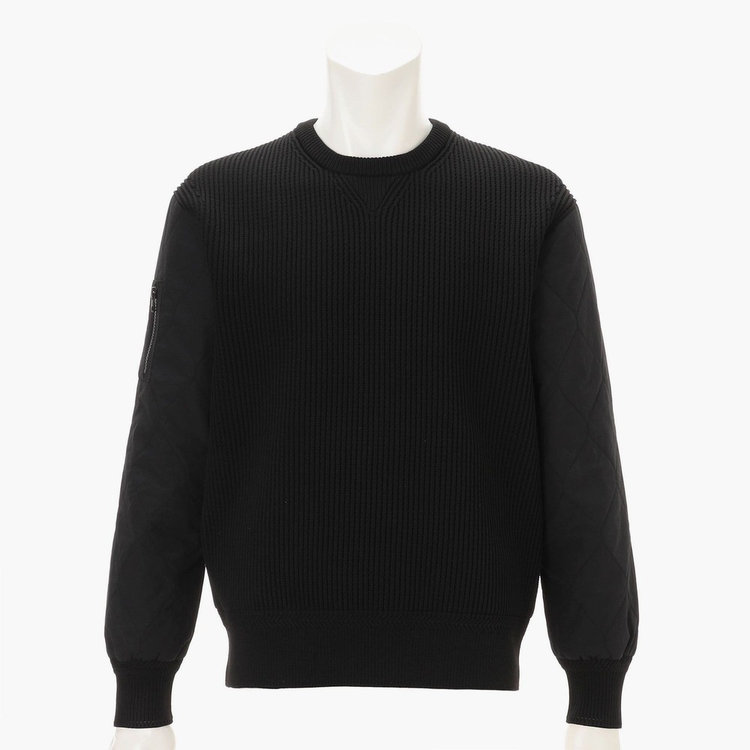
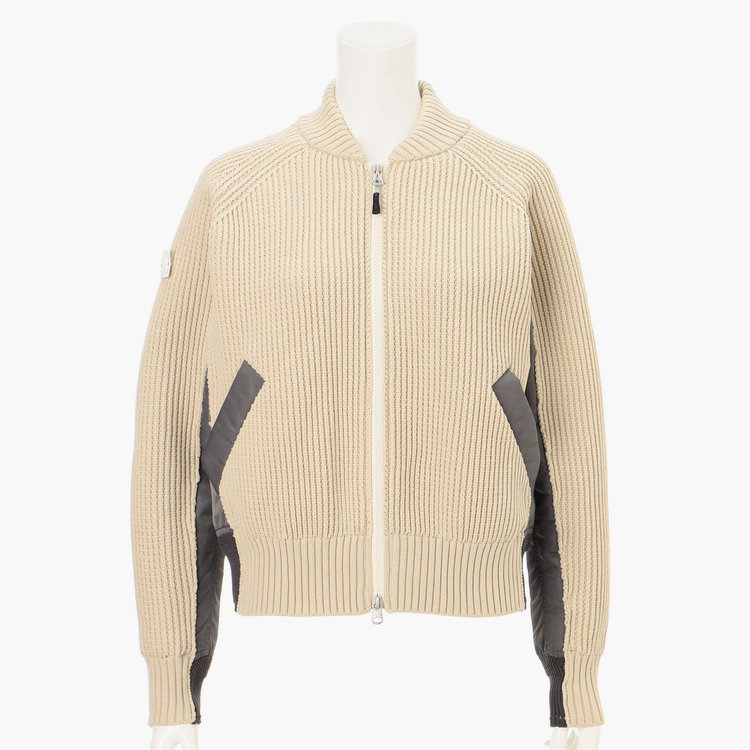
The newer selection includes technical knitwear and coordinated golf accessories. The following photographs are from product images uploaded to the site, with links to the relevant official BRIEFING product pages.
Where and how to try BRIEFING GOLF apparel in Japan
Before visiting a shop, compare the listed chest width, body length and shoulder measurements with a golf shirt or jacket you already own. In the fitting room, take your normal address position and check for pulling across the shoulders and back. Bend down to test whether the pockets remain accessible. If you have limited time in Japan, contact the store in advance with the product name, desired color and size to check availability.
Try outerwear first, then tops and trousers
If you are building an outfit around a parka, try it over a top similar in thickness to what you actually wear on the course. Raise your arms to see whether the hem rides up, and zip the collar fully to check comfort around the neck. With high-neck tops, consider how the collar sits underneath an outer layer. For trousers, check the waist and knees while crouching, then consider whether the color works with your existing belt and golf shoes. This practical sequence makes it easier to select pieces you will continue wearing after your trip.
How to compare black apparel in official photographs
Black fabrics can look dramatically different under studio lighting. Use model photographs to judge overall silhouette and standalone product photographs to examine textured logos, zippers and pocket placement. If a model’s height and size are provided, use them only as a starting point; the actual garment measurements are more important. When pairing a black golf outfit with a BRIEFING bag, compare the sheen and surface texture rather than assuming that all items described as black will look identical.
Buying just one item as a souvenir
For winter golf, a versatile outer layer that fits over your existing clothing is a practical first choice. For year-round use, a top that matches trousers you already own may offer better value. Look at each product’s stated wind protection, warmth and stretch characteristics rather than assuming every jacket performs the same way. Check the care label before purchasing. Photographing the product code and color code can also make it easier to identify the same item once you return home.
Japanese Miura Giken irons can be confusing even to golfers familiar with the international MIURA brand. Both trace their roots to Hyogo Prefecture’s clubmaking tradition, but their product lines and model names vary by market. If you plan to buy an iron in Japan, start with the iron numbers you need, your preferred specifications and a specialist fitting rather than assuming similarly named models are identical.
From metalworking to an independent clubmaker
According to MIURA Golf’s official history, founder Katsuhiro Miura spent approximately ten years learning clubmaking at Kojima Iron Works before establishing his own company in 1977. Working with metal in Hyogo Prefecture laid the foundations for his approach to iron design. Every iron number requires its own head geometry, topline and sole design; even within one set, long and short irons must perform different jobs.
Miura Giken irons in Japan are often purchased through specialist fitting and club-building workshops. The international MIURA lineup also includes forged irons, including the TC-202 and IC-602. Do not assume that a Japanese TC-102 is identical to an international model just because the names look similar. Compare seven-iron loft, offset, blade length and sole width, as well as the total price of the finished club with your chosen shaft and grip.
Historical tour-player reports from 2021
In 2021, ALBA reported on Yuka Saso’s sensitivity to how an iron sole interacts with the turf, and on Atthaya Thitikul’s use of the TC-101. These are historical examples, not claims about either player’s equipment in 2026. They illustrate why skilled golfers consider turf interaction, feel and head geometry rather than focusing on loft alone.
What to examine in TC-102 photographs
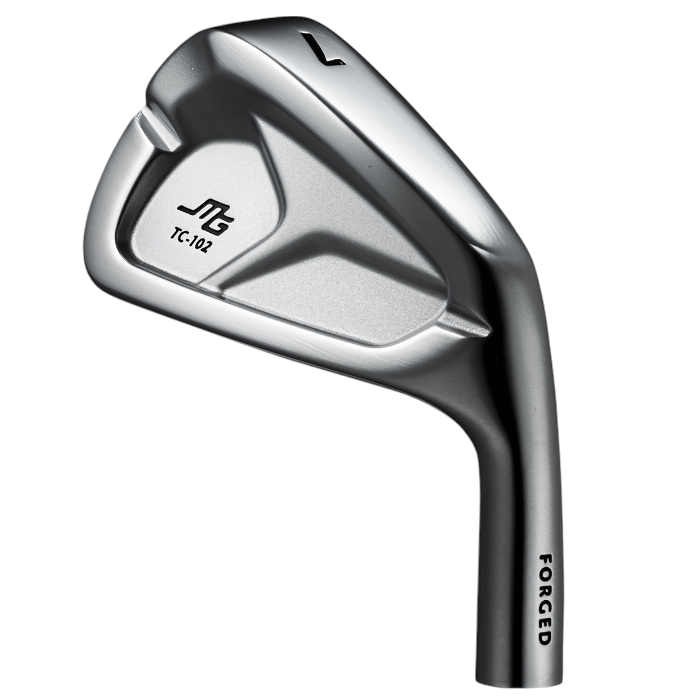
Miura Giken TC-102 — back of iron headMiura Giken TC-102 — sole view三浦技研 TC-102|フェースと仕様表
When examining the domestic TC-102, look beyond the back-cavity styling. Check the topline and leading edge as the club sits behind a ball. During a fitting, pay attention to carry distance and dispersion on slightly thin strikes, not just the longest shot. A fitter can also help decide whether to use a matching long iron, a different head model or a hybrid to achieve consistent distance gaps.
Before booking a fitting or ordering in Japan
Before visiting a Japanese workshop, ask whether it has a TC-102 demonstration head for your handedness and which shafts can be tested. Bring your usual seven-iron as a benchmark if practical. Request a complete quote including heads, shafts, grips, assembly and adjustments, and confirm the collection date. Short-term visitors should ask separately whether the finished clubs can be shipped.
Compare sound, impact feel and sole interaction separately
A description such as ‘soft feel’ is subjective: the ball, strike location and shaft can all change the sensation. If the workshop permits, test with a familiar ball and compare centered and slightly toe-side strikes. Examine the iron at address with the shaft installed. Also discuss how the sole’s width and front-to-back curvature may interact with your swing and local turf conditions.
Checklist: comparing Japanese and international models
When comparing product pages, record the exact head designation, handedness, loft by iron number, standard shaft options and how the set is sold. A per-club price is not the final build price if adjustments or upgraded shafts are added. Visitors should check fitting fees and shipping arrangements. Alternate shots between your own seven-iron and the test club to reduce the effect of becoming accustomed to one model.
What to check when collecting custom clubs
At collection, compare each club with the written specification sheet. Check head and shaft markings, iron numbers, grip alignment and playing lengths. On the range, test both long and short irons to verify distance gaps, especially between the shortest iron and your wedges. Keep the fitting record in case you later need a replacement or an additional club.
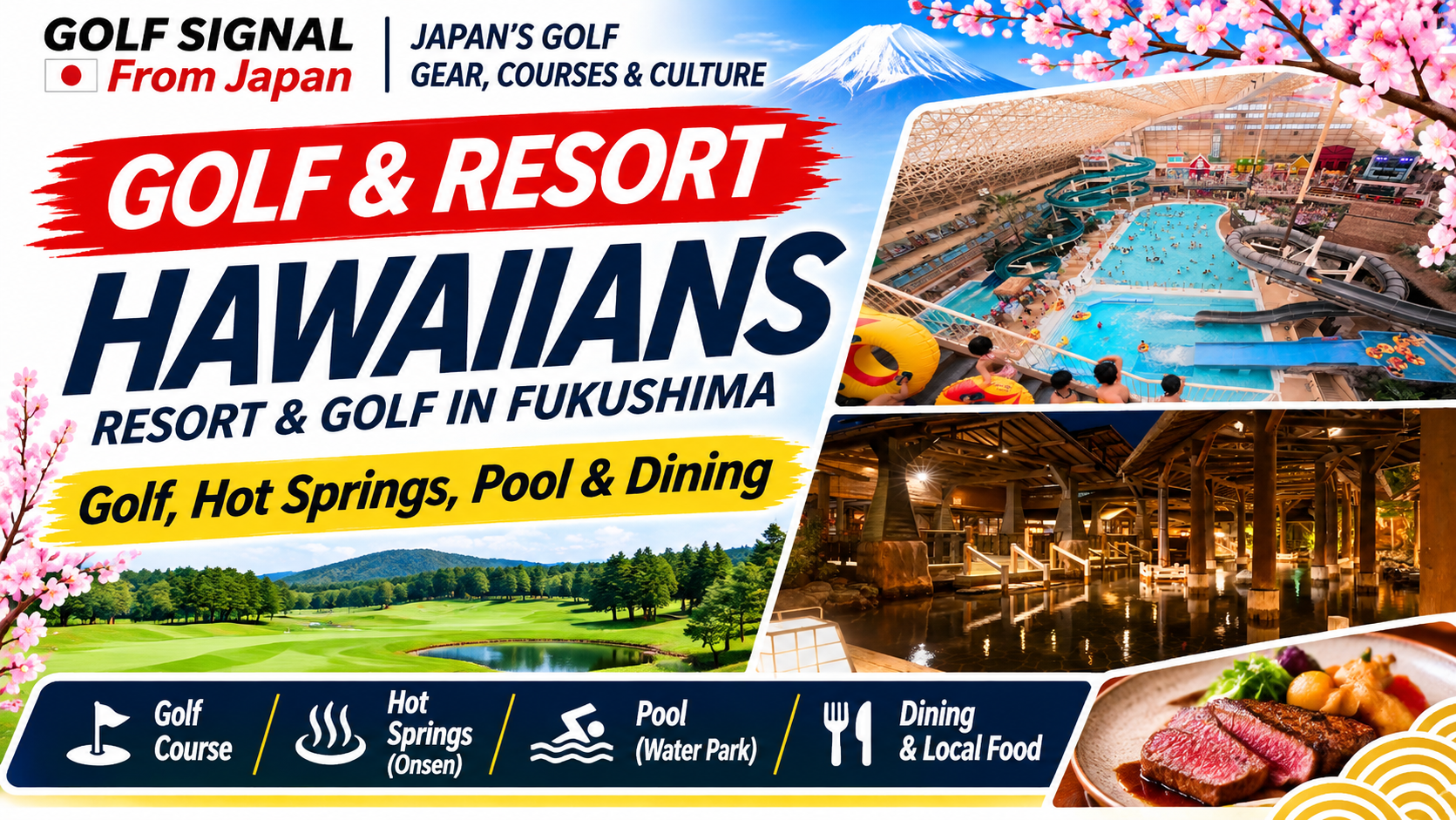
For international golfers planning a trip beyond Tokyo, Fukushima’s Iwaki area offers a different side of Japanese golf: a round on the course combined with hot springs and a relaxed resort stay. Hawaiians Golf Course provides an English-language website, making it a useful starting point for overseas visitors.
Where is Hawaiians Golf Course?
The course is in Iwaki, Fukushima Prefecture, on Japan’s Pacific side. It can form part of a longer Tohoku or eastern-Japan itinerary. Check the course’s official access page for the current address, road directions and transport options before departure.
Golf course and playing style
The resort presents a 27-hole, three-course layout. Course combinations, tee selection, cart policies and whether a caddie is included should be confirmed for the date you wish to play. Japanese courses may schedule a clubhouse lunch between nines; ask whether your selected plan is a lunch-break or through-play round.
Stay, play and enjoy the onsen
The appeal is not only the golf. The broader Hawaiians resort area is associated with hot-spring bathing and accommodation. Compare the golf course’s own packages with nearby hotels, and confirm whether a quoted package includes a room, breakfast, dinner, green fee, transport or onsen admission. These are not automatically bundled.
Review the current playing plans, course information and accommodation offers.
Choose a date and check availability using the official reservation or inquiry route.
Confirm the total price, player count, club rental, cancellation rules and payment method.
Ask specifically whether English-speaking assistance is available on arrival; an English website alone does not guarantee it.
Getting there from Tokyo
Iwaki can be reached from Tokyo by rail and road. The best last-mile connection depends on the train, hotel and course location. Do not assume that a shuttle is provided; verify transfers and operating days with the course or hotel. Golfers carrying clubs should also check luggage rules and shipping options.
What to bring
Pack golf shoes suitable for the course, a change of clothing and weather layers appropriate to the season. Ask about rental clubs and shoes before leaving Tokyo. If you plan to use a bathhouse, review its rules in advance, including any tattoo policy.
Why visit?
Hawaiians Golf Course is a useful example of Japan’s stay-and-play culture: golf can be one part of a full day of food, hot springs and time with travel companions. For overseas readers, the availability of an English information page is a practical advantage, but specific booking terms must still be confirmed.
Know the three nines before choosing a round
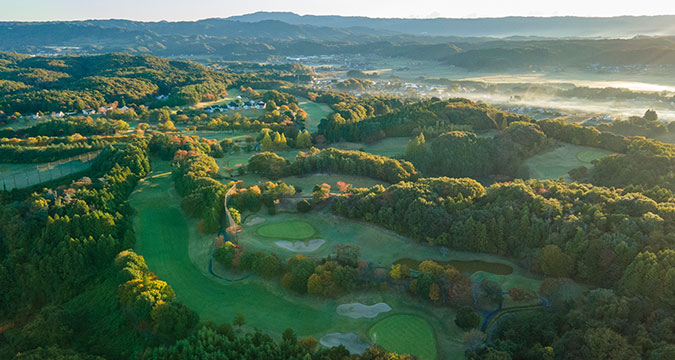
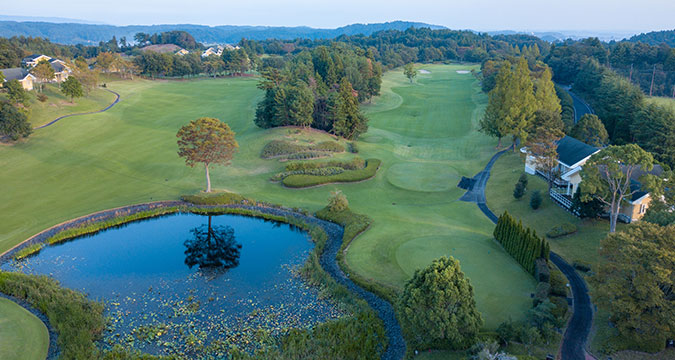
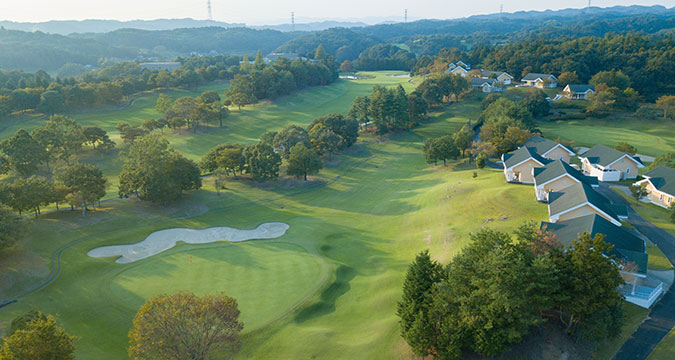
West Course: The official course guide describes a woodland atmosphere, with a sense of walking through a forest. Central Course: The course is described as open and influenced by an American-style layout. East Course: The northernmost nine offers wider distant views. Ask which two nines are paired on your date and whether any maintenance affects the routing.
Address and practical contacts
Golf course: 216 Hashinoue, Kamikamado, Watanabe-machi, Iwaki, Fukushima 972-8336, Japan. The Japanese official website lists telephone 0246-56-0111 as its representative number and a separate reservation/contact number of 0246-56-0113. Telephone service hours shown are 9:00 a.m. to 5:30 p.m. Japan time. See the official Japanese website for the latest contact information.
The course’s restaurant emphasizes seasonal ingredients. Its official updates announce an autumn/winter menu from October 1, 2026. Check the restaurant and news pages for current dishes and prices, and confirm whether lunch is included in your golf package. Lunch is often part of a full Japanese golf day: a chance to enjoy regional food and spend time with playing partners.
Events and friendly competition
The course lists regular resort competitions and half-round competitions in November 2026. Some are advertised with no additional participation fee, but advance registration and the standard play fee may still apply. These can offer a window into local golf culture; ask whether visitors are eligible and whether language support is available before registering.
Golf course versus Spa Resort Hawaiians
The golf course and the wider Spa Resort Hawaiians are related destinations, but they have different addresses, booking arrangements and facilities. The resort’s official English access page gives the spa-resort address as 50 Warabihira, Tokiwa Fujiwara-cho, Iwaki, Fukushima 972-8326. Do not navigate to that address assuming it is the golf clubhouse. Check transfer arrangements between the hotel, spa resort and golf course before booking.
Planning a two-day trip
Day 1: Travel from Tokyo to Iwaki, check in and enjoy a resort or onsen experience. Day 2: Play golf, allow time for a clubhouse meal and travel home. This is an illustrative itinerary, not a verified shuttle or package schedule. Confirm the train, hotel check-in, tee time and last-mile transportation separately.
Seasonal conditions
Iwaki’s Pacific coastal climate can be relatively mild in winter, according to the resort’s official tourism information, but daily weather still varies. Check course conditions, frost delays and local weather before departing. Winter play may call for extra layers and a more flexible travel schedule.
Official photo and booking references
Find real photographs of the West, Central and East courses on the official golf course site. The official resort access page provides transport context. Obtain permission or approved media files before republishing copyrighted course photos.
Beyond golf: a full Hawaiian-style resort in Japan
Spa Resort Hawaiians is much more than a golf course. In Iwaki, Fukushima, it brings together a huge indoor water park, slides, natural hot springs, Polynesian performances, dining, shopping and four distinctive accommodation choices. Golfers can play 18 holes while non-golfing family members spend the day in the pools and resort facilities. The wider complex has six themed areas and is open for tropical-style leisure throughout the year.
WATER PARK & SLIDES
The indoor Water Park includes a 50-metre main pool, Fish-Go-Round aquarium-style flowing pool, children’s play areas and waterslides. Big Aloha is a signature high-thrill body slide. Check height restrictions, opening hours and whether attractions cost extra.
Enjoy natural Iwaki Yumoto hot springs in Spring Park, the swimsuit-friendly Spa Garden Pareo and the atmospheric Edo Jowa Yoichi open-air bath, designed around a traditional Edo-period bathhouse. Bathing rules and swimsuit requirements differ by zone.
Hula and Polynesian dance performances, live music and fire-knife dance shows are central to the resort’s identity. Some viewing seats require a separate reservation or fee; check the performance schedule for your dates.
Between swims, guests can explore resort restaurants, Hawaiian-inspired dishes, Japanese food and souvenir shops. Dining choices vary by venue and season, and meals may or may not be included with a hotel package.
The resort advertises hotel-guest benefits such as a two-day Hawaiians admission ticket, early Water Park entry the following day and eligible complimentary coach services from metropolitan-area departure points. These are subject to the specific accommodation plan and advance reservations. Importantly, the golf course’s official access guide says transfers between the resort hotels and golf course can be arranged for guests; ask the hotel or golf course in advance rather than assuming an automatic scheduled shuttle.
Two-day golf-and-resort itinerary
DAY 1 — Check in, swim and enjoy the shows
Travel to Iwaki, check into Hotel Hawaiians, Monolith Tower, VirPort or Mauna Village, and spend the afternoon at the indoor Water Park or spa. Enjoy dinner and an evening Polynesian show, checking ticket arrangements in advance.
DAY 2 — Golf, hot springs and home
Golfers head to the 27-hole Hawaiians Golf Course for a morning round. Non-golfers can enjoy the pools or onsen, subject to their admission plan. Meet for lunch or dinner and return home. Confirm transport, hotel check-out, golf tee time and luggage arrangements before booking.
Official photographs and Instagram
For genuine images of the pools, waterslides, hotels, rooms, hot springs and shows, browse the official resort photo pages and the official golf course website. The resort also maintains an official Instagram account (@spa.resort.hawaiians) with photos and videos of its attractions. Individual Instagram posts can be embedded when their specific public post URLs are verified; a profile page itself is not a post embed. These links are provided instead of inserting unlicensed third-party images.
Booking a round of golf in Japan does not have to mean navigating Japanese-only websites or making phone calls in Japanese. Golf Caddie Japan is a paid reservation-assistance service for overseas golfers. This independent guide explains exactly how to request a tee time, what the service costs, what is included, and what happens if plans change.
Updated: November 2026. All prices below are in Japanese yen (JPY). Policies may change; check the provider’s written quotation before paying.
1. How the booking process works
The process is explained in the step-by-step cards below, so you do not need to read a long booking-form screenshot.
STEP 01 · Send a free request
Enter your name, email, preferred dates, number of golfers, where you are staying and your approximate green-fee budget. You can specify a course, but you do not have to.
Cost at this stage: ¥0.
STEP 02 · Receive options
The provider says it replies by email within 24 hours with suitable courses and a written quote. Course acceptance and tee times are not yet guaranteed.
STEP 03 · Review the quote
Check the proposed course, date, green fee, booking-assistance fee, rentals, caddie, cancellation conditions and other charges. Ask questions before agreeing.
STEP 04 · Pay the service fee
After you approve the written quote, pay the reservation-assistance fee in advance by credit or debit card via Stripe. Green fees are paid separately to the golf course.
STEP 05 · Final confirmation
The provider contacts the course, checks availability and confirms the final price with you before completing the booking. If it cannot secure a tee time, or you decline the confirmed price, the service fee is refunded.
STEP 06 · Get ready to play
After confirmation, you receive an English day-of-play guide with details for your round. Check arrival time, travel directions, dress code, rentals and lunch arrangements.
Planning tip: The request form normally asks for at least three days’ notice. For shorter-notice golf, contact the provider directly; availability is not guaranteed.
2. Booking fees: what will you actually pay?
The service charges ¥6,000 per golfer per round (tax included) for groups of two or more. For one-player enquiries received on or after November 1, 2026, the fee is ¥8,000 per round. Multiple rounds are charged separately.
Players
Booking fee
Golf course fees
1
¥8,000
Extra
2
¥12,000 total
Extra
3
¥18,000 total
Extra
4
¥24,000 total
Extra
Example: A group of two booking a course at ¥15,000 per player would pay ¥12,000 in total to the booking service and ¥30,000 in total to the golf course, for a combined ¥42,000, before rentals, transport or other extras. The ¥15,000 green fee here is an illustration, not a live quote.
The provider quotes typical green fees around ¥12,500–¥30,000 per person, depending on the course and date. The service states that it does not mark up the green fee. You pay the course directly for the round, while the reservation-assistance fee is paid to Golf Caddie Japan.
3. Cancellation and refund conditions
Important: The reservation-assistance fee and any separate golf course cancellation charge are governed by different rules.
Situation
Booking service fee
No tee time can be secured
Full refund
You decline the final price before booking
Full refund
You cancel at least 14 days before the tee time
Full refund
You cancel within 14 days of the tee time
Non-refundable
Course closes because of weather or course conditions
Full refund for the affected booking
If a booking is made within 14 days of play, the provider says the service fee becomes non-refundable once that booking is confirmed. A course may impose its own separate cancellation fee; those terms should be listed in your quotation. Rain does not automatically mean the course is closed. Do not assume that choosing not to play in wet weather qualifies for a refund.
4. What information does the request form ask for?
You do not need a screenshot of a long form to prepare your request. Have the following details ready:
Contact: name, email and optional WhatsApp or phone number.
Dates: preferred playing date or date range; indicate whether your dates are flexible.
Group: number of golfers, including whether you are travelling alone.
Location: city, hotel name or the area where you will stay.
Preferences: the type of course or golf experience you want and your approximate green-fee budget.
Extras: rental clubs, a caddie, or a playing partner if needed.
Rental details: right- or left-handed clubs, standard or premium sets, and any men’s/women’s set requirements.
Solo preference: whether you are willing to join other golfers or would prefer to play independently where allowed.
Other notes: transport constraints, accessibility requirements and any other important requests.
5. Rental clubs, caddies and solo golfers
Rental clubs
The request form indicates that a course’s standard rental set typically costs about ¥3,000–¥8,000, paid to the course. Premium sets or specially delivered left-handed sets may cost more. Rental availability must be confirmed for your date.
Caddie arrangements
You can ask for a caddie, but availability, language ability and cost vary by club. Ask whether the quoted price includes the caddie or only the green fee.
Playing alone
A single golfer may be paired with other players. Playing without being paired is possible at fewer courses and can be substantially more expensive because the whole group’s slot may need to be purchased. The provider’s form gives illustrative examples of around ¥32,000 near Mt. Fuji and ¥90,000–¥100,000 around Osaka for some private solo arrangements; these are not fixed prices.
Optional playing partner
The service may be able to arrange a local golfer or teaching professional to join you, subject to availability. The fee, scope of the session, any partner green fee and cancellation rules must be quoted separately.
6. What the service does not arrange
Golf Caddie Japan says it does not book hotels or directly arrange transportation. It can advise on routes or introduce a partner hire-car provider, but the traveler is responsible for booking transport and accommodation. The provider also notes that full-course evening golf is generally not a practical option in Japan.
7. Should you use a booking service or book directly?
Option
Best for
Consideration
Direct English course booking
Visitors who already know the course
Not every course offers it
Hotel concierge
Travelers combining hotel and golf
Service depends on hotel
Golf Caddie Japan
Travelers wanting help comparing courses and arranging a round in English
Separate service fee
Japanese booking website
Visitors comfortable with Japanese
Language, registration or payment barriers
8. Checklist before paying
Is the tee time confirmed, or is this only a request?
What is the total price for every golfer, including the booking service fee?
When and where are the green fees paid?
Are rental clubs, a caddie, lunch and a cart included?
What is the course’s own cancellation policy?
Does the course accept single players or require pairing?
How will you travel from your hotel to the course?
Does the club have dress-code or bathhouse rules you should know?
Independent editorial guide. We are not the booking provider. Information checked against the provider’s public website in November 2026; the written quote and current terms control any actual transaction.
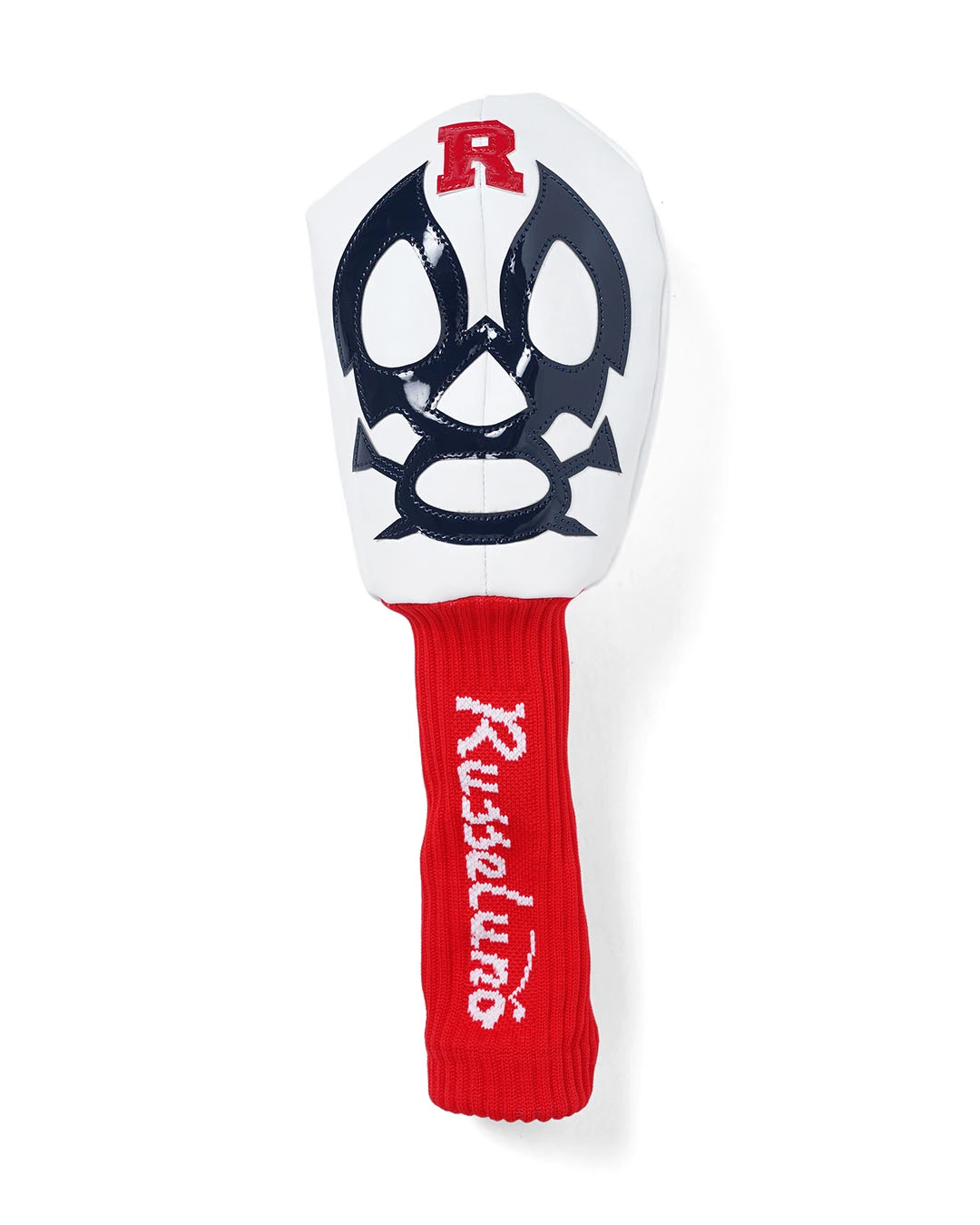
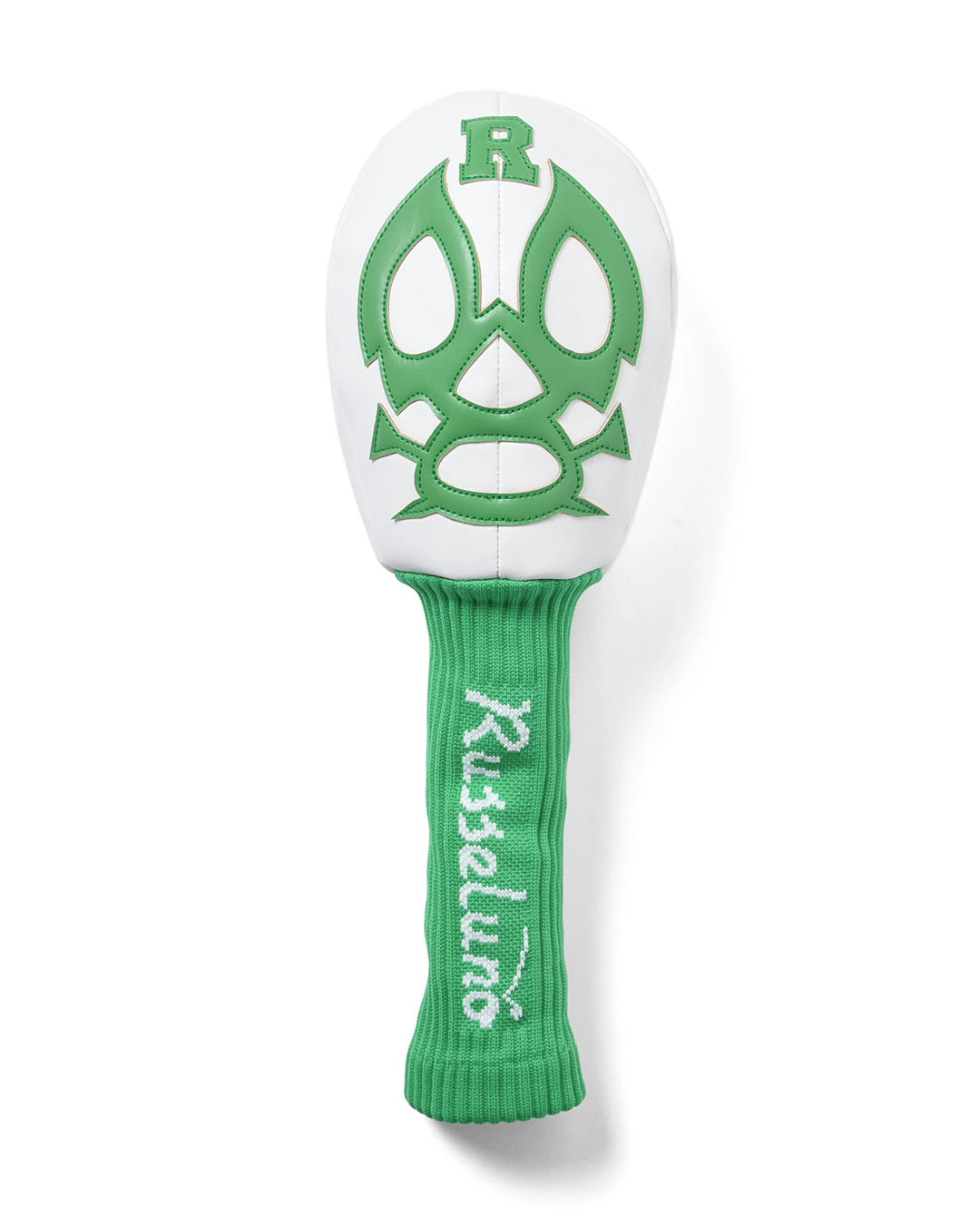
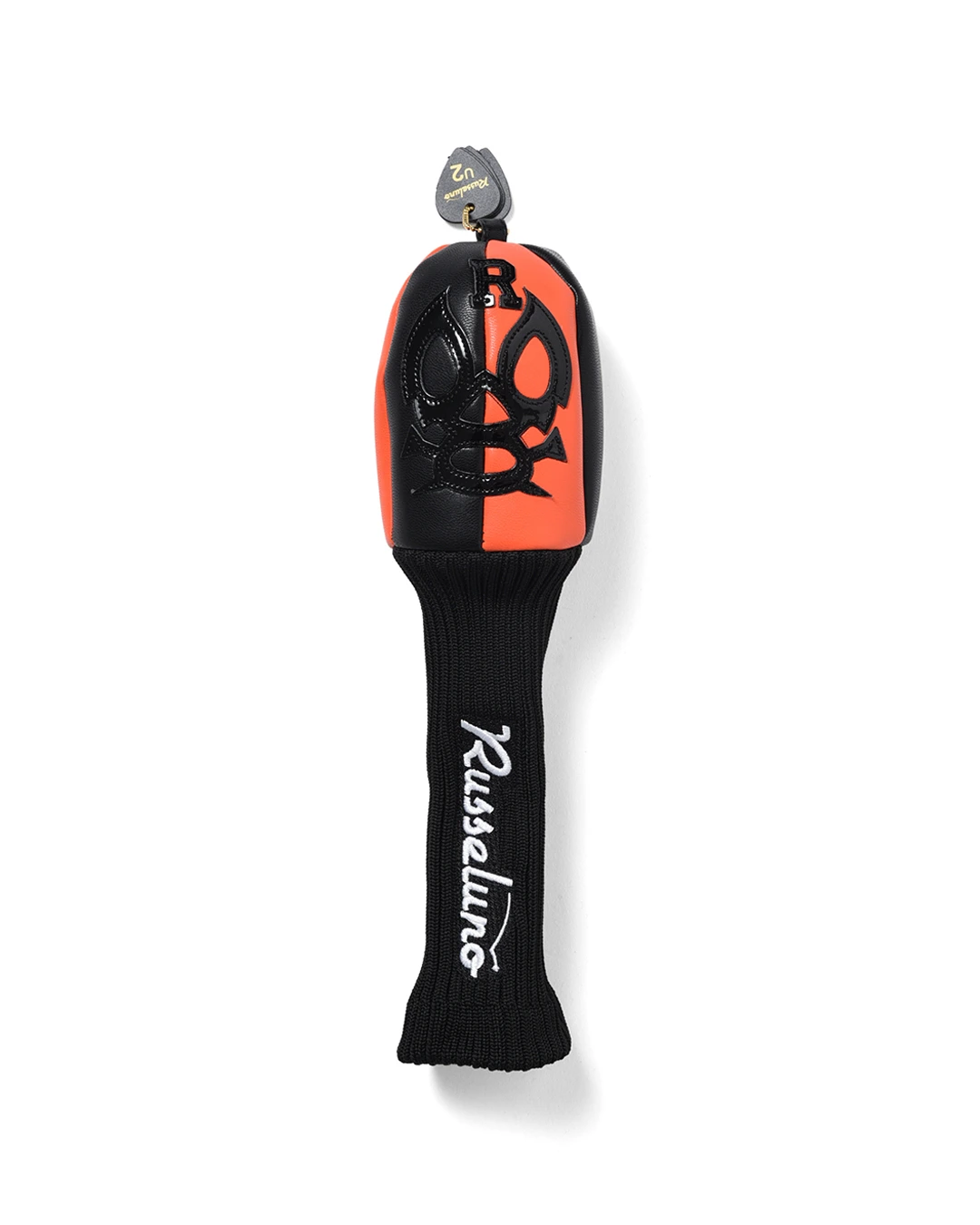
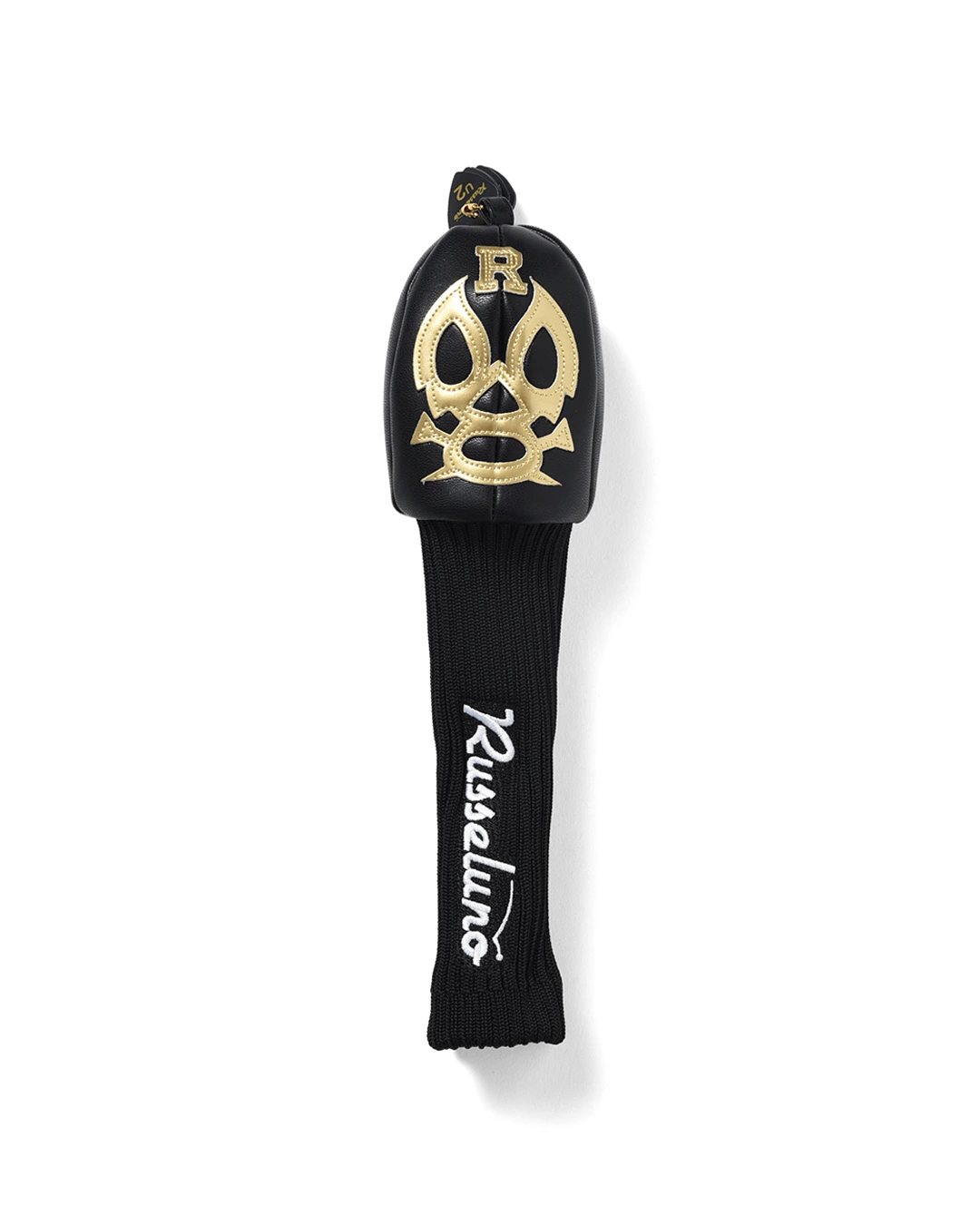
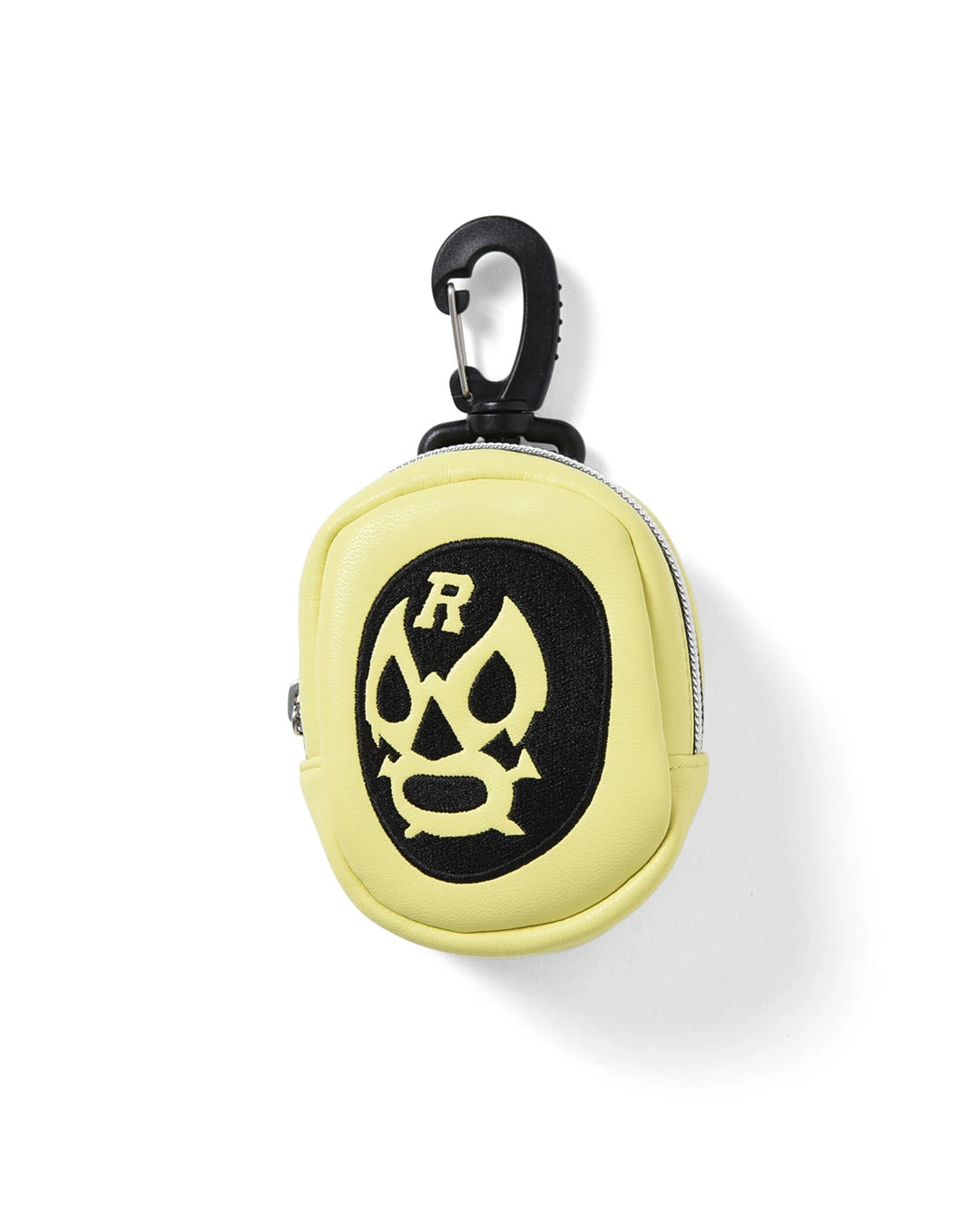
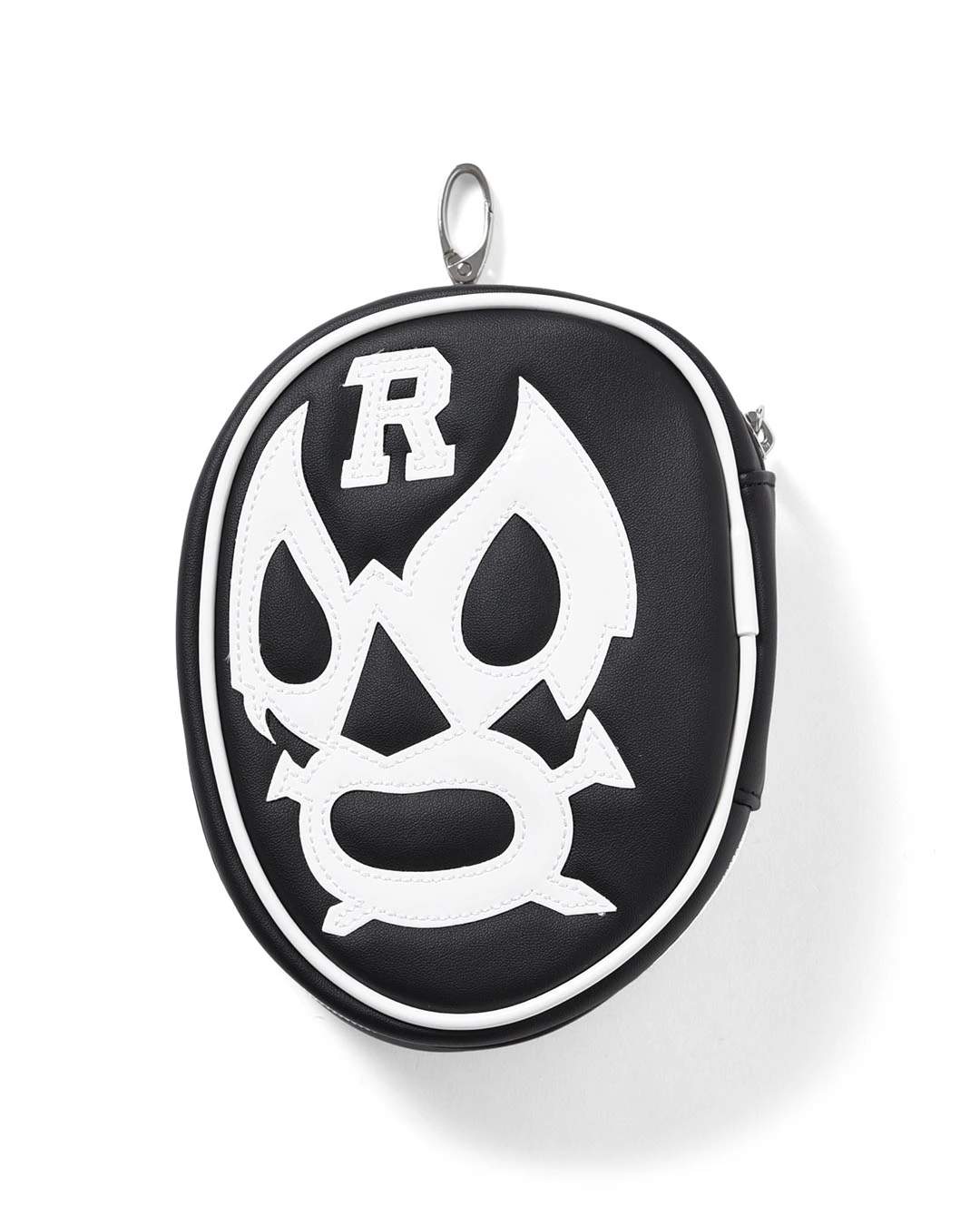
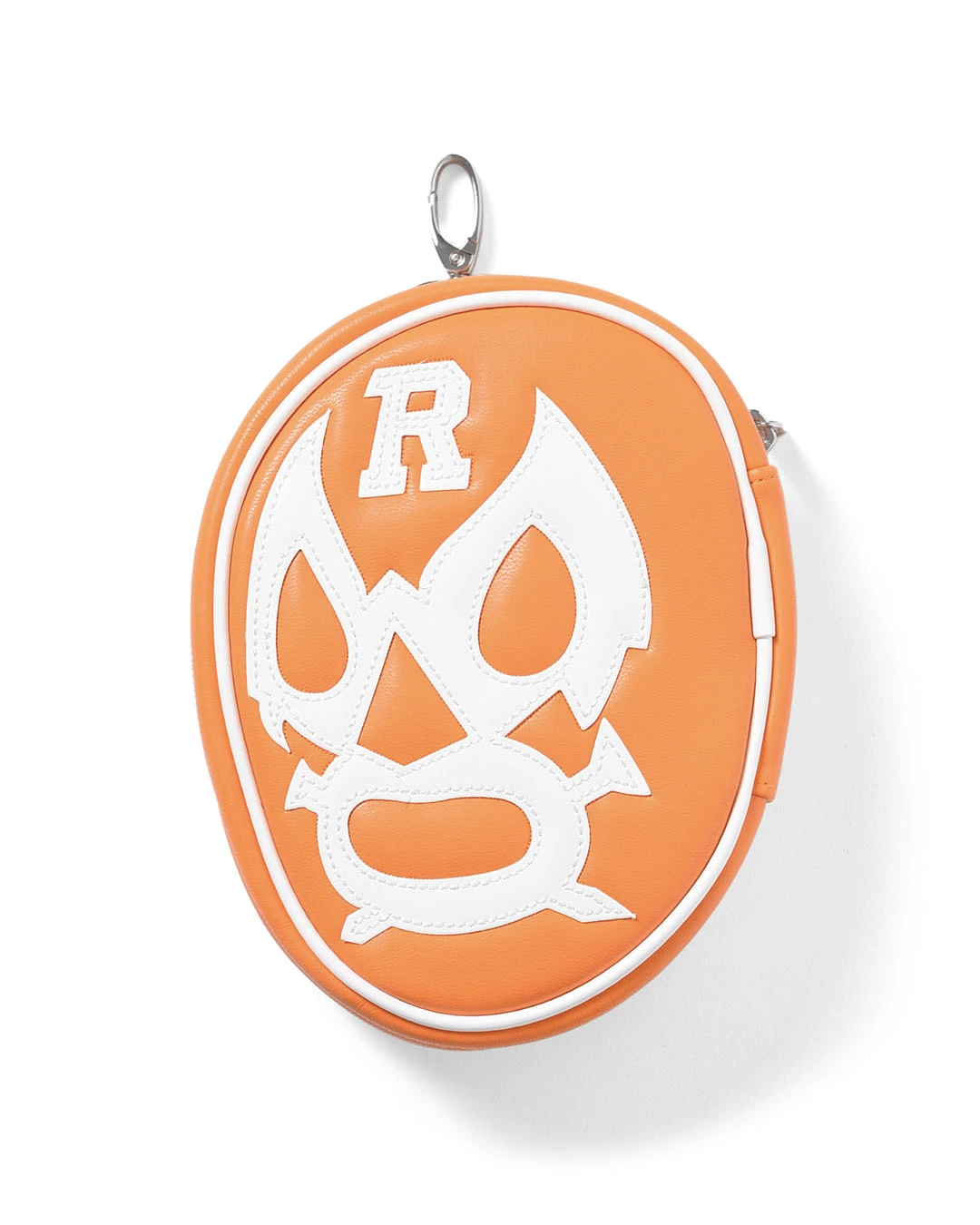
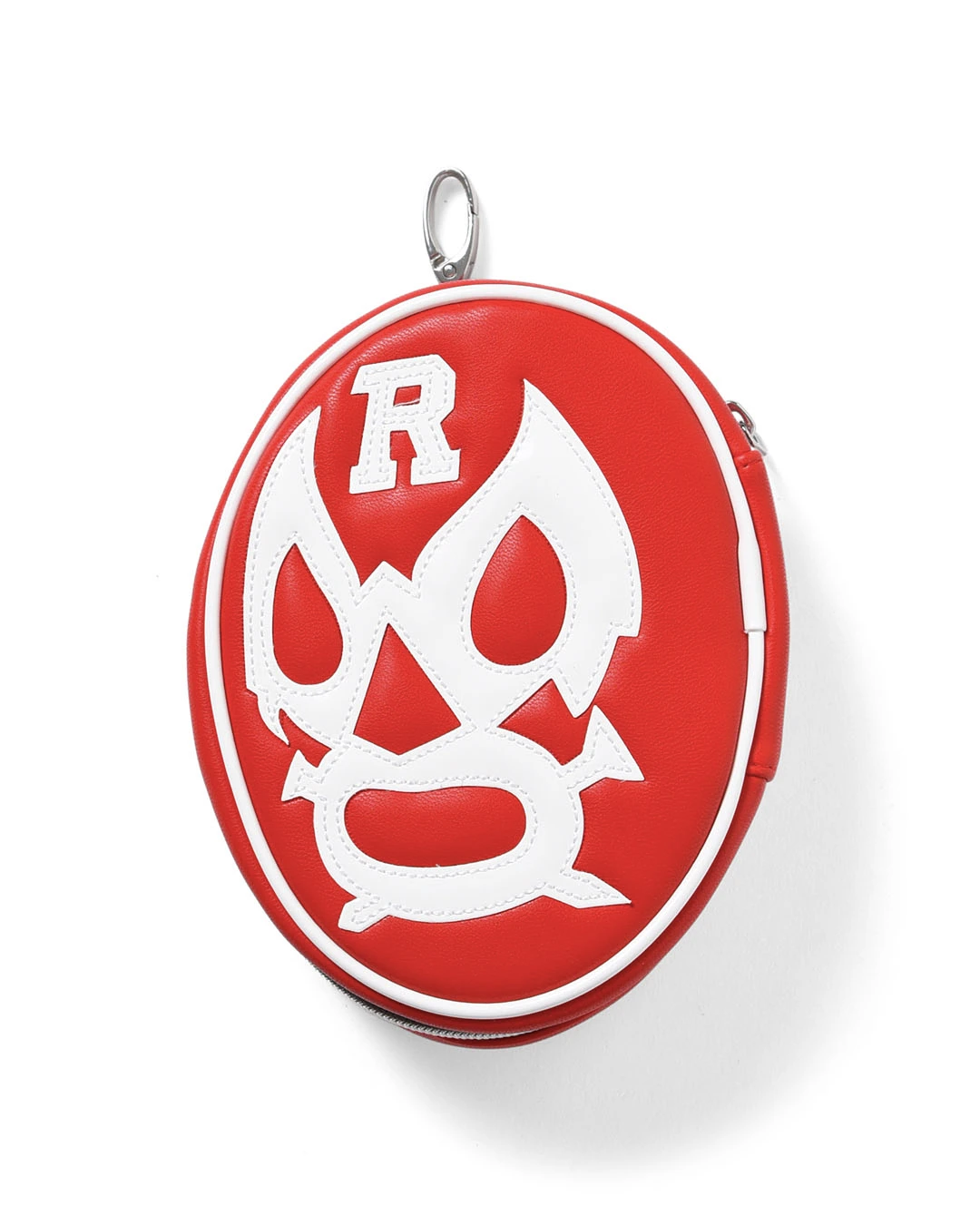
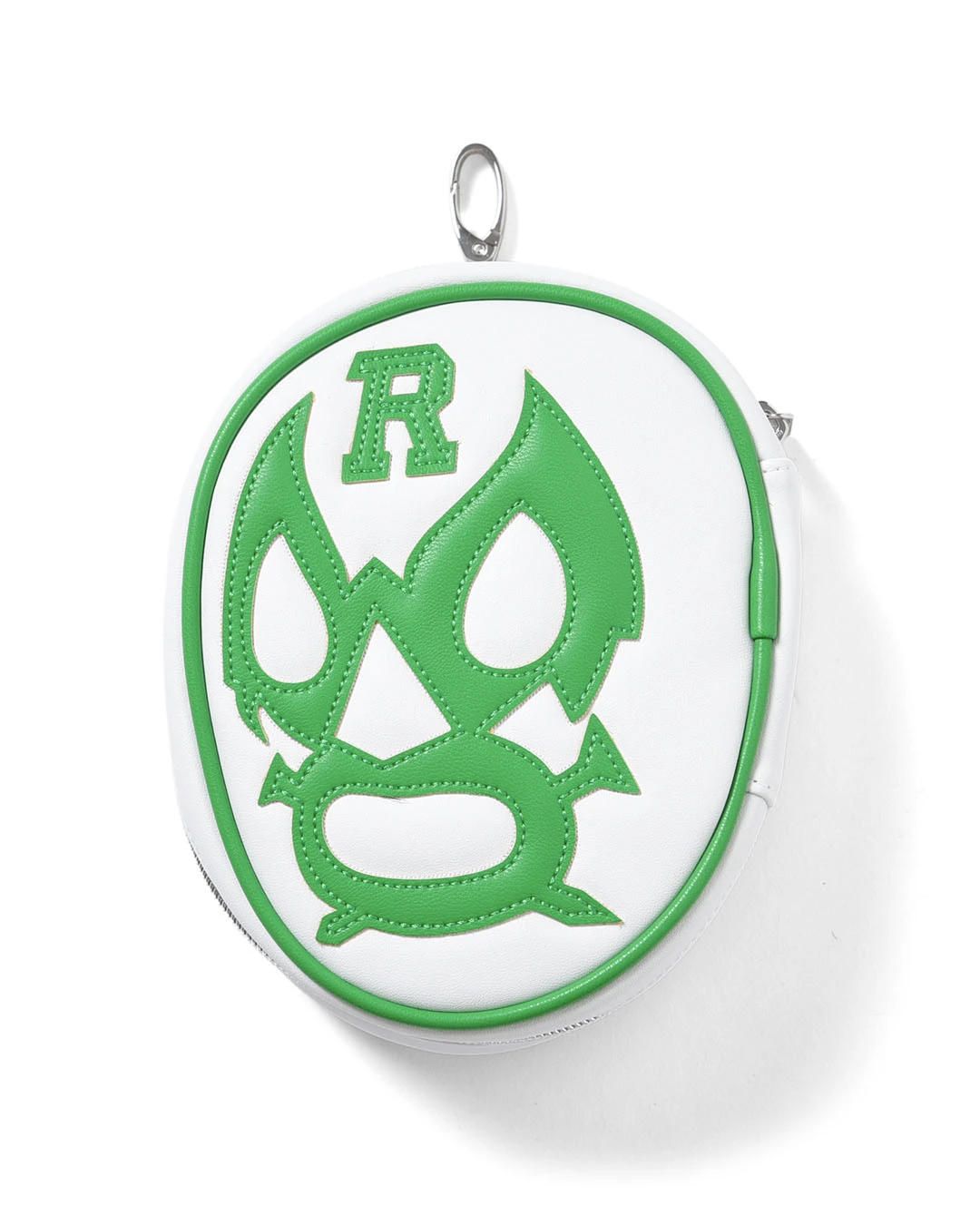
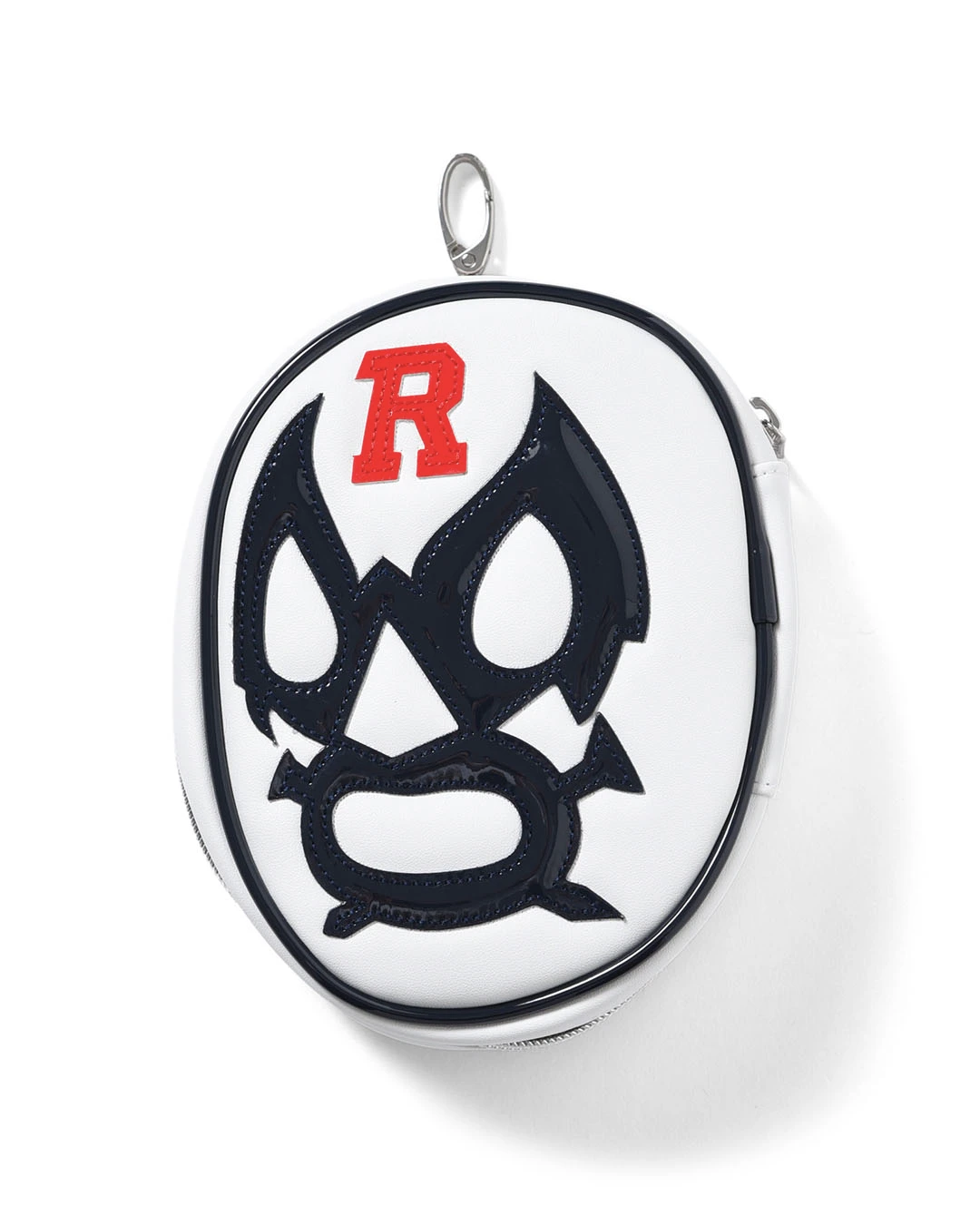
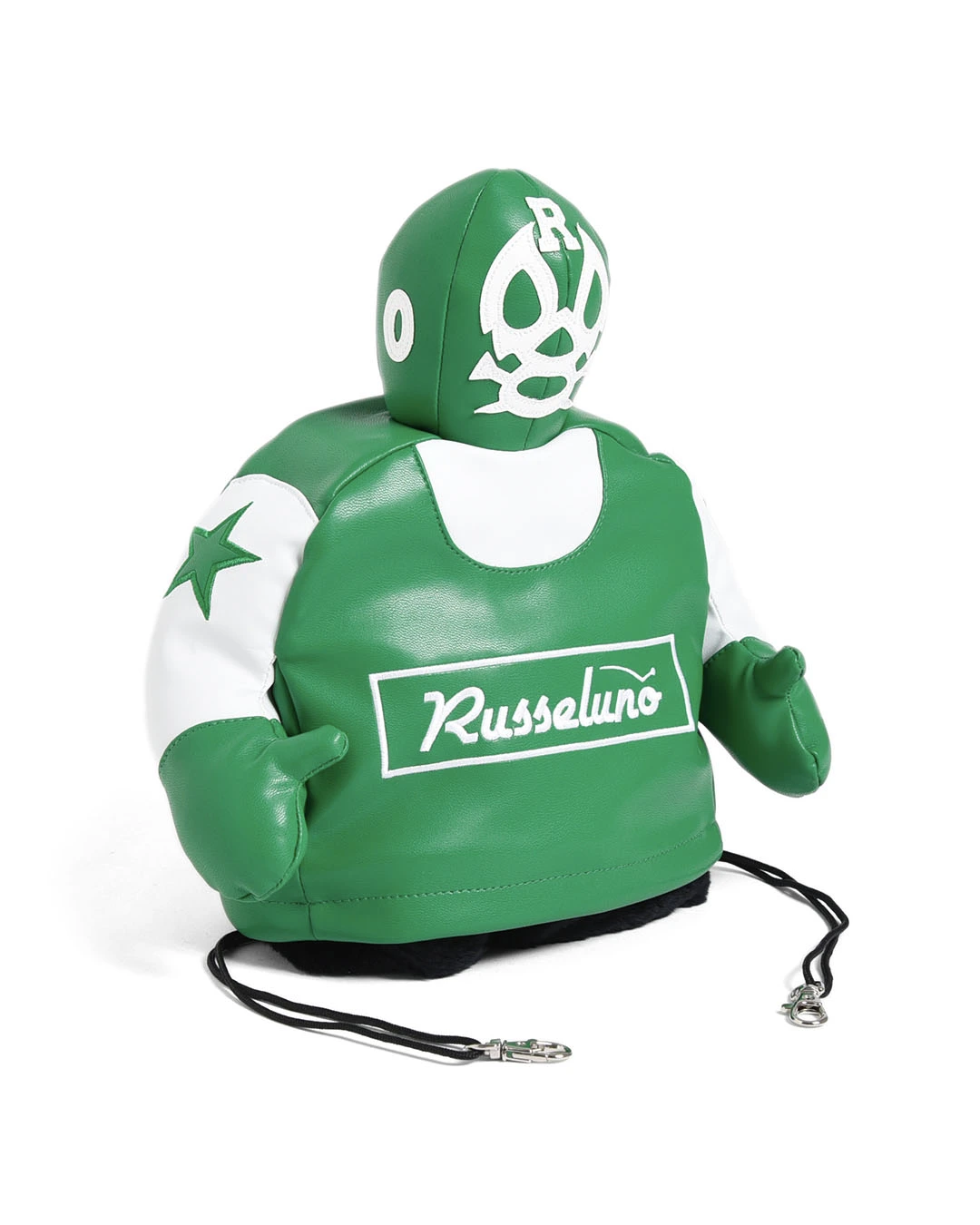
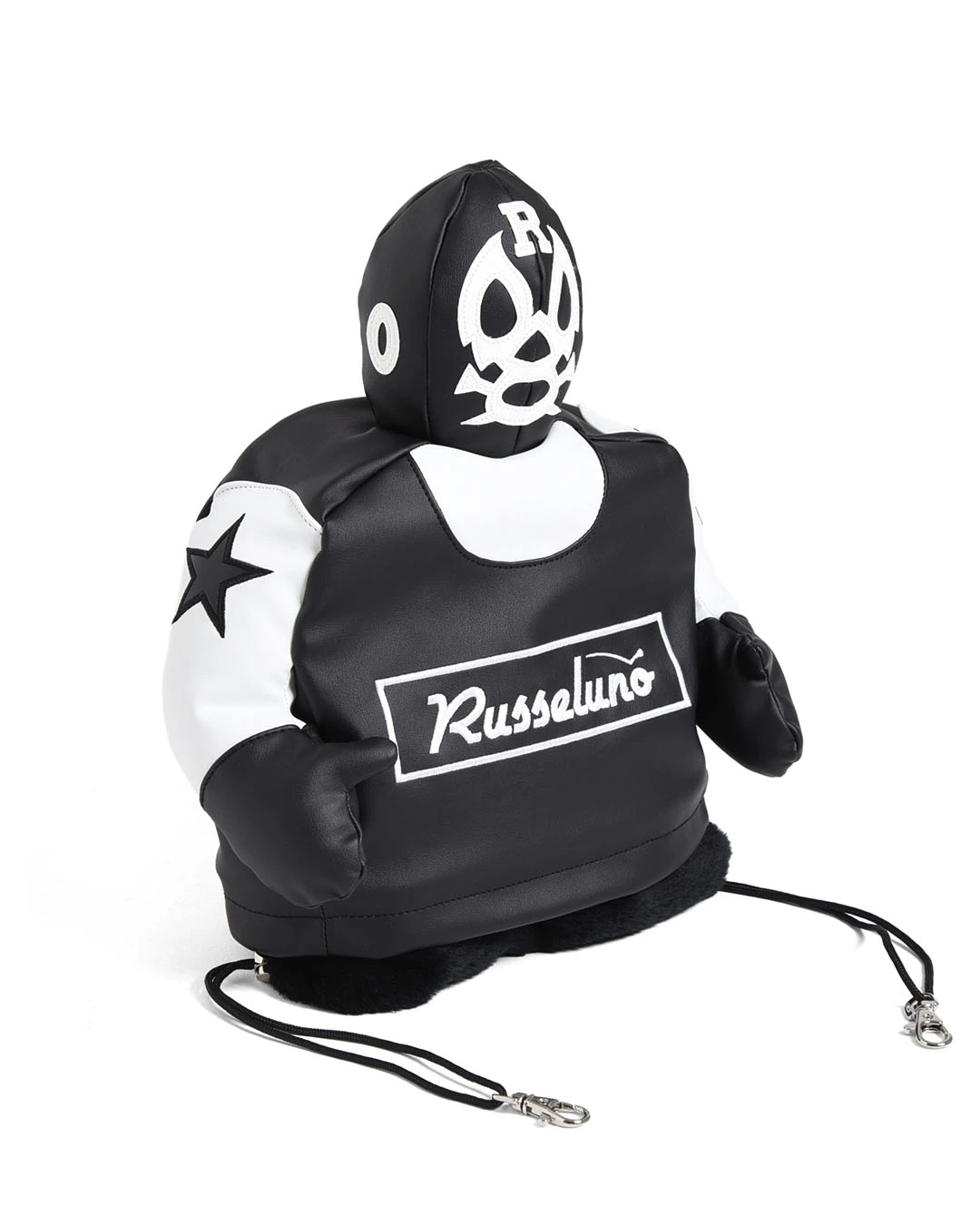
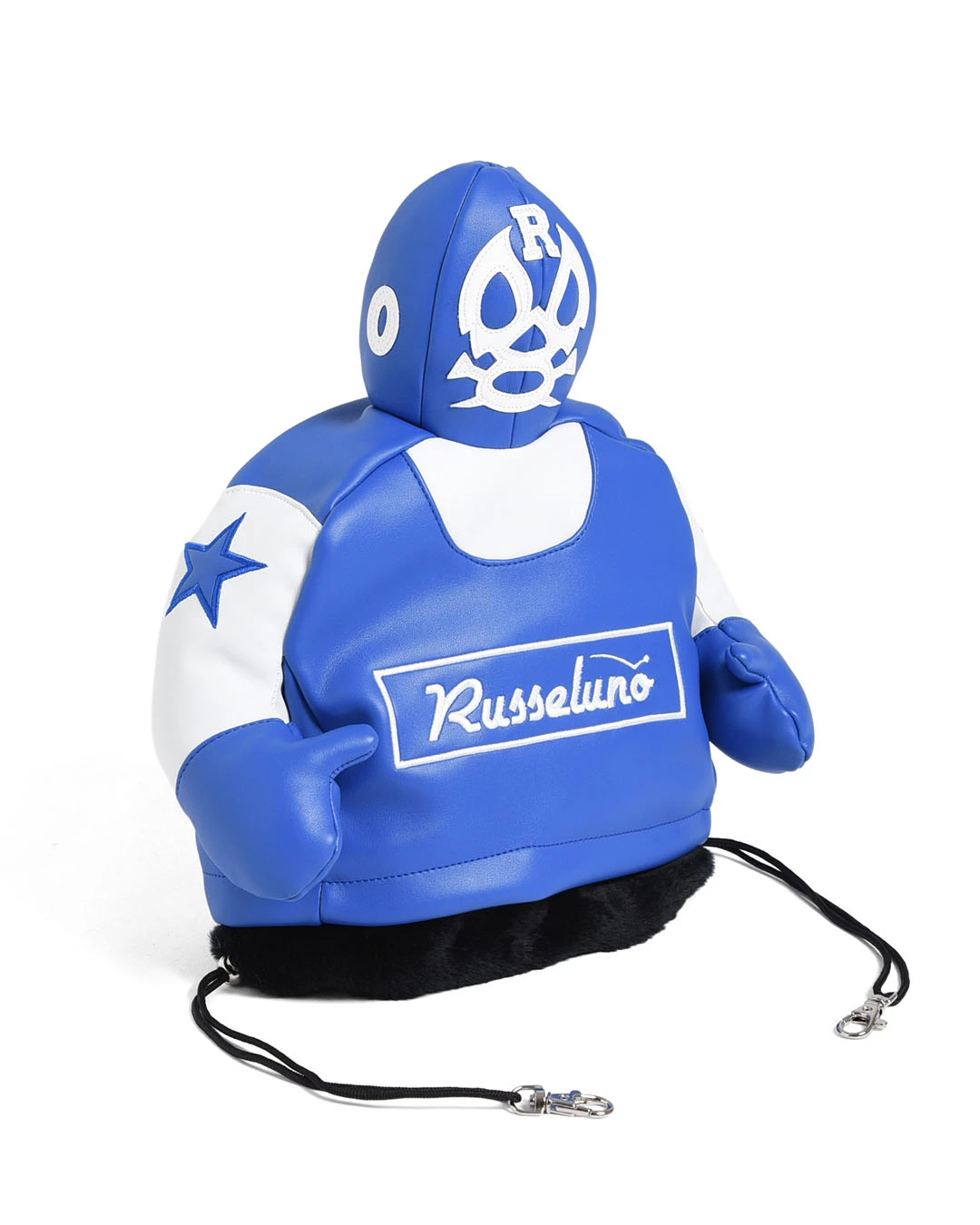
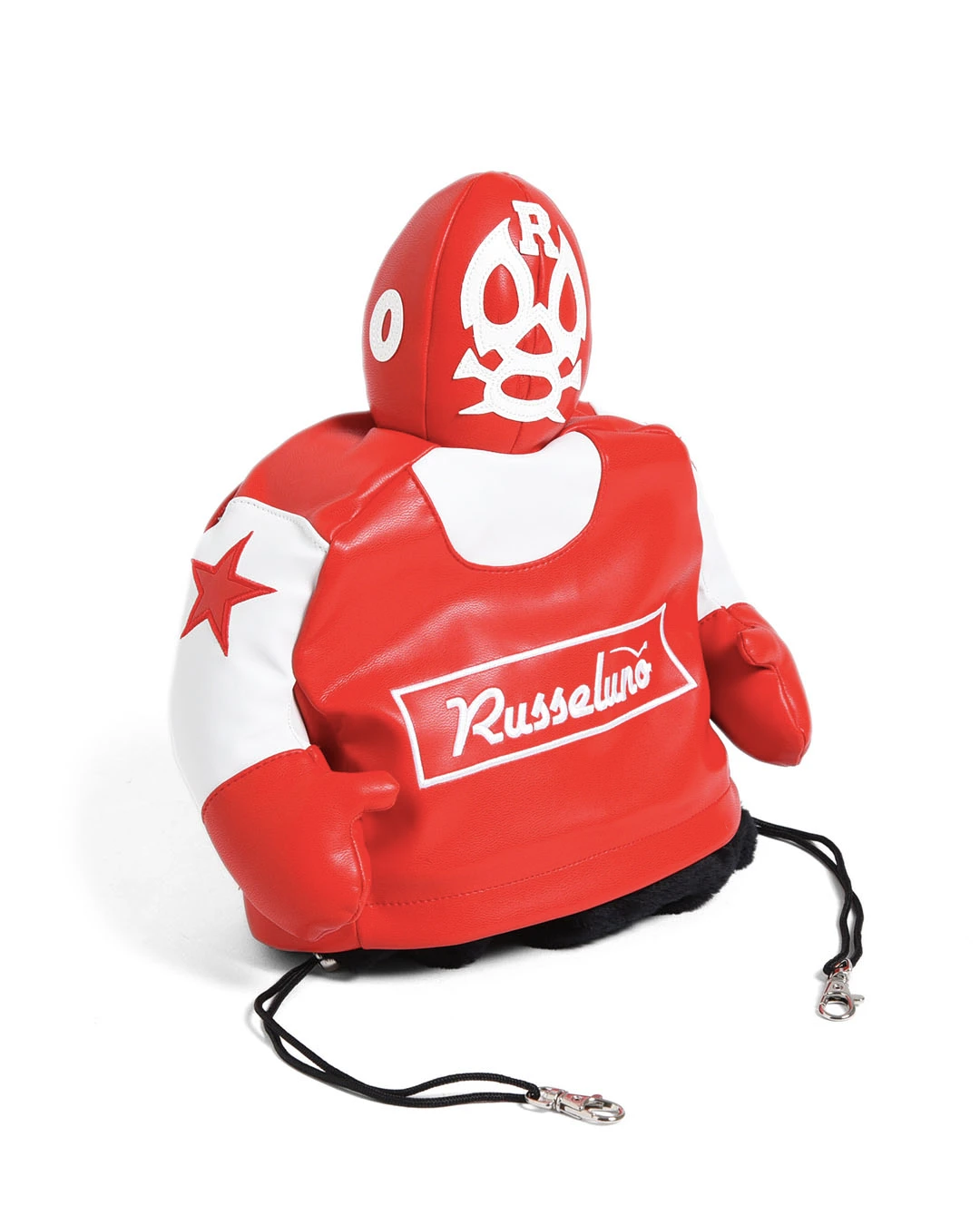
Japan’s golf accessory scene has room for products that are both practical and collectible. Russeluno’s LUCHA mask motif brings a distinctive streetwear sensibility to the golf course. Below, we group real product photographs by product family rather than repeating every colour as a separate product.
What is Russeluno?
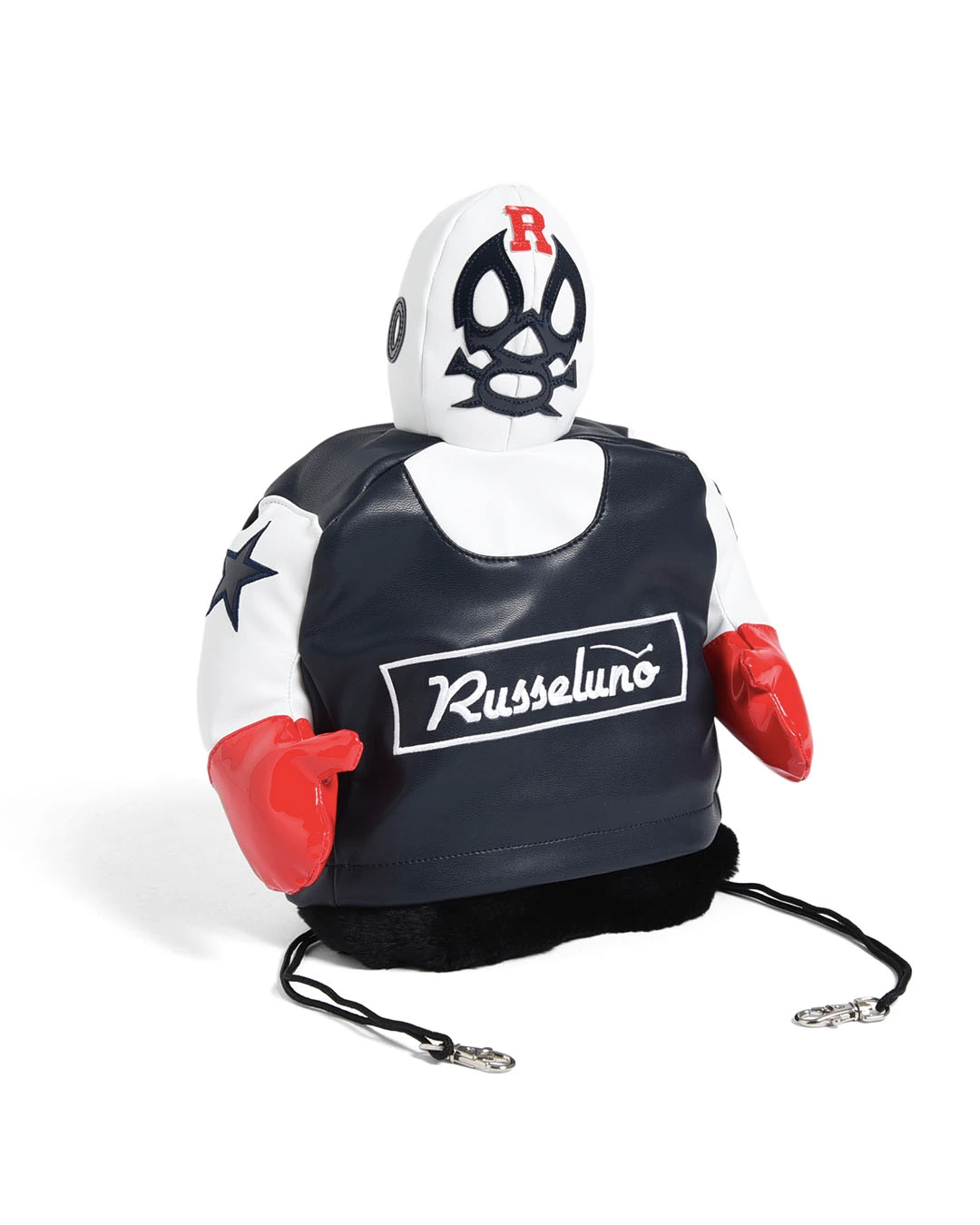
Russeluno is a Japanese golf fashion label with bold graphics, playful character design and a streetwear influence. Its signature masked LUCHA character appears on headcovers, putter covers, accessories and bags. The range is especially appealing to international visitors looking for Japanese golf products with a strong visual identity.
Prices: Japanese tax-inclusive official listed prices checked in November 2026. Colour availability and stock can vary. The photographs are grouped by appearance; verify the precise SKU and club fit on the linked product page before ordering.
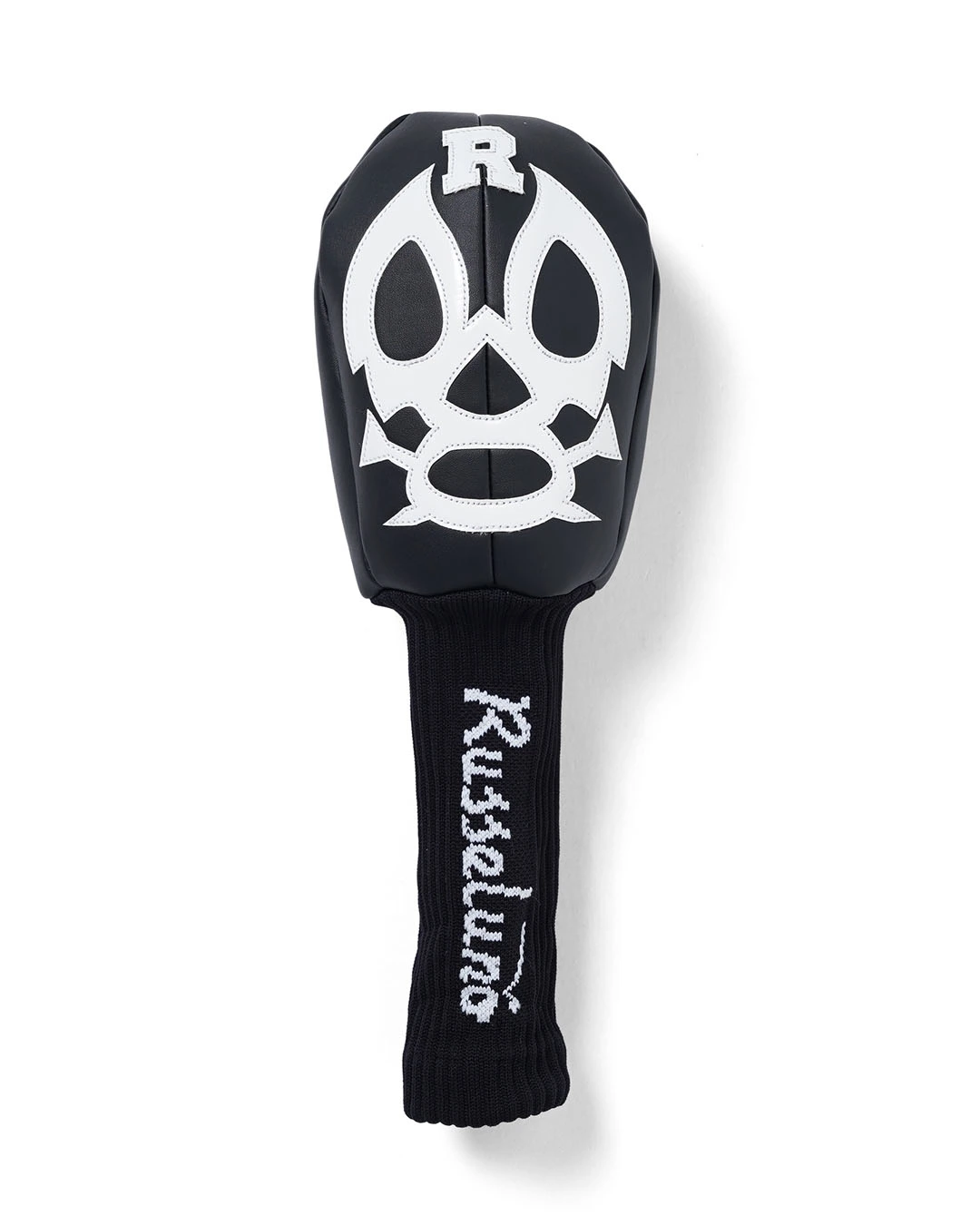
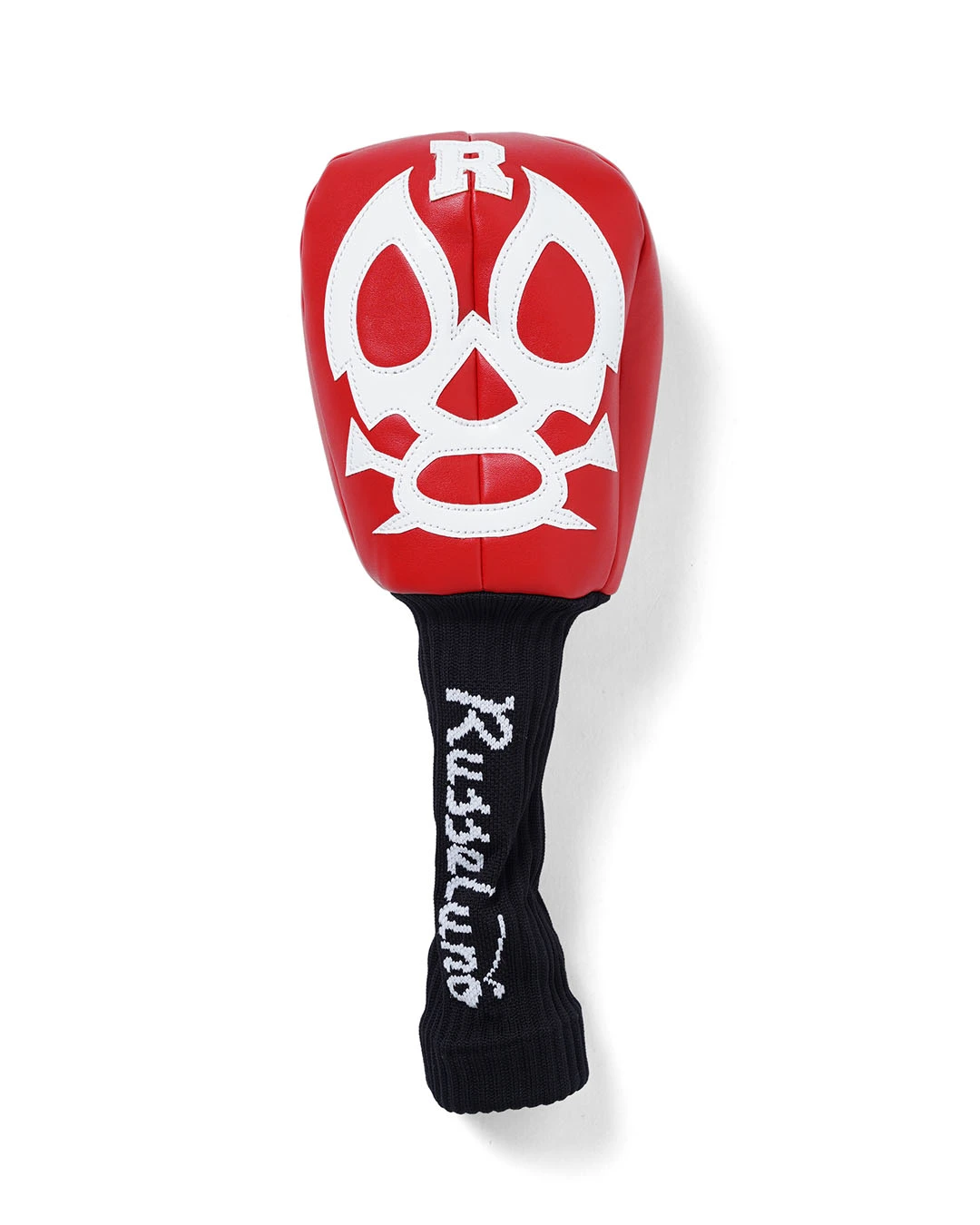
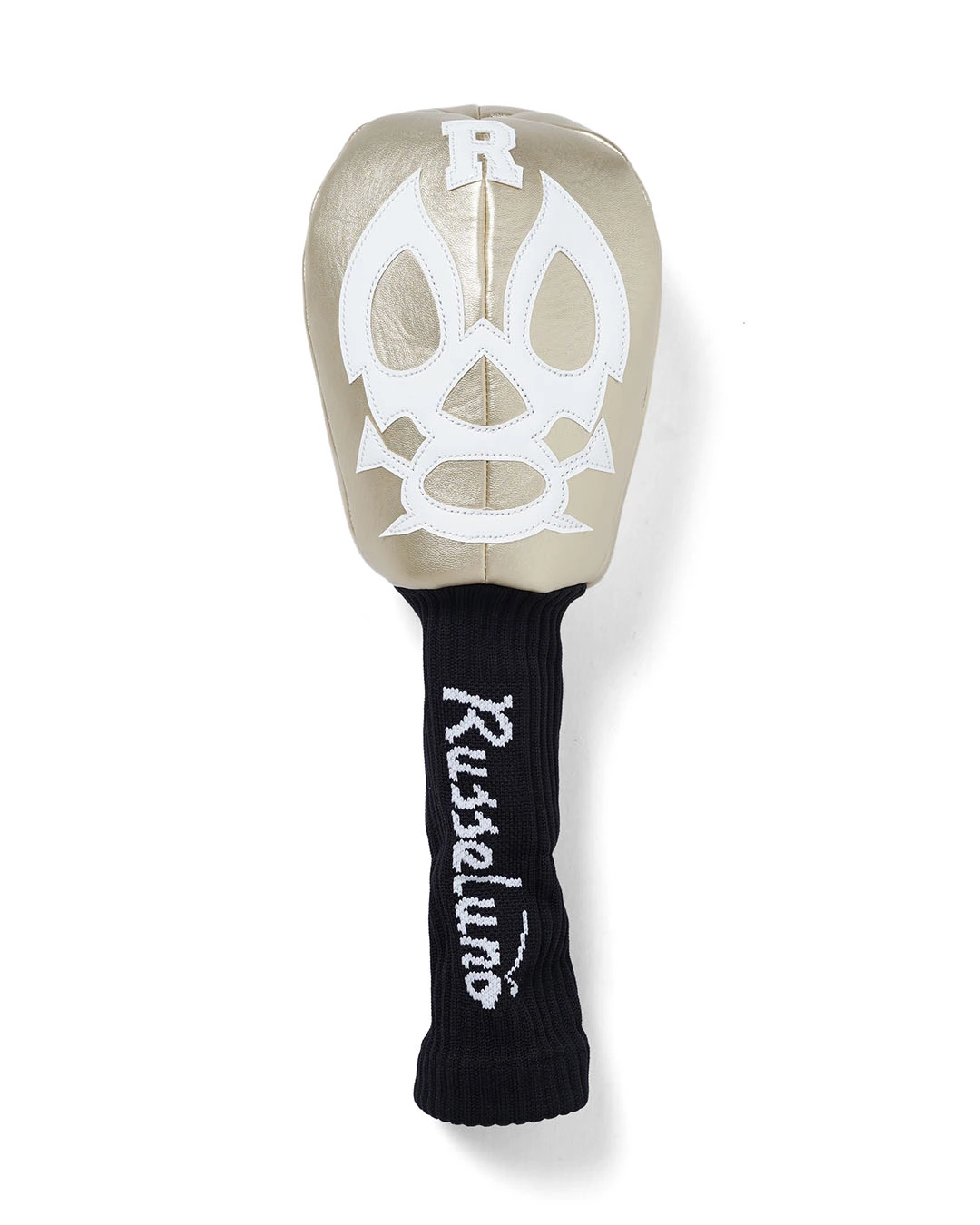
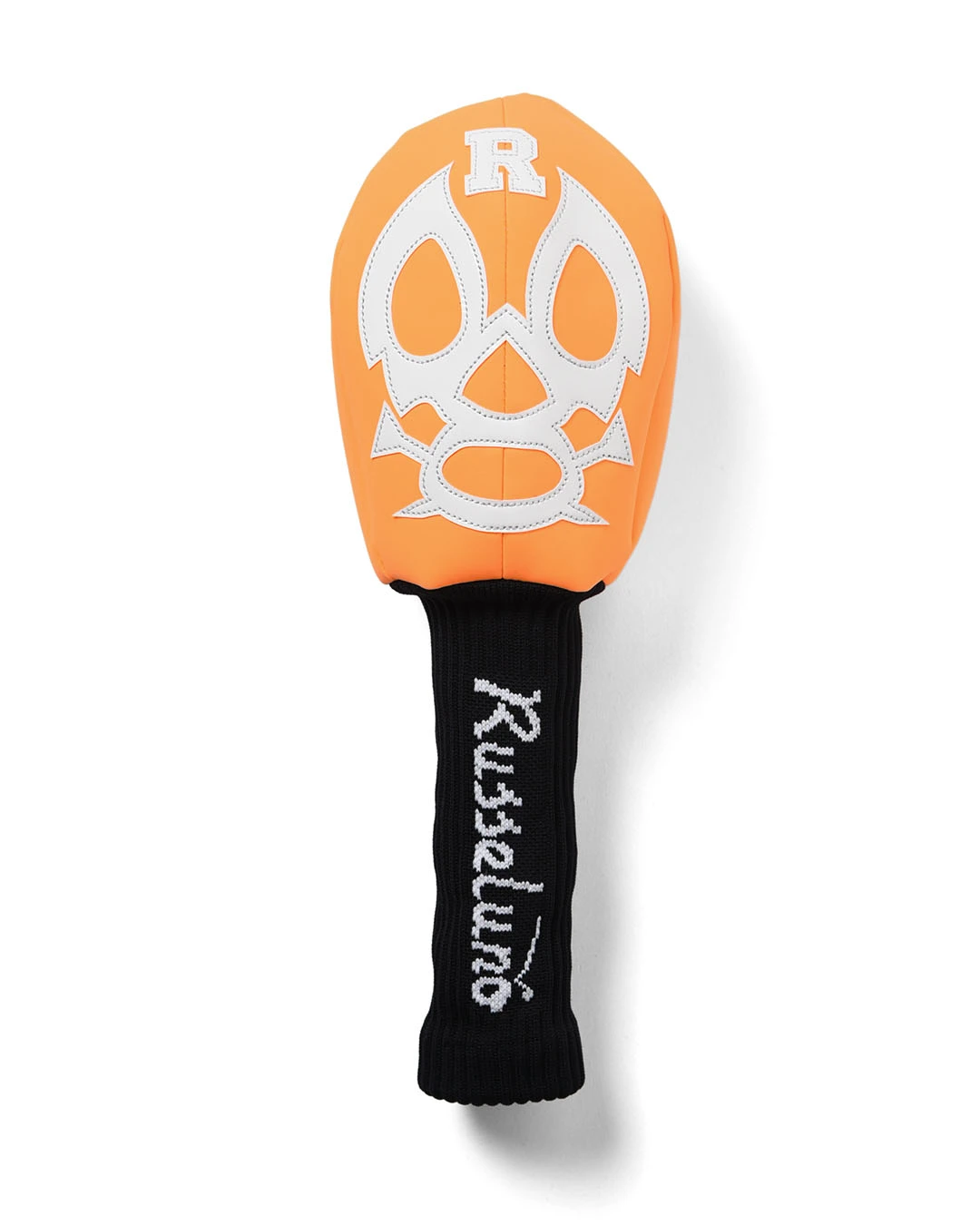
1. LUCHA H.C — driver, fairway wood and utility headcovers
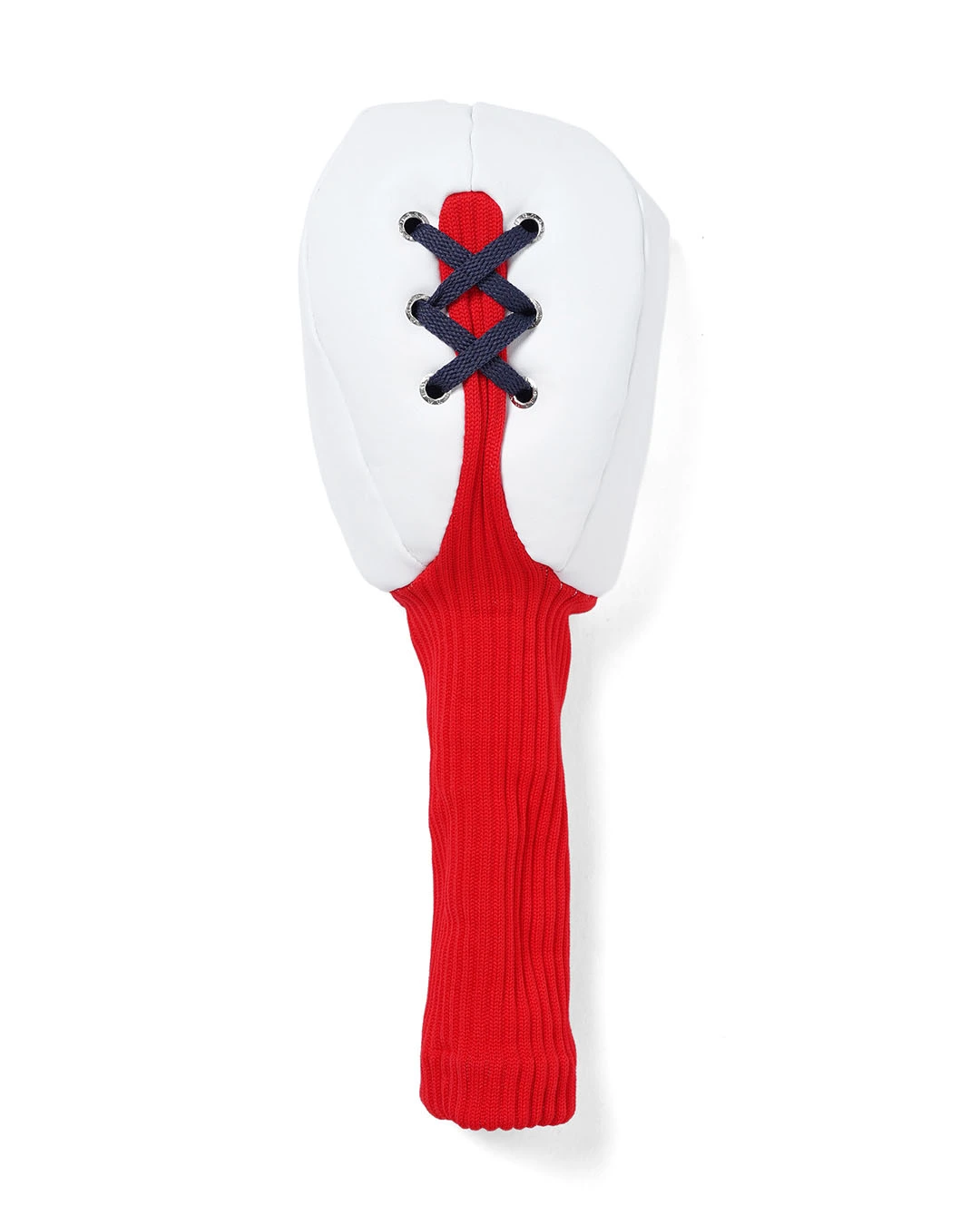
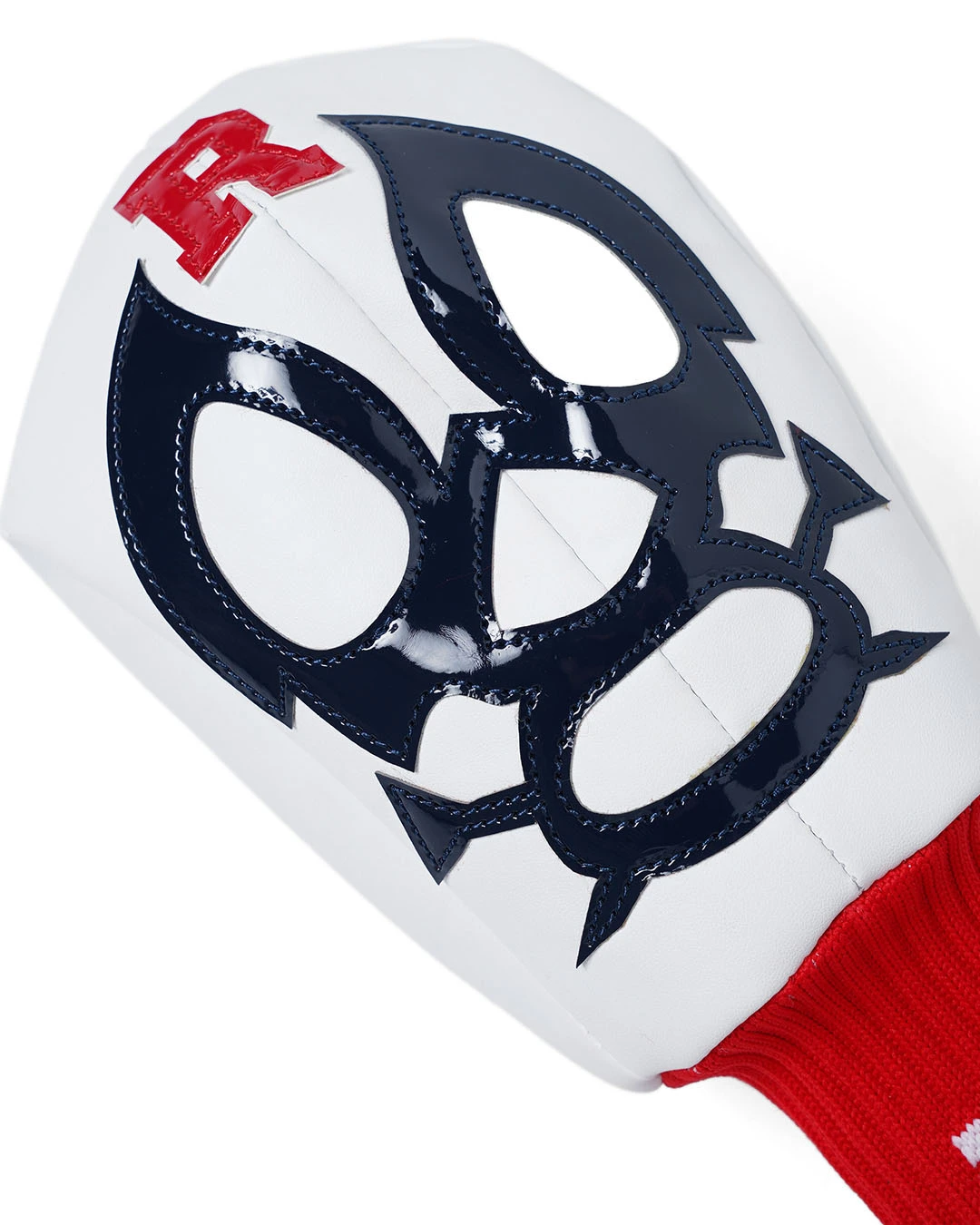
The standard driver cover is designed for heads up to 550cc. The brand lists multiple colours including black, red, tricolour, neon orange, white/green, silver and gold; the 2026 retailer range also includes blue and green. These photos show several mask designs and sizes, so the exact 1W/FW/UT type must be selected on the seller’s product page rather than inferred from colour alone.
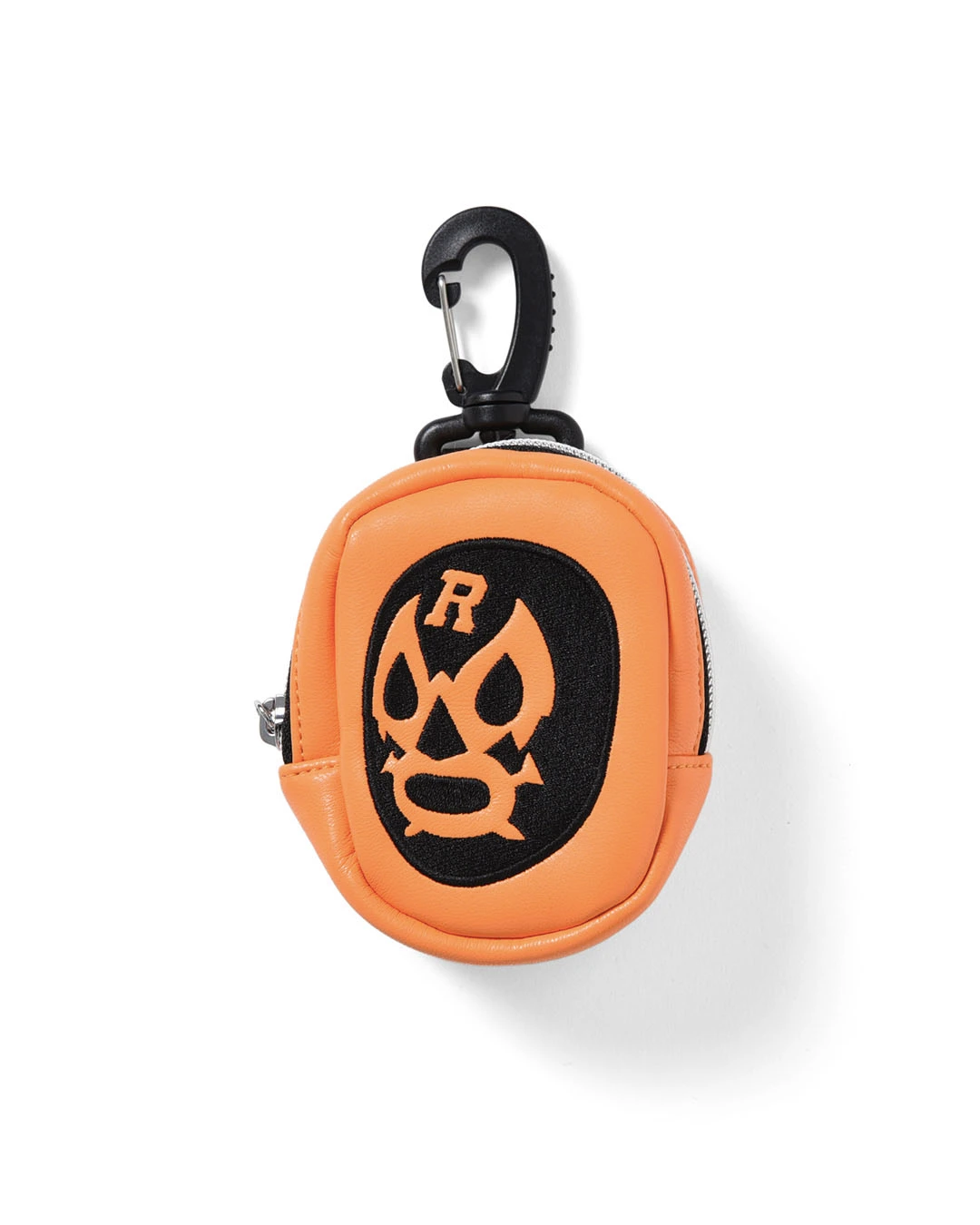
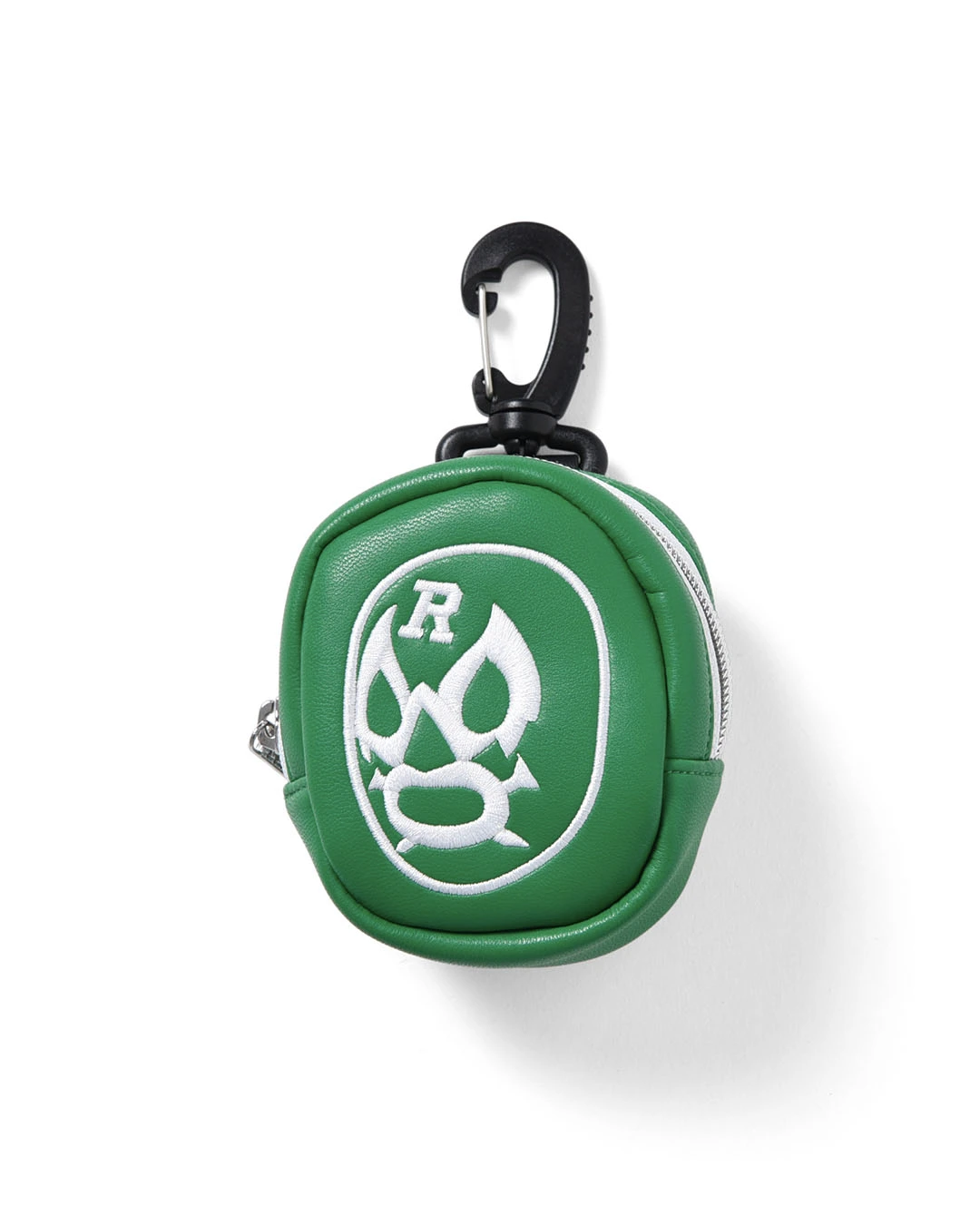
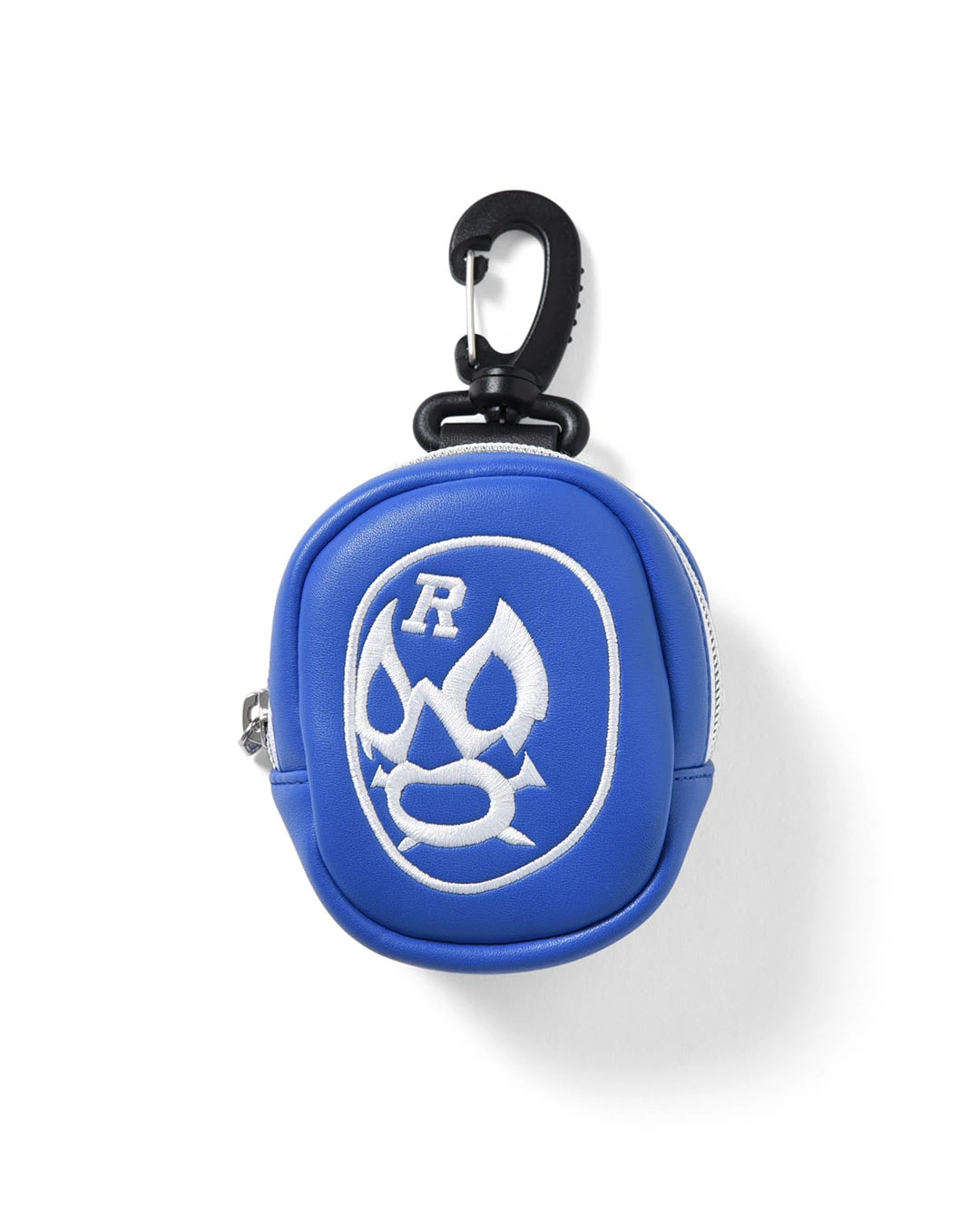
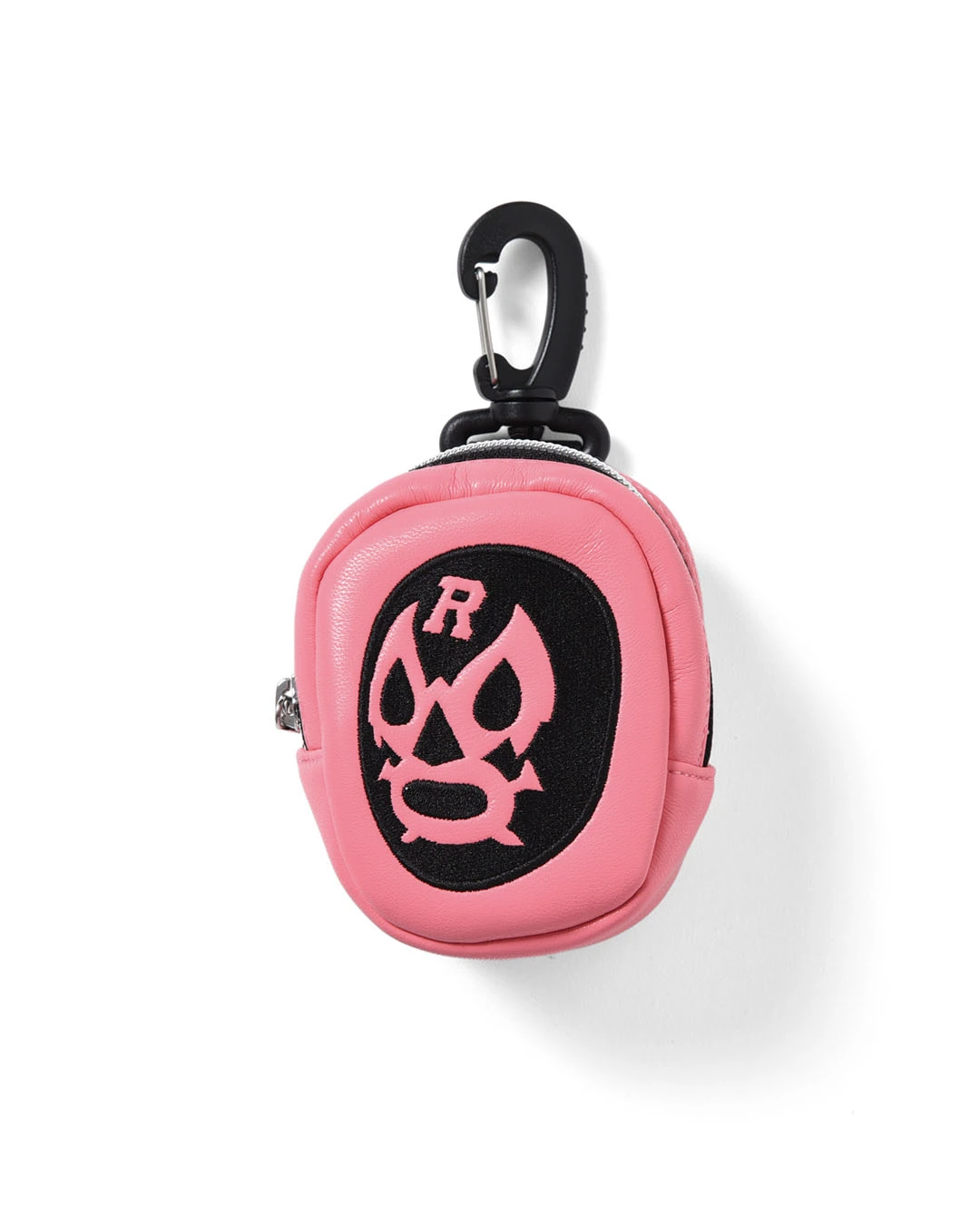
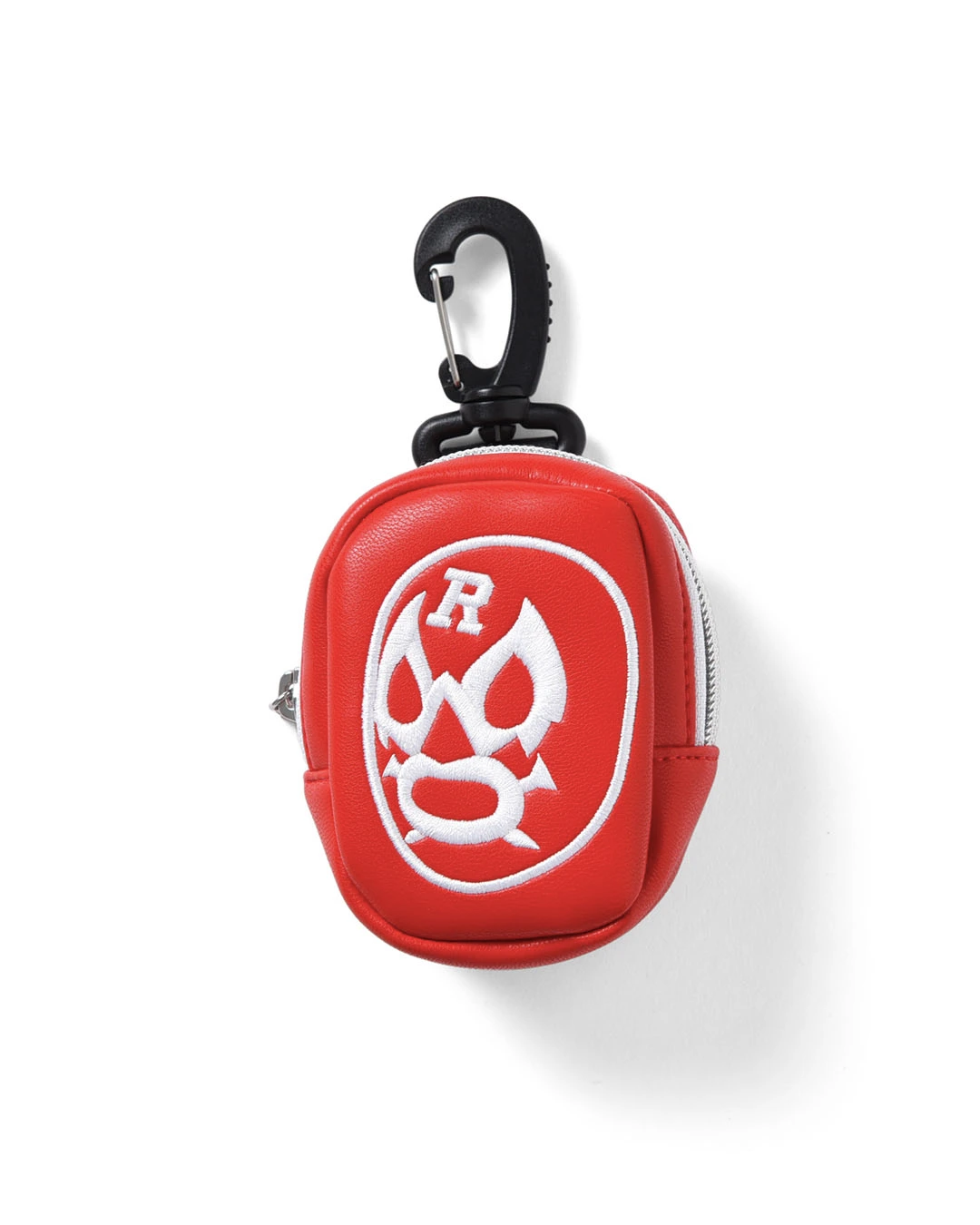
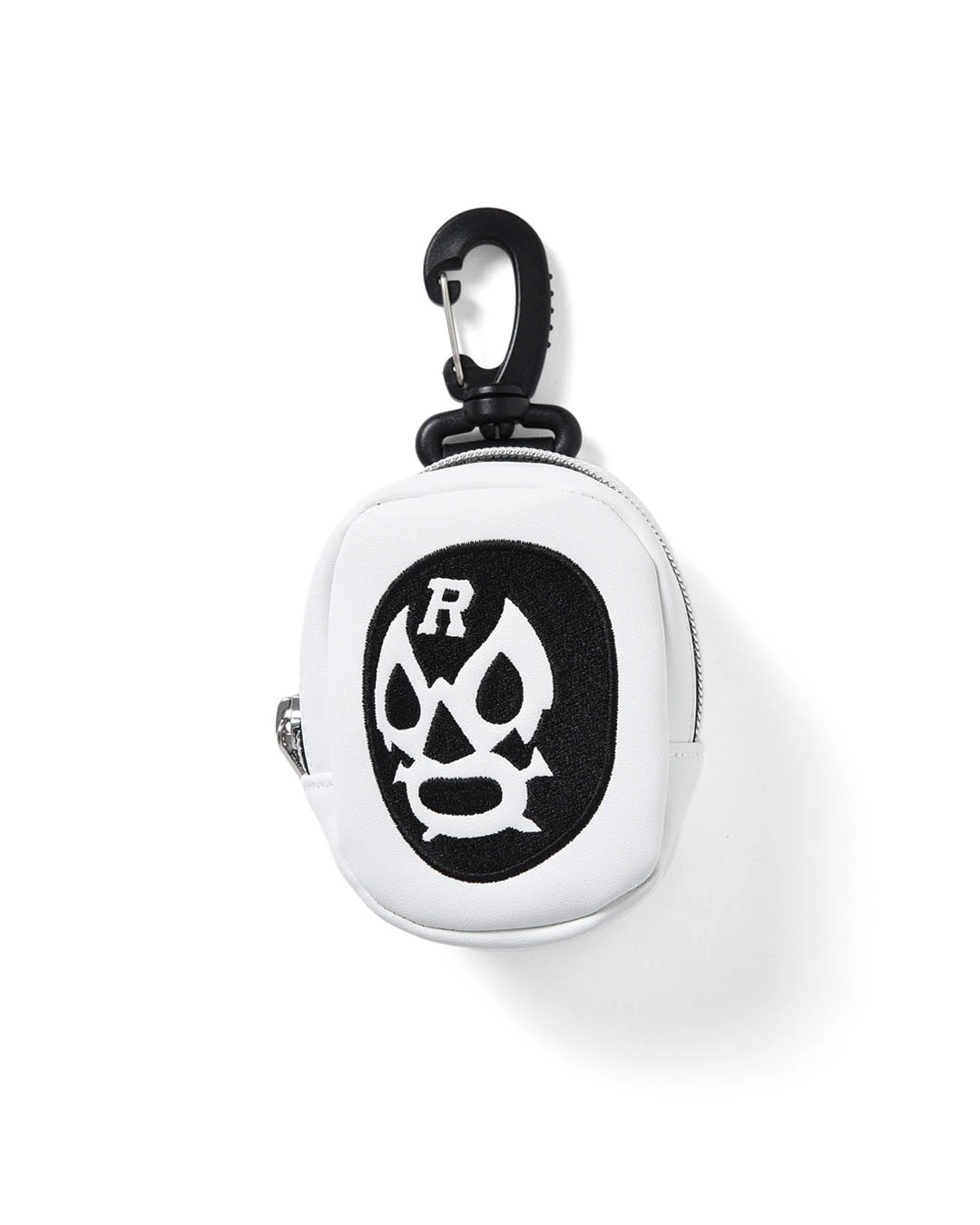
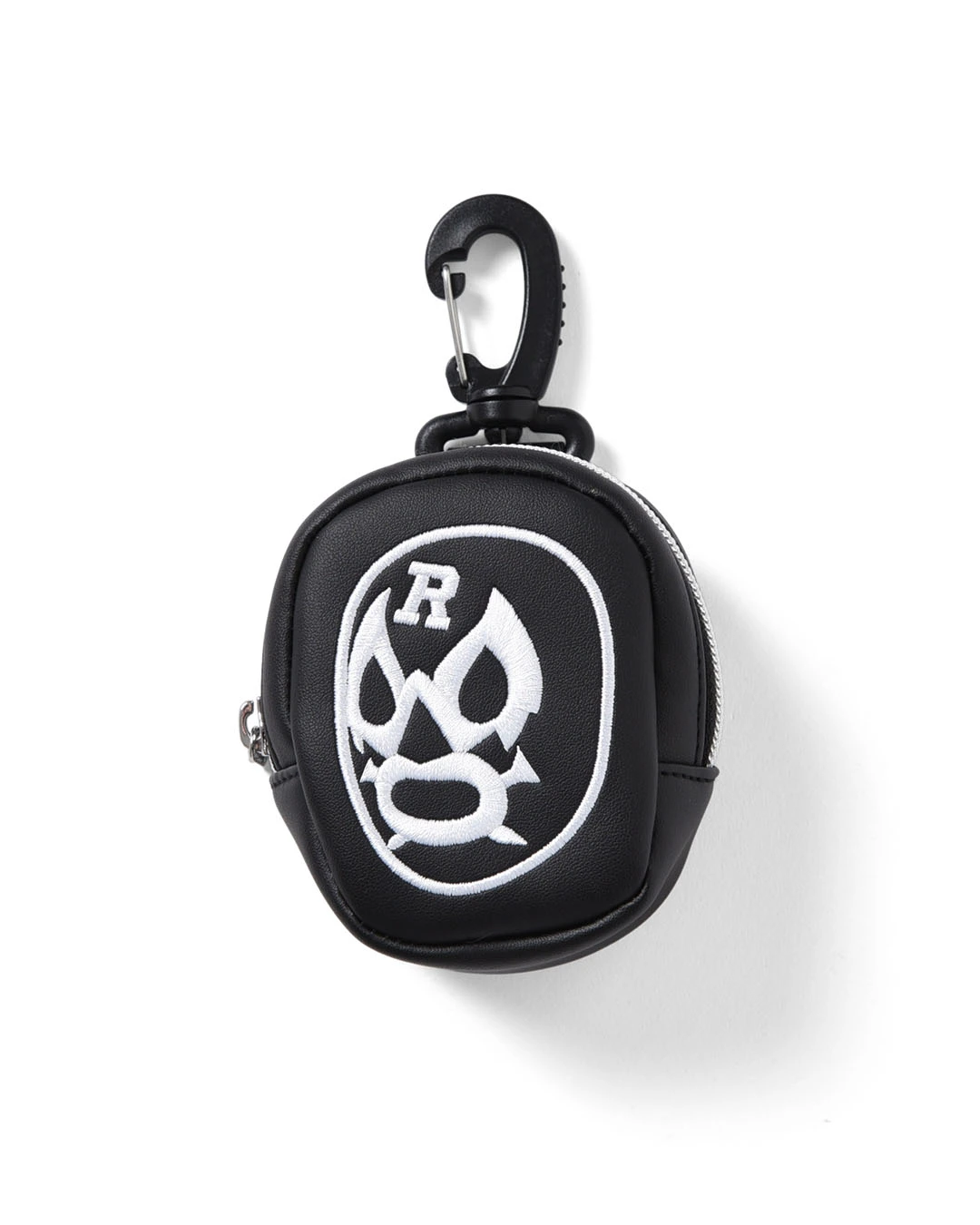
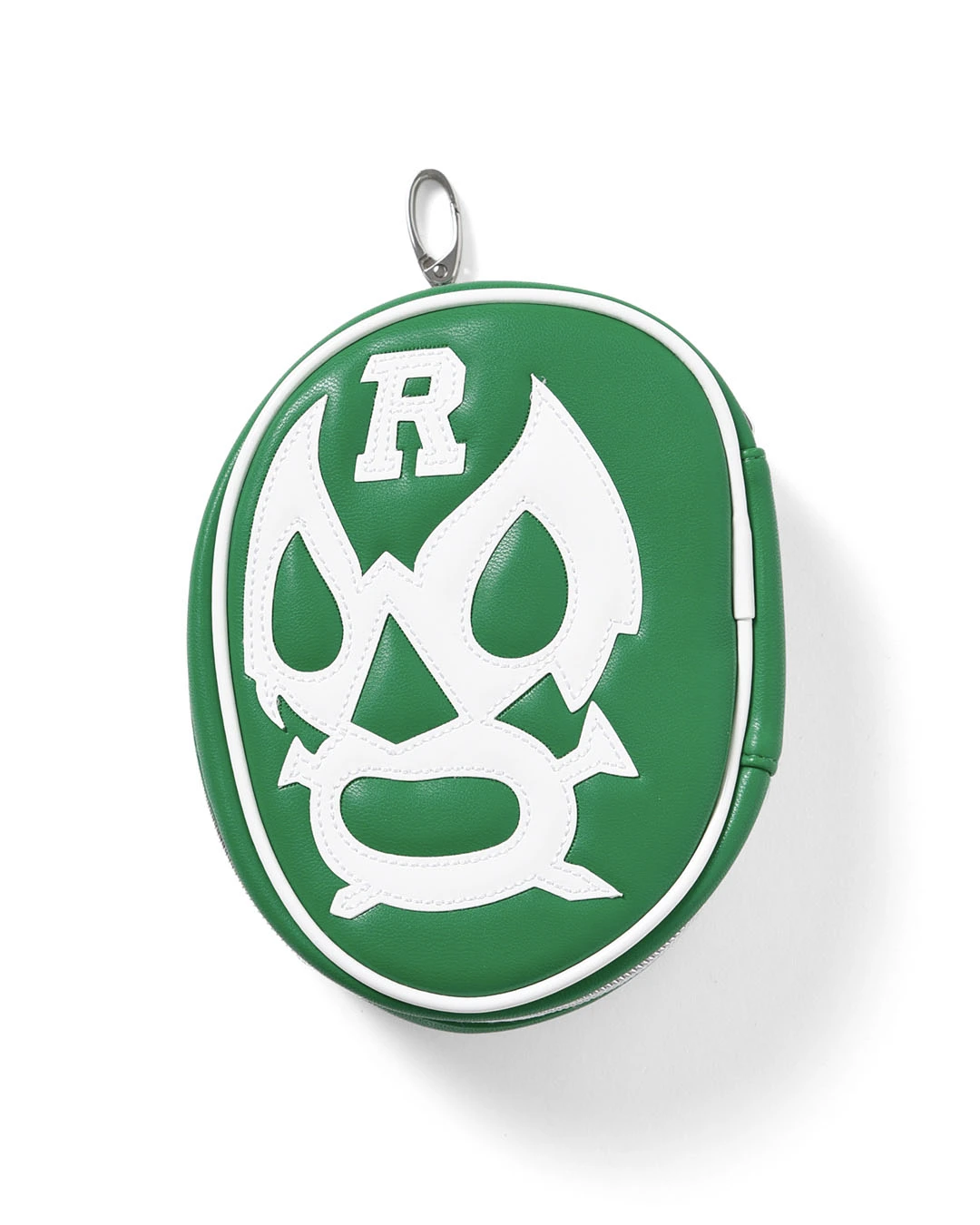
Compact mask-motif zip cases in multiple colours. The official catalogue uses both BALL POUCH and BALL CASE names for products at this price. Confirm the exact SKU, capacity and whether the pictured version is a current or older model before ordering.
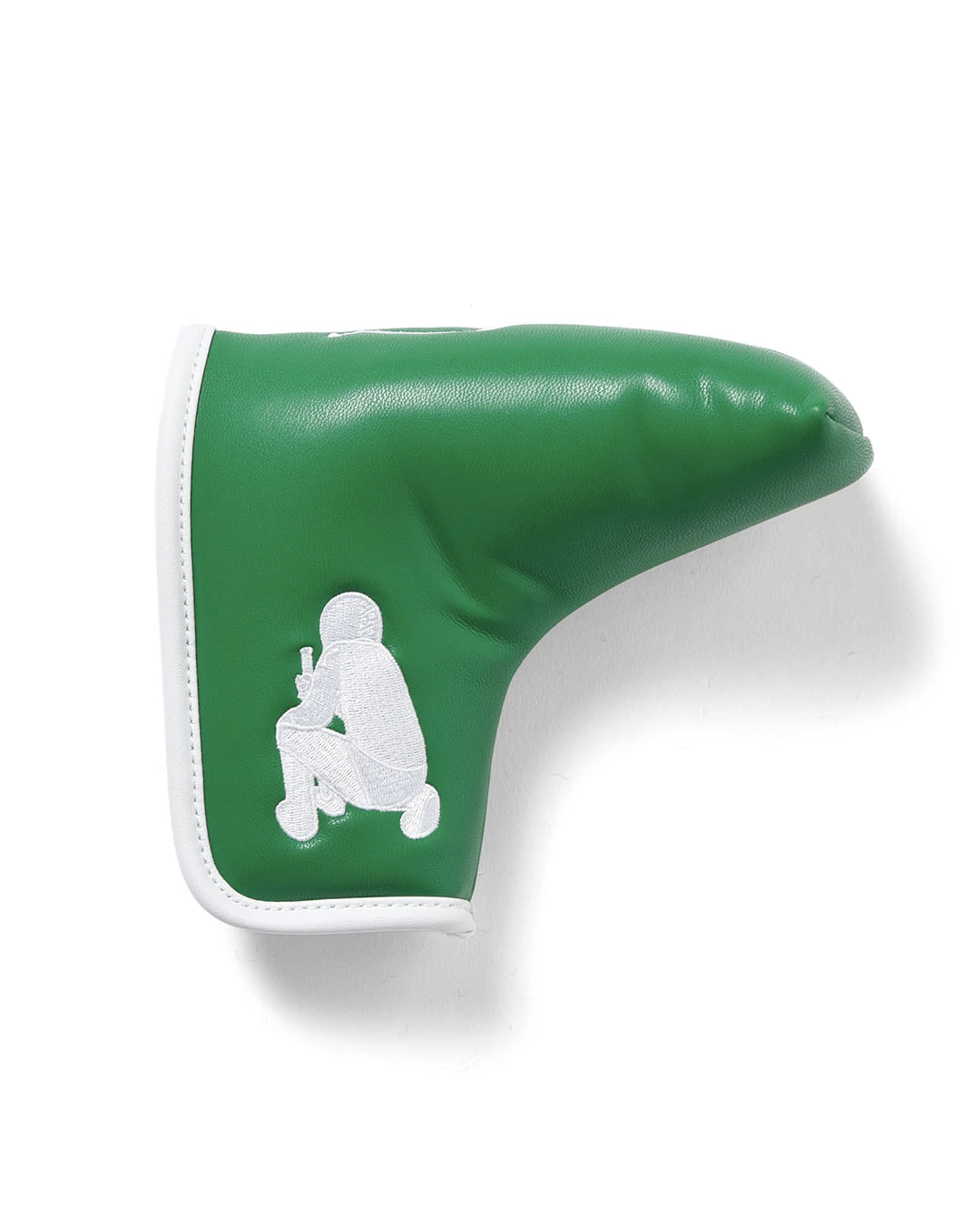
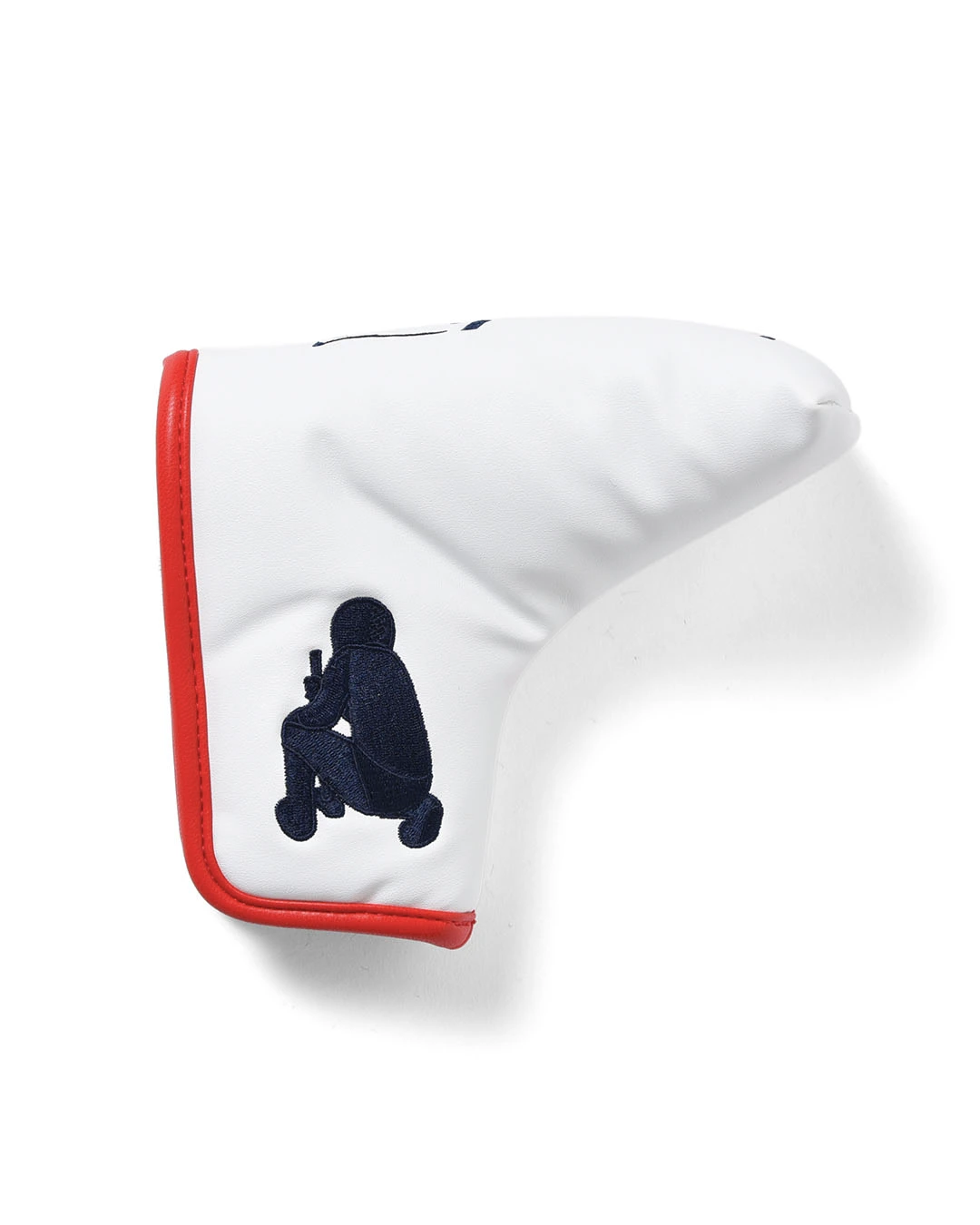
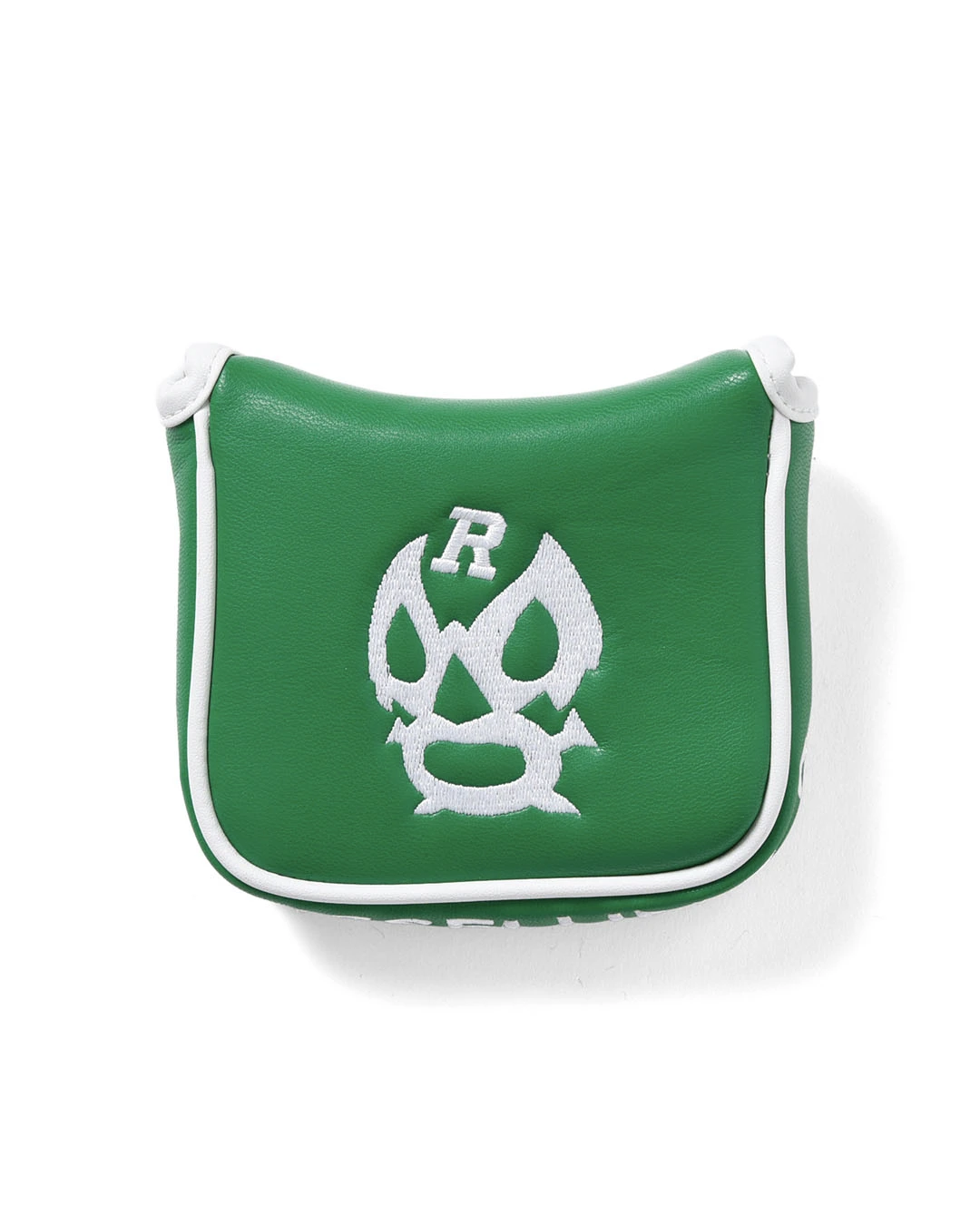
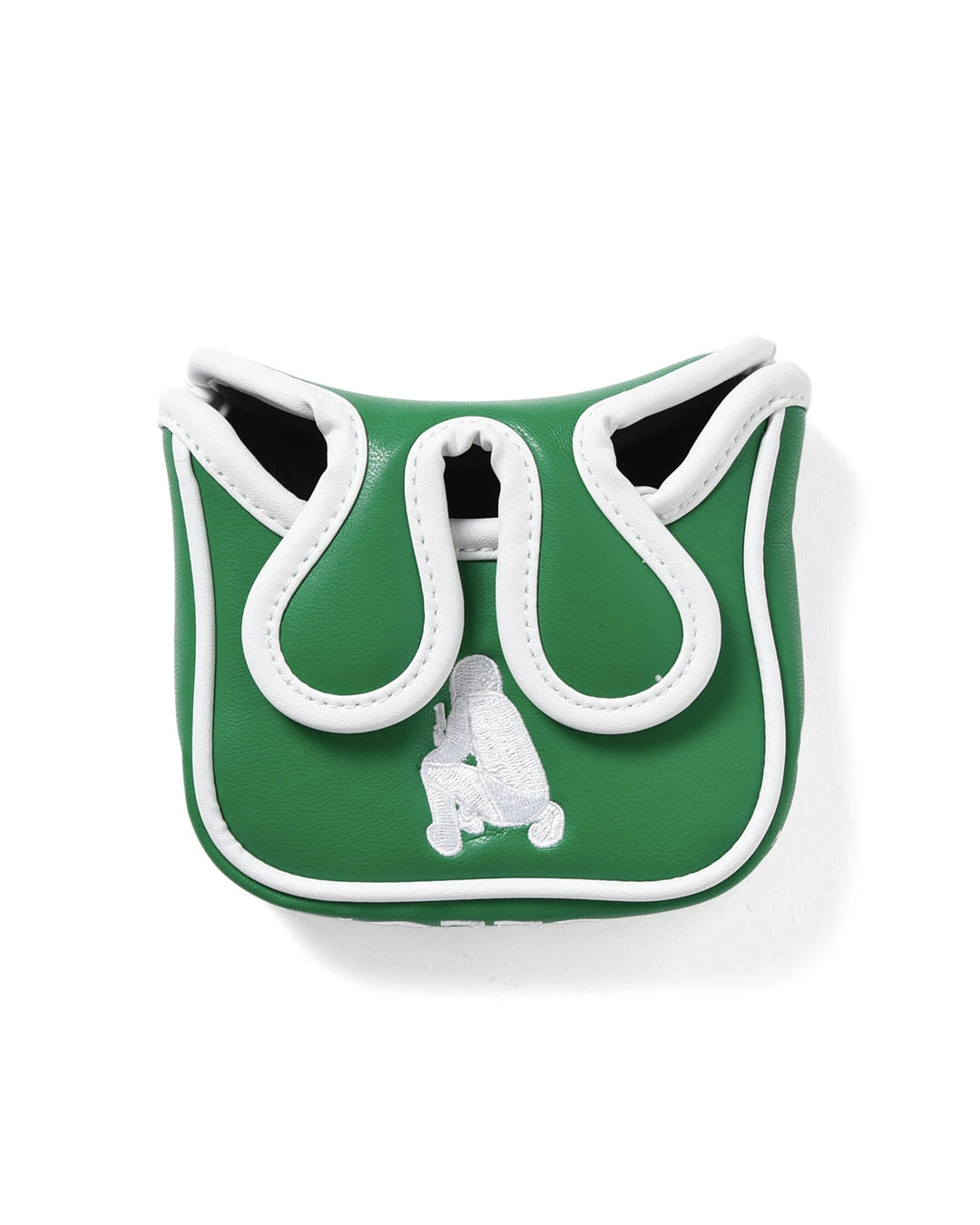
The official LUCHA MARKER is a glitter-finish metal ball marker in red, grey, green, black and white. Important: some uploaded images in this gallery depict mask-shaped accessories or cases rather than the flat metal marker; do not assume every pictured accessory is the ¥3,300 marker. Confirm the product against the official listing.
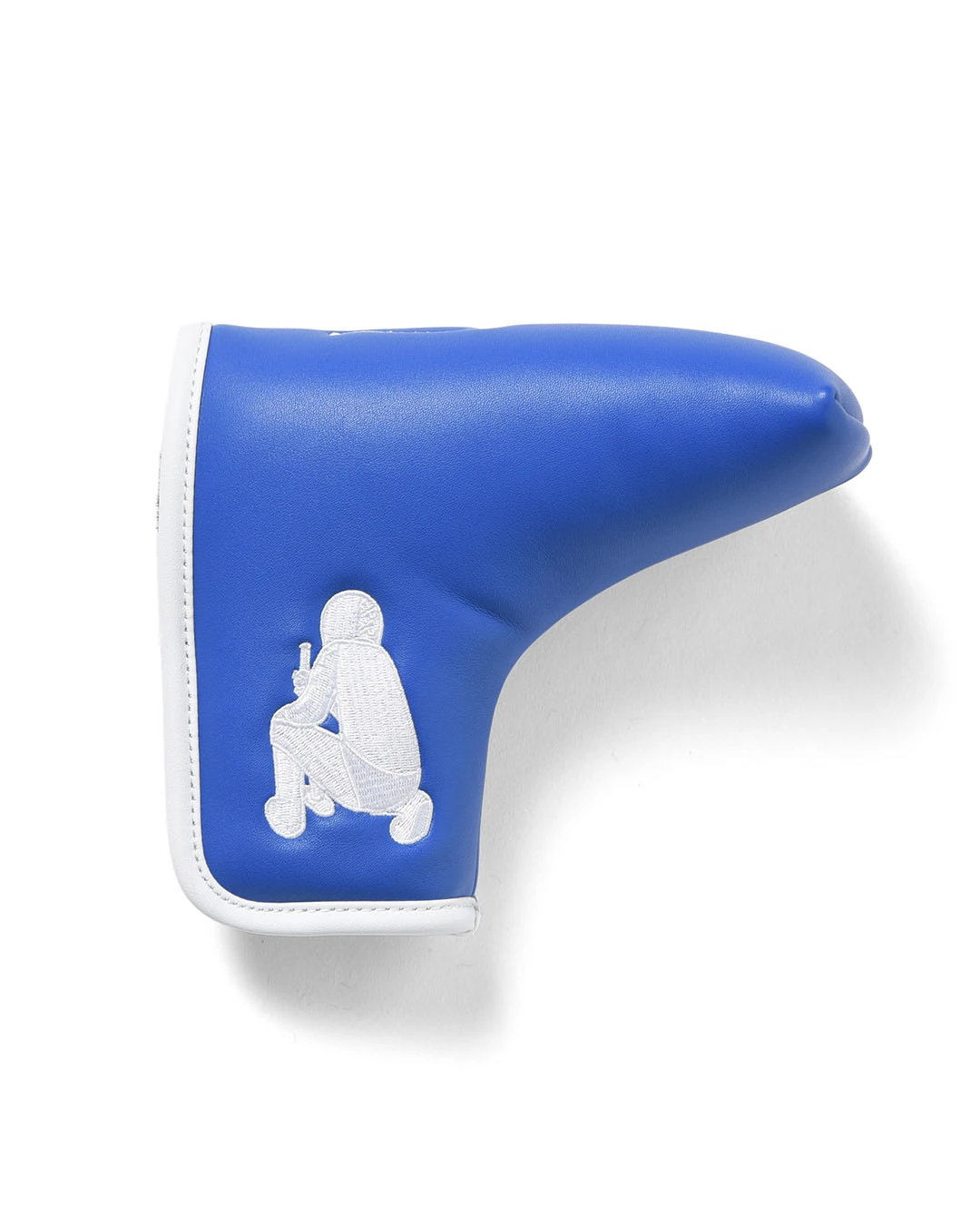
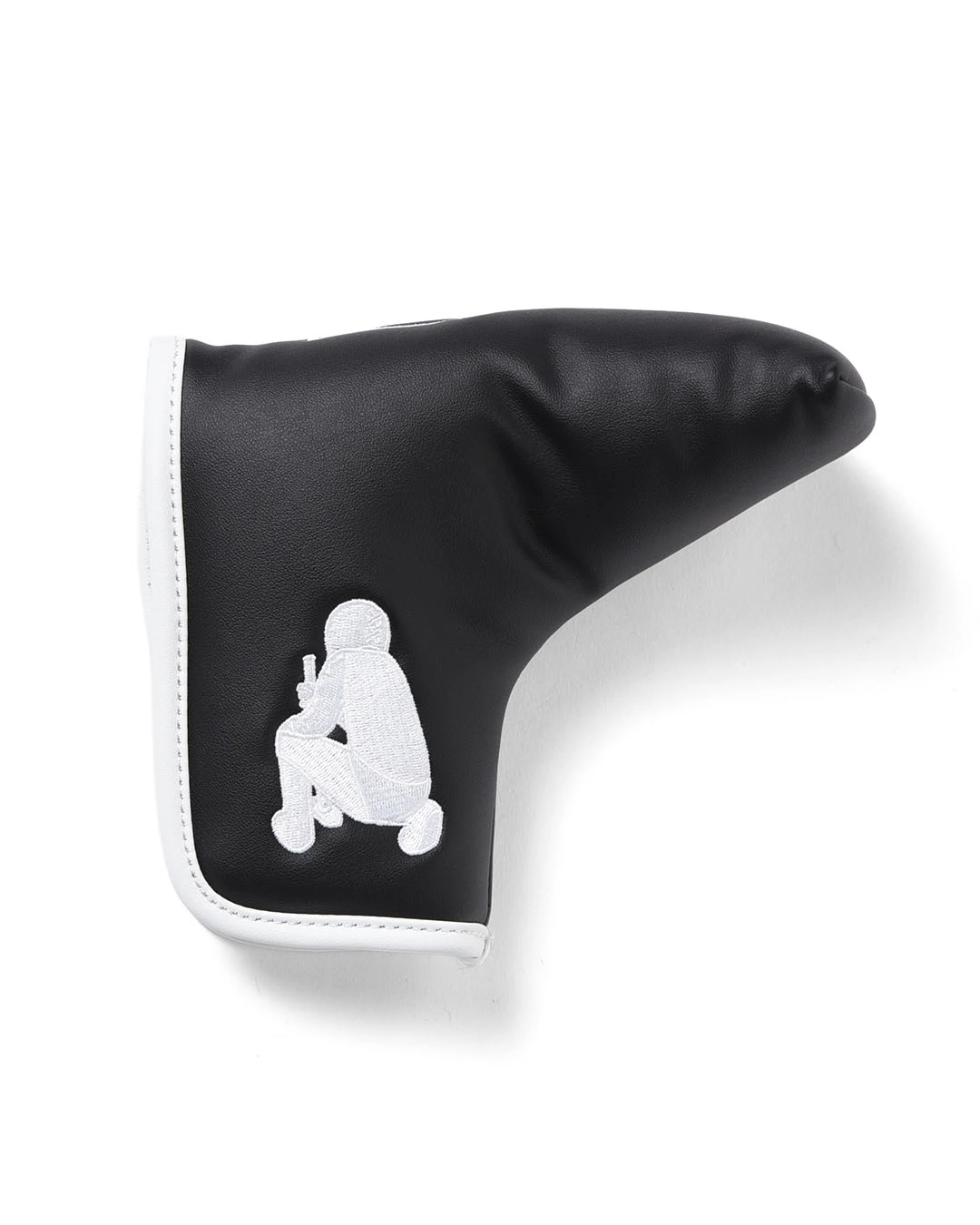
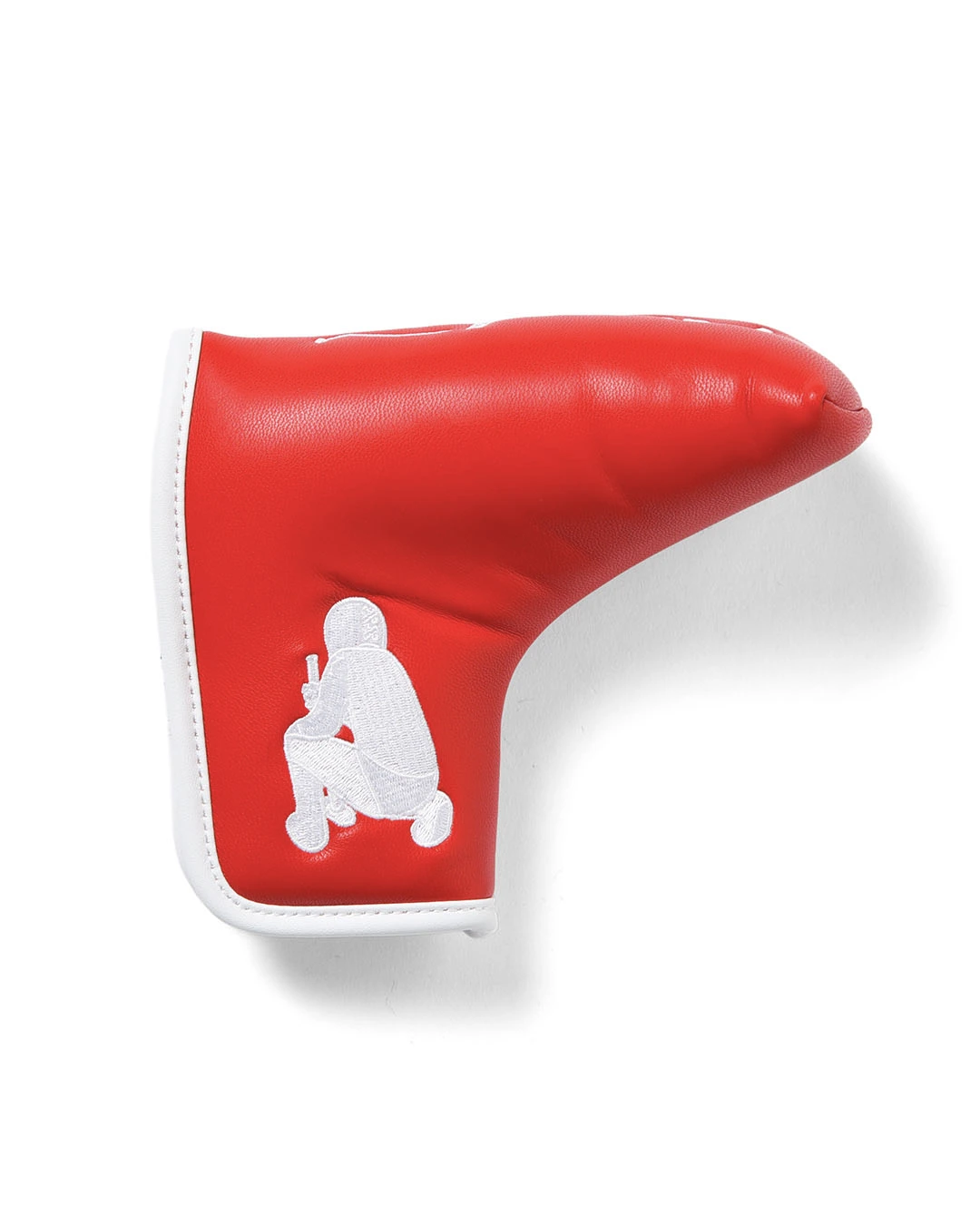
LUCHA PUTTER COVER MALLET: ¥6,600. The pictured boot-style covers are grouped by colour; confirm whether a particular photograph shows a blade/pin-type or mallet-type version. Current and earlier collections have different palettes: the official PIN listing names tricolour, black, red, silver and gold, while a retailer’s MALLET listing includes tricolour, black, blue, green and red.
Russeluno also lists a LUCHA SHOES CASE at ¥17,600, a LUCHA IRON COVER at ¥16,500 and a LUCHA BALL POUCH at ¥7,150. These are separate product categories; check the individual listing before assuming that a photographed character-style bag is a specific model. The ¥11,000 price refers to the LUCHA GOLF POUCH catalogue listing, not a guaranteed identification of every colour photo above.
One reason LUCHA attracts attention is that the same masked character can appear across several club categories. But colour alone does not tell you whether a cover is intended for a driver, fairway wood or hybrid. In the product name, 1W indicates a driver, FW a fairway wood, and UT a utility or hybrid. Buyers should confirm both the category and the manufacturer’s stated size compatibility. A visually matching three-piece set is useful only if every cover fits its intended club.
For putters, PIN generally refers to a traditional blade-style shape, while MALLET is intended for a wider head. Neck position and head dimensions vary, so even covers with the same design may not be interchangeable. If purchasing as a gift, ask the recipient for their putter model rather than choosing solely by colour.
Colour coordination: three ways to build a set
Classic black and white: A black-and-white LUCHA cover can be a strong accent on a neutral golf bag without clashing with existing accessories. It is a sensible starting point for a golfer who wants one statement piece.
Red as the signature: Red, white and black variants emphasize the wrestler-mask graphic and work particularly well when paired with a matching ball pouch or marker. Keeping the remaining accessories plain can make the character design stand out.
Mixed bright colours: Blue, green, orange and other vivid variants suit a more playful setup. A coordinated look does not require buying every accessory in the same colour: repeating one colour on the driver cover and putter cover can be enough.
These are styling suggestions, not official Russeluno sets. Availability varies by model and season; do not assume every colour pictured is offered for every club type.
What makes LUCHA interesting to collectors?
The masked face gives Russeluno a recognisable visual signature that carries from clothing into small golf goods. Unlike a logo-only accessory, the mask has enough personality to make even a single cover or pouch distinctive. It also makes LUCHA products easy to combine with simpler golf bags, caps and apparel. Collectors should distinguish a genuine colour variation from a different product generation, and an online-exclusive listing from a numbered limited edition; those terms are not interchangeable.
What to check before buying a discontinued colour
Older colours sometimes remain visible in retailer listings or resale marketplaces after they disappear from the current official collection. Before paying, compare the product name, condition, tags, dimensions and seller photos. Confirm whether the price is for a single cover or a set, and whether the item is new or used. Imported orders can incur forwarding fees and customs charges, making a seemingly inexpensive accessory significantly more costly.
Buying as a Japanese golf souvenir
For visitors, a marker or small pouch is easier to carry home than a full-size golf bag. A headcover is a more visible souvenir but requires the correct club type. If your trip is short, confirm stock and delivery timing before placing a domestic online order; shipping to a hotel should only be arranged after the hotel confirms it can accept packages for guests. Keep the order confirmation and packaging if you may need to exchange an incorrect size.
How to buy from Japan
Start with the official LUCHA collection, then compare the actual SKU, fit and colour at a reputable Japanese retailer. The official domestic shipping fee is ¥700, with free shipping on orders of ¥15,000 or more; that does not establish international shipping eligibility. Overseas customers should check checkout destinations, forwarding fees, duties and return conditions before paying. Stock varies by colour, and an online-exclusive listing does not necessarily mean a limited edition.
Editorial note: Product families and prices are verified against Russeluno’s official listings; uploaded colour photographs are grouped visually. Where exact item codes cannot be confirmed from the images alone, the article explicitly directs readers to verify the SKU rather than presenting a potentially wrong product identification.
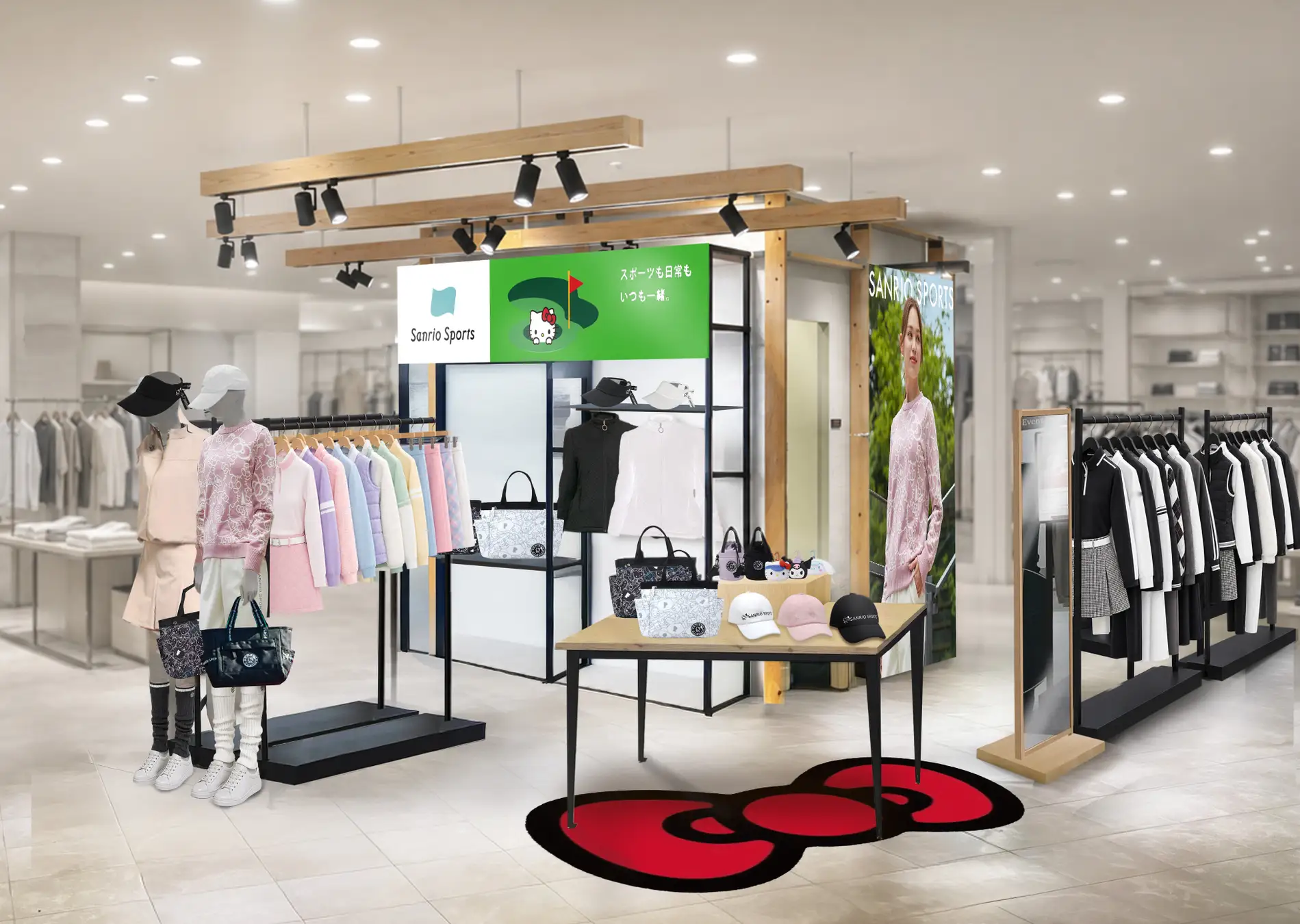
Sanrio Sports brings Hello Kitty into the world of golf fashion. For travelers visiting Japan in November 2026, a limited-time pop-up at JR Nagoya Takashimaya offers a chance to see golf-inspired clothing and accessories with one of Japan’s best-known characters.
Where and when is the Nagoya pop-up?
Venue: JR Nagoya Takashimaya, 4th floor, 1-1-4 Meieki, Nakamura-ku, Nagoya, Aichi, Japan. The department store is directly connected to Nagoya Station, making it convenient for visitors arriving by Shinkansen or local rail.
Dates: November 4–17, 2026. Hours: 10:00 a.m.–8:00 p.m., with the final day scheduled to close at 6:00 p.m. Verify hours and stock with the store before traveling.
Sanrio Sports mixes playful Hello Kitty graphics with golf-friendly apparel and small accessories. The assortment makes the event especially interesting to visitors seeking Japanese character merchandise that can be used or displayed on the golf course. Product availability may change throughout the event.
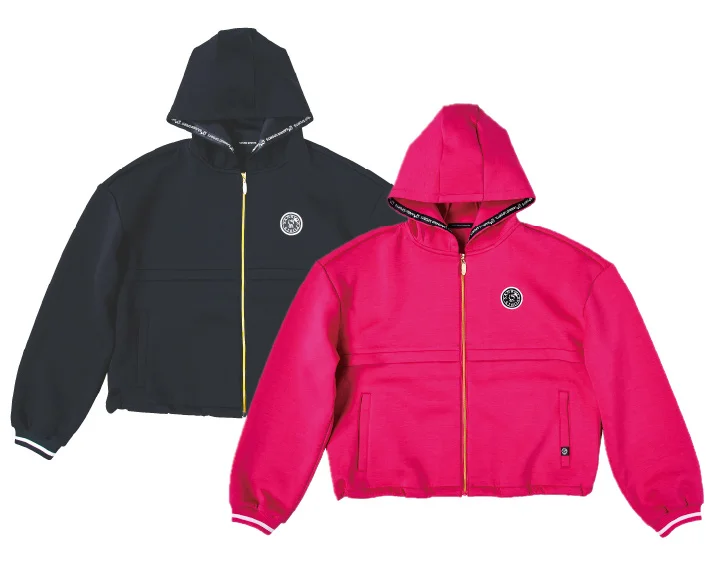
Pop-up-exclusive hoodie — ¥24,200
A hoodie is a practical way to incorporate character design into an off-course or casual golf outfit. Check sizing and fabric details on the garment label at the store.
Sanrio Sports apparel photographed for the pop-up coverage.
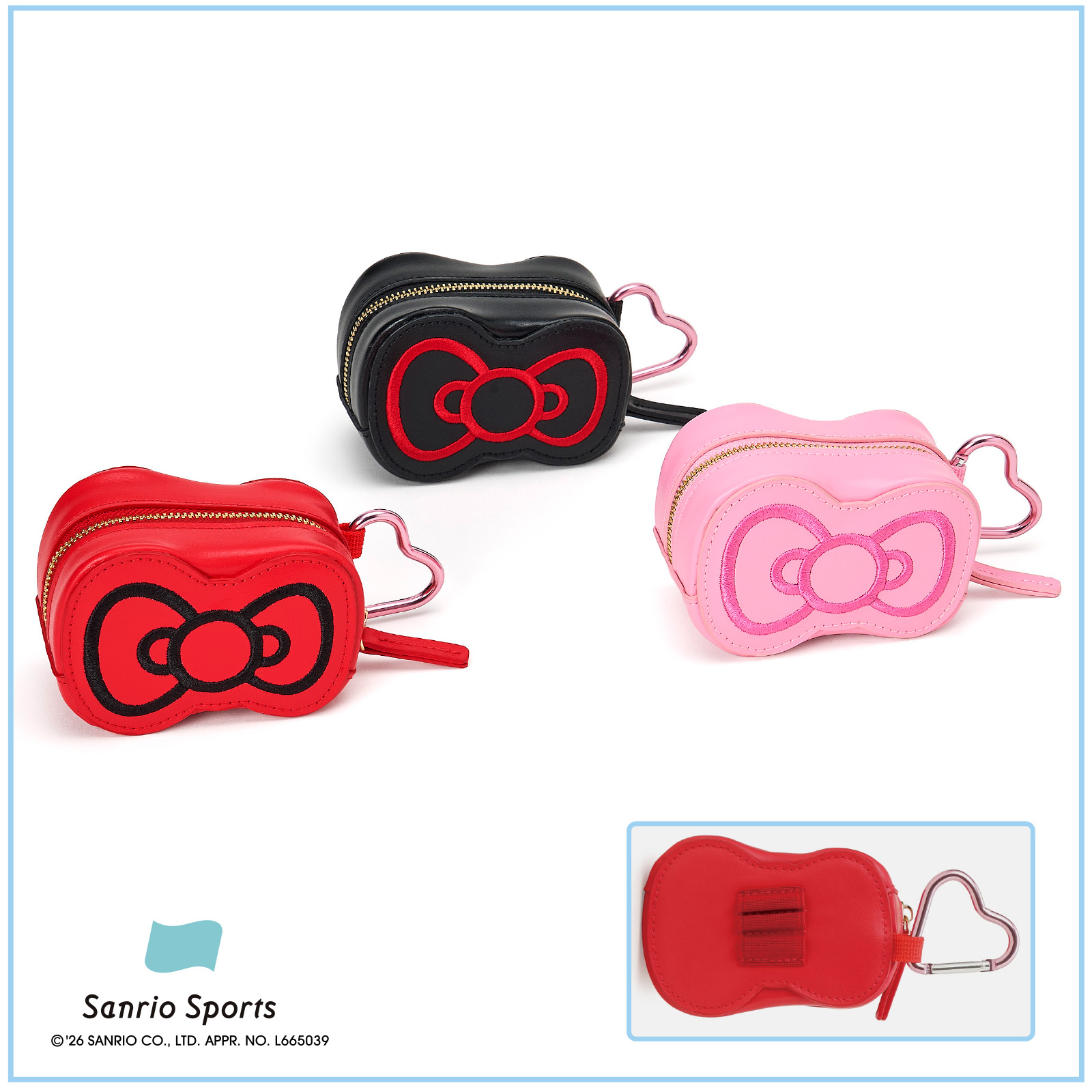
Ribbon ball pouch — ¥7,150
The ribbon-themed ball pouch is a compact accessory for carrying golf balls and makes an easy-to-pack gift. Confirm attachment style and actual capacity before purchase.
Ribbon-themed golf accessories.
Tweed cap — ¥8,800
A tweed cap offers a more fashion-oriented alternative to a conventional performance golf cap. For a round of golf, check fit, ventilation and any course dress-code requirements.
More apparel and gifts
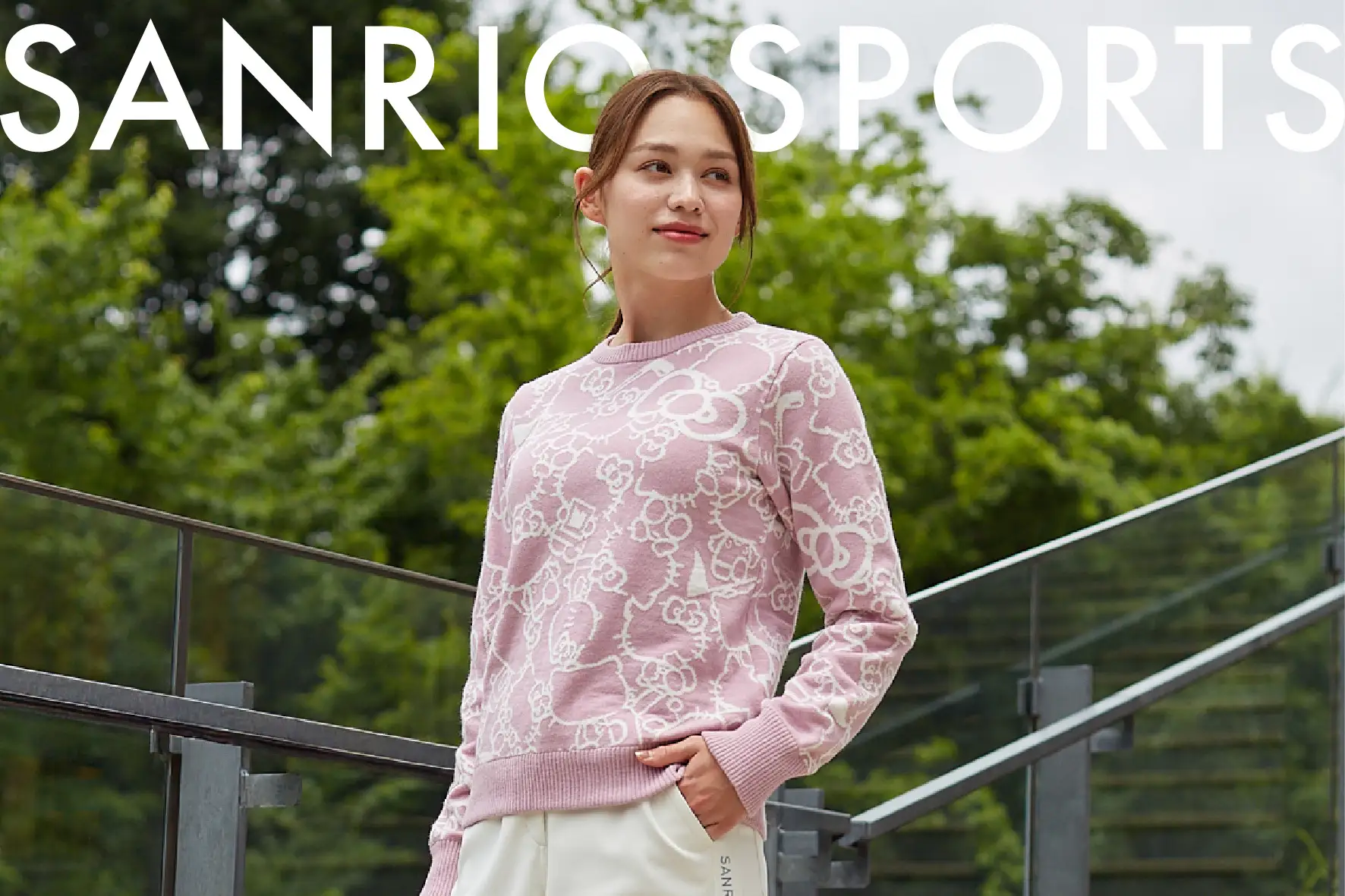
Additional sweaters and clothing form part of the display. The assortment is better understood as a combination of golf fashion and character collectibles than as a conventional technical equipment launch.
A pink sweater from the Sanrio Sports display.A view of the Sanrio Sports merchandise display.
Purchase gift and availability
According to the event information, customers spending ¥20,000 or more may receive a promotional eco bag while supplies last. Gift conditions, eligible purchases and remaining stock should be checked directly at the counter; the promotion is not guaranteed for every shopper.
Prices above are Japanese yen, tax included as advertised for the event. Inventory, colors and sizes are subject to change. We have not verified tax-free shopping eligibility, overseas shipping or English-speaking staff at this specific pop-up, so travelers should ask the department store before making plans based on those services.
How to visit from Tokyo, Osaka or Kyoto
Take the Tokaido Shinkansen to Nagoya Station. JR Nagoya Takashimaya is located in the station complex, so a separate taxi ride is generally unnecessary. This makes the pop-up a possible stop during a wider Japan golf trip, even without booking a tee time in Nagoya.
Why this matters to golfers visiting Japan
Japanese golf retail is not only about drivers and irons. Character collaborations, collectible headcovers, small pouches and fashion accessories are an important part of the shopping experience. Sanrio Sports offers a distinctly Japanese take on golf lifestyle merchandise, with items that are easier to bring home than a full set of clubs.
Editorial note: The article describes the November 2026 pop-up and uses photographs already supplied to Golf Signal From Japan. No AI-generated product images are used.
Kisarazu City in Chiba Prefecture offers a refreshingly accessible escape from the fast-paced environment of central Tokyo. Situated just across the Tokyo Bay Aqua-Line, this coastal destination provides a distinct seaside atmosphere that feels miles away from the capital’s towering skyscrapers and crowded concrete streets. For international travelers looking to combine a relaxing vacation with world-class recreation, the region serves as an exceptional hub for golf trips. Nestled right along the waterfront in Kisarazu’s Torizaki Seaside Park lies Torizaki Club, a unique lifestyle complex that redefines how visitors experience a coastal getaway in Japan. Comprising an intimate six-room accommodation facility alongside authentic Edomae sushi dining, fresh seafood eateries, a specialty cafe, and an advanced indoor golf simulation lounge, Torizaki Club delivers a comprehensive hospitality experience. For global golf enthusiasts planning an itinerary in Japan, this boutique destination offers the ideal setting to balance athletic pursuits with deep relaxation, making the hours before and after a round of golf just as memorable as the game itself.
An Intimate Coastal Retreat: All-Room Ocean Views
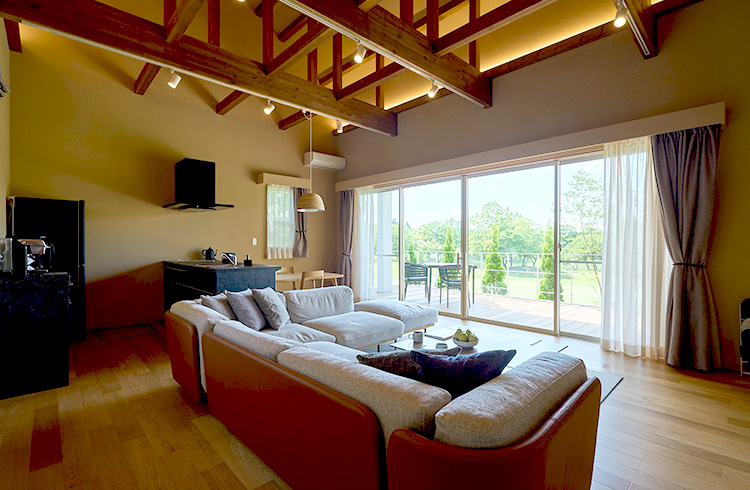
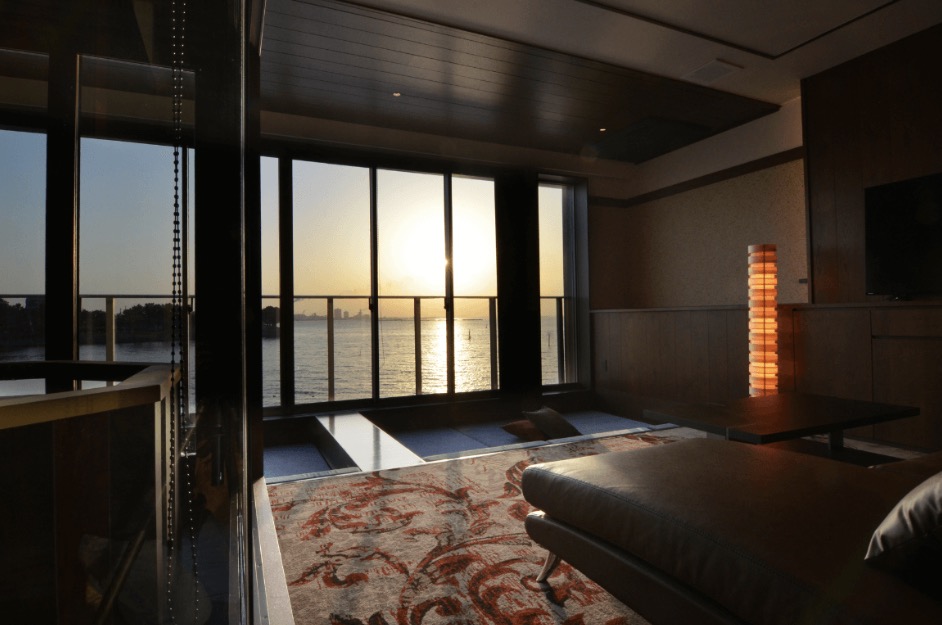
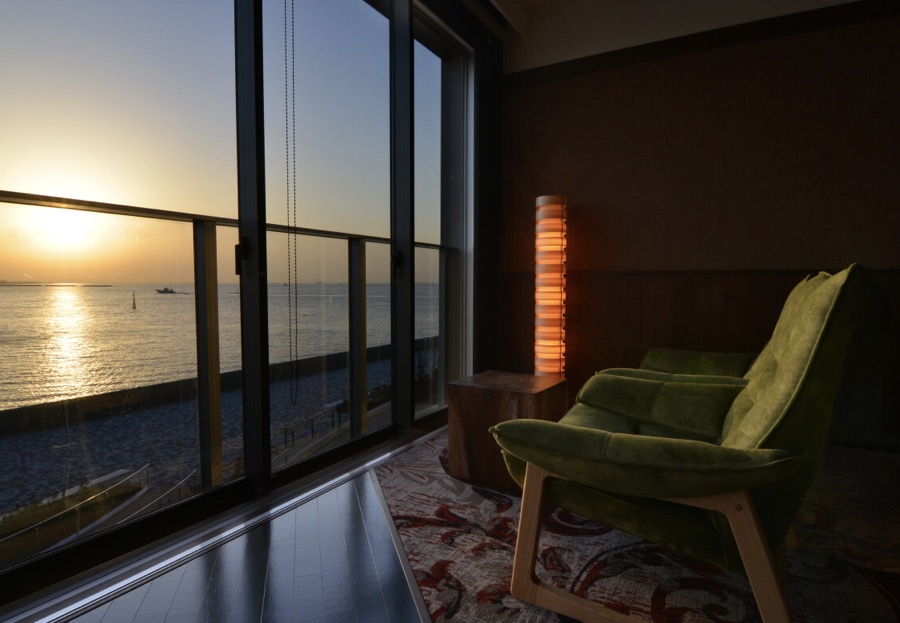
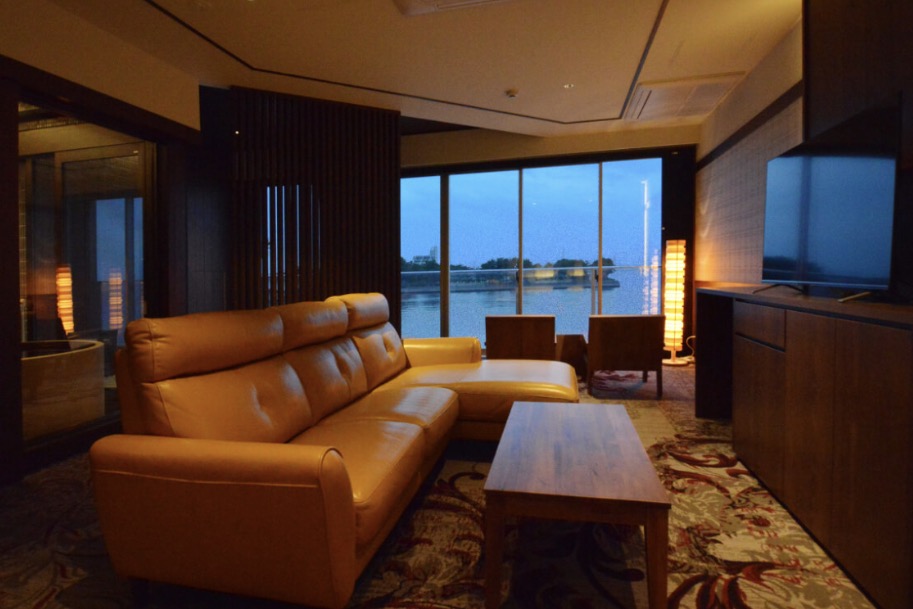
At the heart of Torizaki Club is its remarkably boutique hotel, featuring just six exclusive guest rooms. Unlike large-scale international resorts or massive commercial hotels that often bustle with heavy foot traffic, this intimate property prioritizes absolute privacy, tranquility, and personalized comfort. Every single room within the property faces directly toward Tokyo Bay, ensuring that guests are greeted with sweeping, uninterrupted panoramas of the water from the moment they wake up. On clear days, the iconic silhouette of Mount Fuji even graces the horizon across the bay, offering a classic Japanese view that instantly melts away travel fatigue.
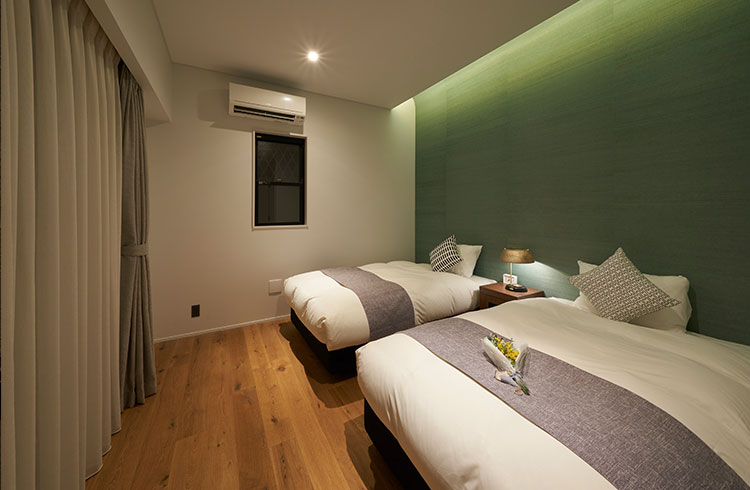
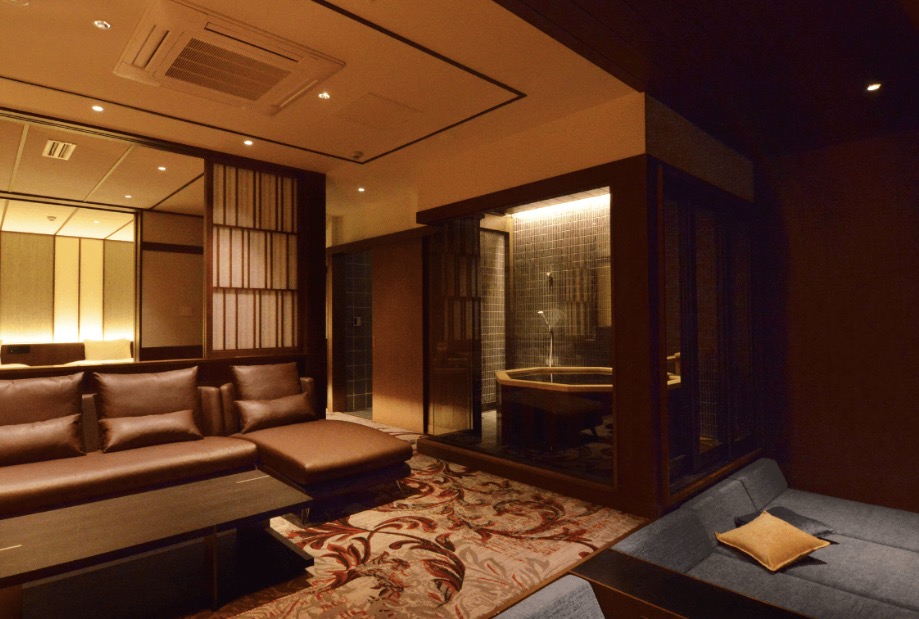
The architectural philosophy of the hotel centers around the unique concept of “staying inside a sushi restaurant”—functioning as a refined “sushi oberge” where elite lodging and culinary mastery merge into a single, cohesive journey. The accommodations are thoughtfully sized to suit various travel parties: rooms R111 and R116 span approximately 80 square meters with a maximum capacity of four guests; rooms R112, R113, and R114 offer about 60 square meters for up to three guests; and room R115 provides a cozy 50-square-meter layout designed for two guests. Natural wood textures dominate the interior design, creating a warm, organic aesthetic that harmonizes effortlessly with the maritime environment outside the expansive windows.
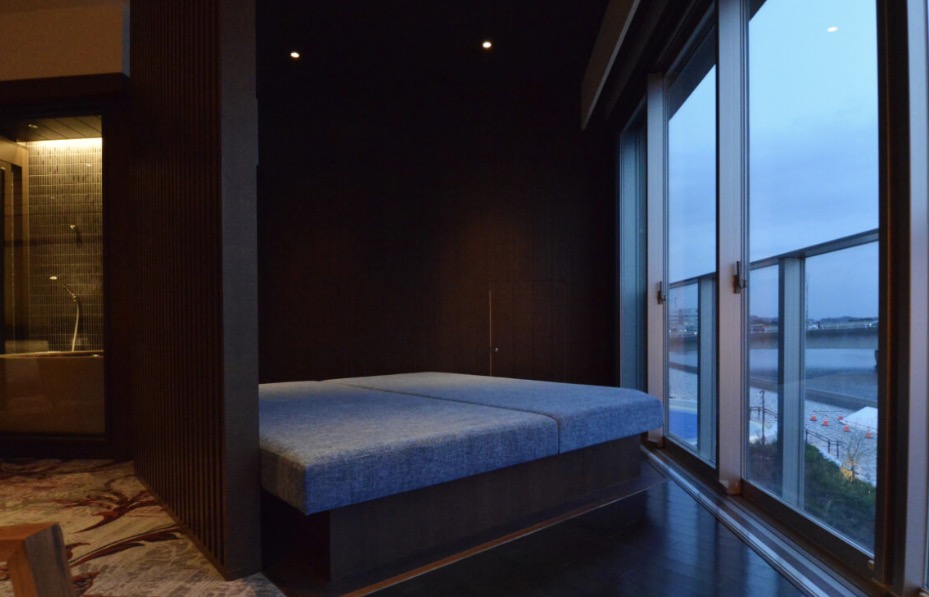
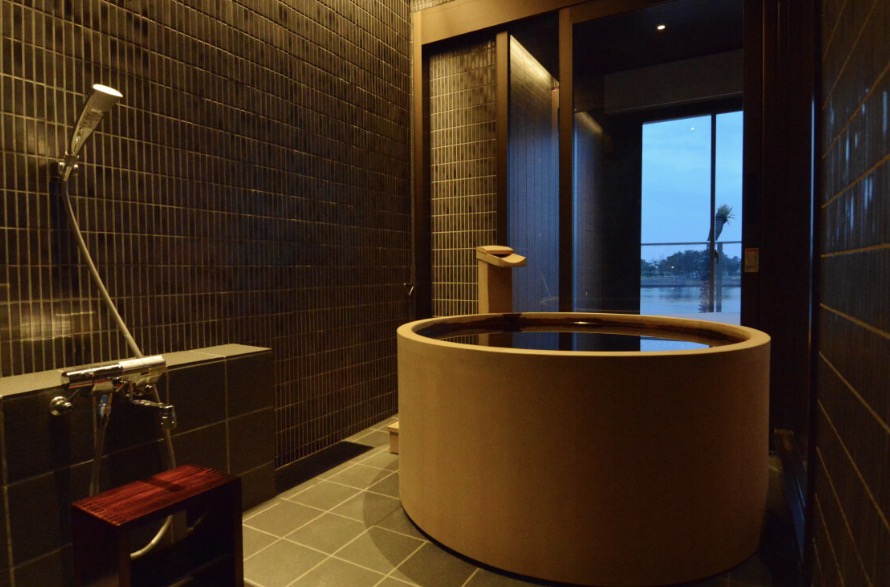
Rooms overlooking Tokyo BayGuest room window sideOcean-view accommodationsHot spring bath installed in guest room
In-Room Hot Springs: Healing Post-Golf Muscle Fatigue
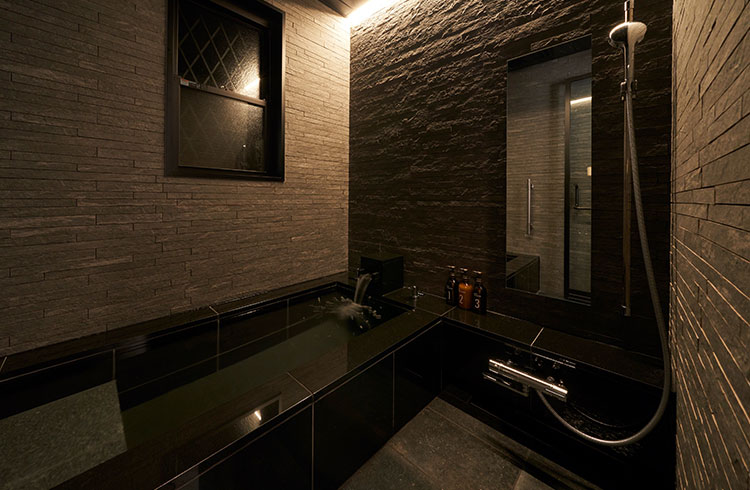
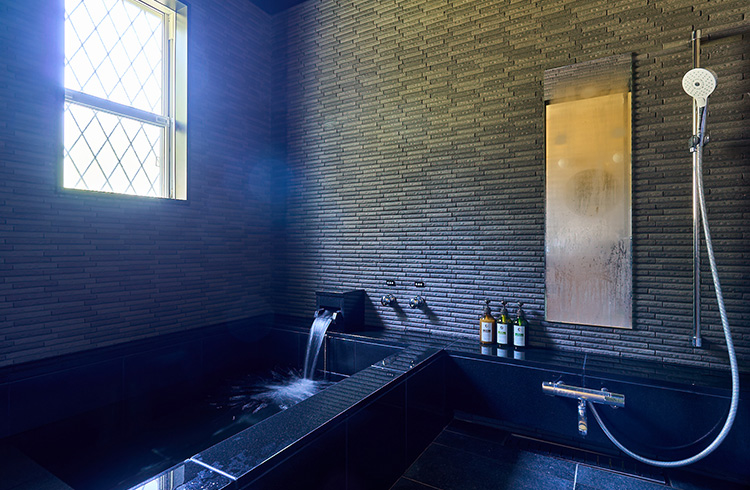
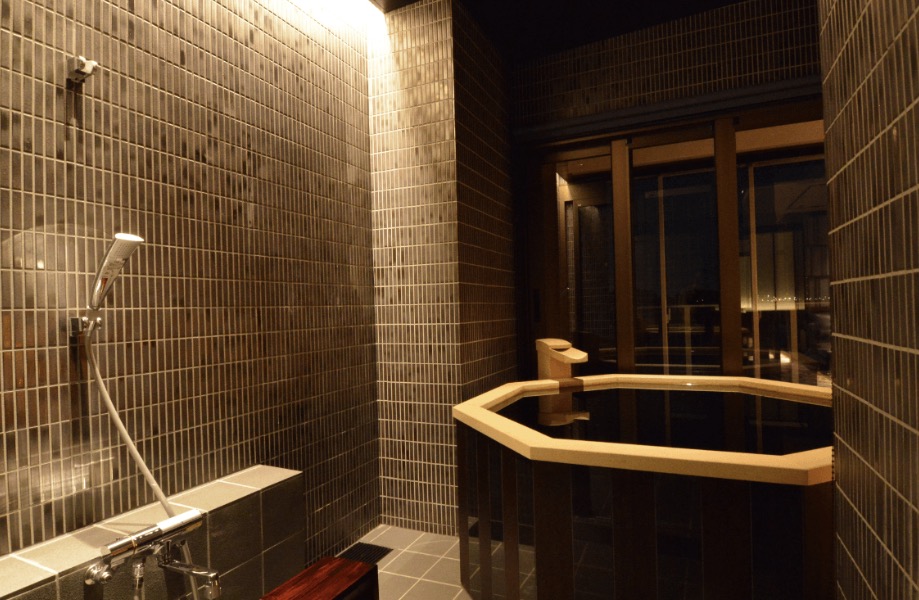
One of the standout features of Torizaki Club is that every single guest room comes equipped with its own private hot spring (onsen) bath. For international visitors traveling to Japan for a golf trip, exploring the country’s legendary hot spring culture is often a top priority. However, traditional Japanese bathing customs—particularly the social nature of large public bathhouses—can occasionally feel intimidating or unfamiliar to first-time travelers from overseas. Having a dedicated, private onsen bath inside one’s own living space completely eliminates any hesitation, allowing guests to soak in healing mineral waters in absolute privacy whenever they desire.
Following an intense 18-hole round at one of Chiba Prefecture’s premier golf courses, stepping directly into a private hot spring bath provides unmatched therapeutic benefits for tired muscles, aching joints, and mental strain. The warm mineral waters improve blood circulation, ease lower back tension from the golf swing, and prepare the body for a restorative night of sleep. Whether soaking at sunset while watching the changing colors of the sky over Tokyo Bay or enjoying a quiet morning soak before heading out to the tee box, the in-room hot spring elevates the entire hospitality experience to a level of pure indulgence.
Hot spring bathtub inside the roomGuest room emphasizing wood texturesGuest room living area overlooking Tokyo Bay
Culinary Excellence: Edomae Sushi and Coastal Seafood
Dining at Torizaki Club is an integral component of the overall experience, perfectly reflecting its identity as a sushi oberge. The complex brings together multiple distinct culinary venues right within its surrounding area, giving visitors diverse options to suit every mood and appetite throughout their stay.
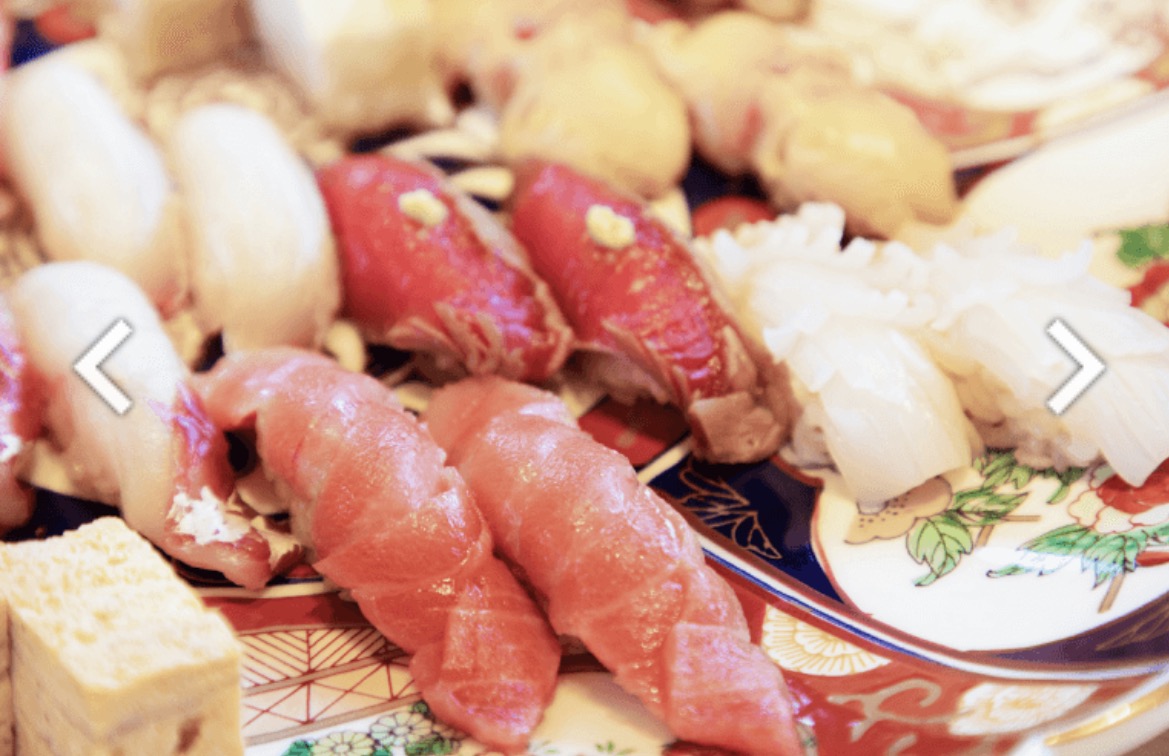
The crown jewel of the dining selection is Sushi Ikai, an exquisite establishment where master chefs craft authentic Edomae sushi using the freshest catches sourced directly from local waters. For international travelers eager to experience traditional Japanese gastronomy at the highest level, pairing a golf vacation with an authentic omakase sushi dinner is an unforgettable highlight. Every piece of nigiri showcases expert knife work, perfectly seasoned sushi rice, and seasonal ingredients that celebrate the rich maritime bounty of Chiba Prefecture.
Complementing the fine dining experience is Seafood Park 27, a vibrant and casual dining venue that allows guests to savor fresh seafood dishes in a relaxed, open atmosphere. Whether craving grilled seafood or creative coastal plates, this venue captures the laid-back charm of Kisarazu’s fishing heritage. Additionally, Hachiro Chaya provides a specialized cafe experience centered around carefully selected roasted green tea (hojicha) and natural honey, offering a peaceful spot for an afternoon refreshment or a quiet moment of reflection.
Sushi at Sushi Ikai
Green Club: Precision Practice and Indoor Entertainment
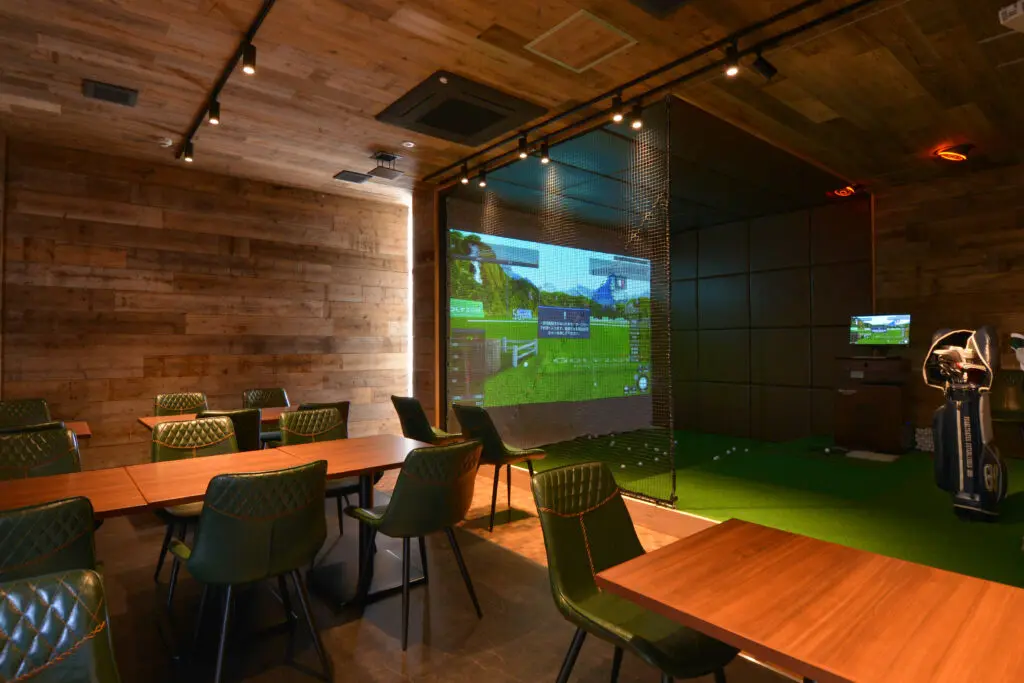
For visiting golfers, one of the most exciting facilities on the property is Green Club, an innovative indoor lounge that combines dining with advanced simulation golf technology. Outdoor course management is only one part of modern golf appreciation; indoor simulation offers golfers a fantastic opportunity to fine-tune their swing mechanics, analyze ball flight data, and practice course strategies in a climate-controlled environment.
Guests can utilize Green Club during various points of their itinerary. It serves as an ideal activity for the evening of arrival, allowing travelers to unwind after the journey from Tokyo without feeling rushed. Alternatively, visiting the simulator the morning before heading out to a physical course provides a great way to warm up muscle memory. Because indoor golf is entirely immune to adverse weather conditions, it guarantees that a sudden rain shower or high wind will never disrupt a carefully planned holiday schedule.
Simulation golf at Green Club
Crafting the Ultimate Kisarazu Golf Itinerary
Chiba Prefecture is widely recognized as one of Japan’s premier golfing regions, boasting a high concentration of championship-caliber courses nestled among rolling hills and scenic coastlines. Establishing Torizaki Club as your primary accommodation base unlocks an effortless blend of world-class sport, coastal exploration, and gourmet dining.
A typical 2-night or 1-night golf itinerary might begin with a convenient drive or transfer from Tokyo across the Aqua-Line. Upon arrival in Kisarazu, travelers can spend the afternoon strolling along the scenic waterfront of Torizaki Seaside Park before checking into their ocean-view room. The evening unfolds naturally with a private hot spring soak, followed by an exquisite Edomae sushi omakase dinner at Sushi Ikai. The following morning, golfers can head out to any of the exceptional nearby courses for an invigorating 18-hole round. Returning to the property in the late afternoon allows for a relaxing session at Green Club, concluding with a fresh seafood dinner at Seafood Park 27.
💡 Tip: International travelers planning a golf trip in Japan should secure tee times several weeks or months in advance, and confirm whether rental golf clubs, appropriate golf attire (such as collared shirts), and transportation arrangements are fully coordinated.
Essential Planning Details for International Travelers
To ensure a seamless and stress-free stay, international visitors should keep a few practical details in mind when booking and preparing for their visit to Torizaki Club.
Property Feature
Detail & Specification
Total Guest Rooms
6 exclusive rooms with ocean views
Room R111 & R116
Approx. 80㎡ | Max capacity: 4 guests
Room R112, R113, R114
Approx. 60㎡ | Max capacity: 3 guests
Room R115
Approx. 50㎡ | Max capacity: 2 guests
Hot Spring Access
Private onsen bath installed in every guest room
Dining & Facilities
Sushi Ikai, Seafood Park 27, Hachiro Chaya, Green Club
Parking & Accessibility
Parking available by reservation (8 spaces); no elevator on-site
When making reservations, guests should carefully verify their preferred room type, specific meal plan selections, and expected check-in times. Because dining venues such as Sushi Ikai operate on separate schedules and require advance reservations, communicating dietary preferences or specific dining times during the booking process is highly recommended. For golfers, calculating travel times between the hotel and surrounding golf courses will help ensure a relaxed and punctual itinerary.
Summary: Elevating Your Kisarazu Journey Beyond the Greens
Torizaki Club does not feature a traditional golf course on its own grounds, yet it serves as an extraordinary companion destination for any golf holiday in Chiba Prefecture. By seamlessly integrating private ocean-view accommodations, in-room hot spring baths, world-class Edomae sushi, casual seafood dining, and advanced indoor golf simulation into a single waterfront location, it transforms a standard athletic trip into a multi-sensory Japanese cultural experience.
For international travelers who want to enjoy much more than just a quick round of golf—seeking instead a harmonious balance of relaxation, culinary mastery, and coastal beauty—Torizaki Club stands out as an exceptional choice. Whether you are planning a weekend escape from Tokyo or designing an extended Chiba golf tour, this unique Kisarazu sanctuary ensures that every moment, from the first morning soak to the final evening sushi course, is executed to absolute perfection.
Plan Your Kisarazu Golf & Gourmet Stay
Discover ocean-view hot springs, private dining, and simulation golf on Tokyo Bay.