Japanese Miura Giken irons can be confusing even to golfers familiar with the international MIURA brand. Both trace their roots to Hyogo Prefecture’s clubmaking tradition, but their product lines and model names vary by market. If you plan to buy an iron in Japan, start with the iron numbers you need, your preferred specifications and a specialist fitting rather than assuming similarly named models are identical.
From metalworking to an independent clubmaker
According to MIURA Golf’s official history, founder Katsuhiro Miura spent approximately ten years learning clubmaking at Kojima Iron Works before establishing his own company in 1977. Working with metal in Hyogo Prefecture laid the foundations for his approach to iron design. Every iron number requires its own head geometry, topline and sole design; even within one set, long and short irons must perform different jobs.
Japanese workshop fitting and international MIURA
Miura Giken irons in Japan are often purchased through specialist fitting and club-building workshops. The international MIURA lineup also includes forged irons, including the TC-202 and IC-602. Do not assume that a Japanese TC-102 is identical to an international model just because the names look similar. Compare seven-iron loft, offset, blade length and sole width, as well as the total price of the finished club with your chosen shaft and grip.
Historical tour-player reports from 2021
In 2021, ALBA reported on Yuka Saso’s sensitivity to how an iron sole interacts with the turf, and on Atthaya Thitikul’s use of the TC-101. These are historical examples, not claims about either player’s equipment in 2026. They illustrate why skilled golfers consider turf interaction, feel and head geometry rather than focusing on loft alone.
What to examine in TC-102 photographs
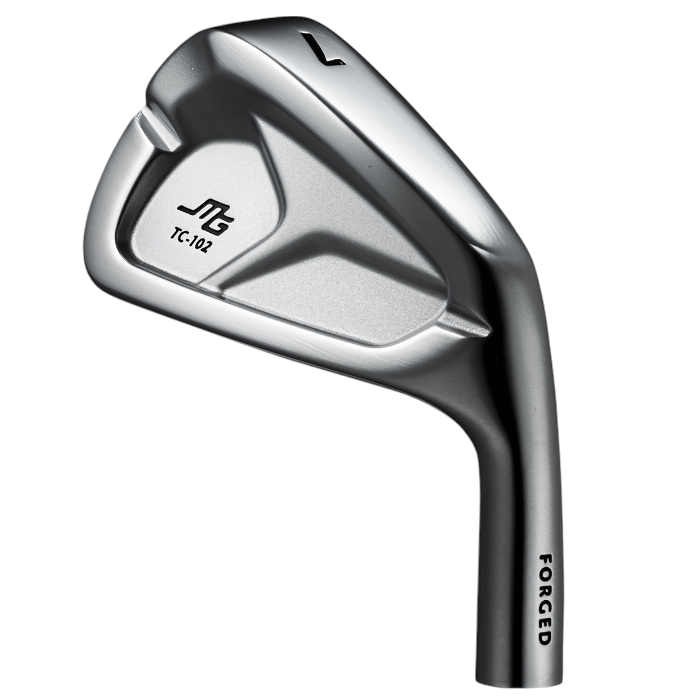
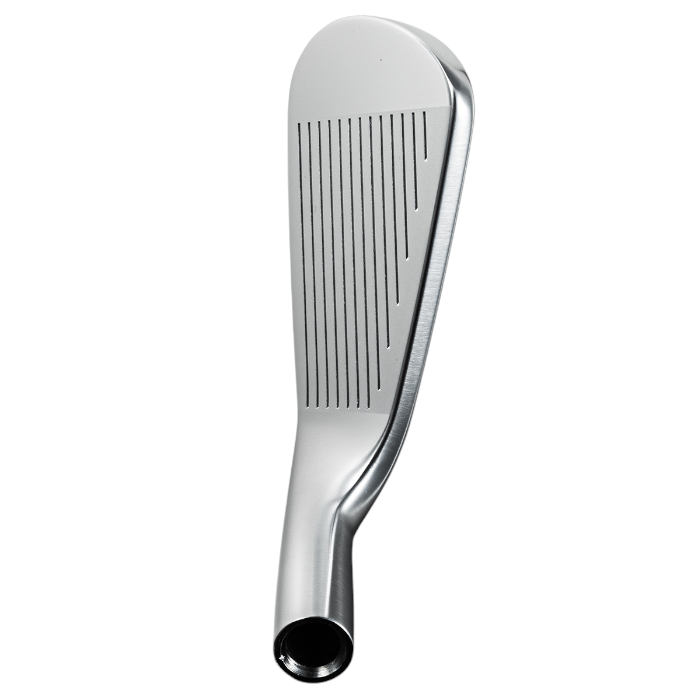
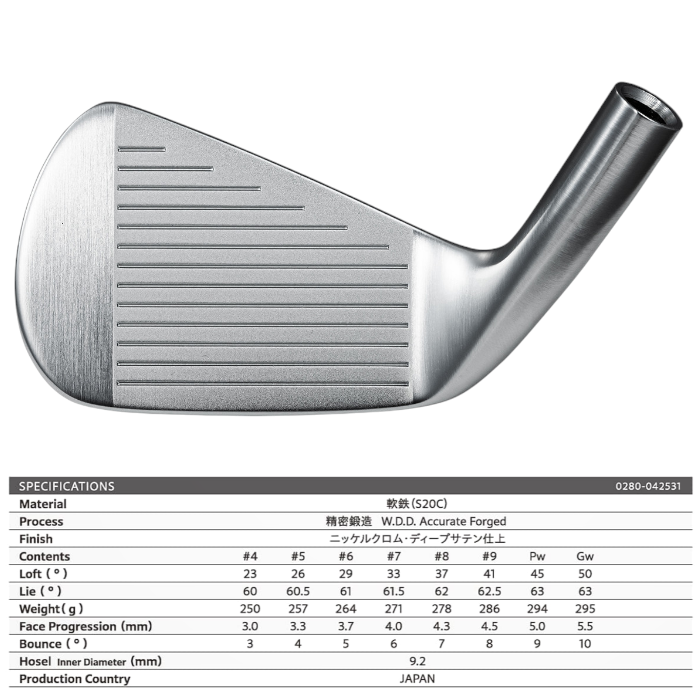
When examining the domestic TC-102, look beyond the back-cavity styling. Check the topline and leading edge as the club sits behind a ball. During a fitting, pay attention to carry distance and dispersion on slightly thin strikes, not just the longest shot. A fitter can also help decide whether to use a matching long iron, a different head model or a hybrid to achieve consistent distance gaps.
Before booking a fitting or ordering in Japan
Before visiting a Japanese workshop, ask whether it has a TC-102 demonstration head for your handedness and which shafts can be tested. Bring your usual seven-iron as a benchmark if practical. Request a complete quote including heads, shafts, grips, assembly and adjustments, and confirm the collection date. Short-term visitors should ask separately whether the finished clubs can be shipped.
Compare sound, impact feel and sole interaction separately
A description such as ‘soft feel’ is subjective: the ball, strike location and shaft can all change the sensation. If the workshop permits, test with a familiar ball and compare centered and slightly toe-side strikes. Examine the iron at address with the shaft installed. Also discuss how the sole’s width and front-to-back curvature may interact with your swing and local turf conditions.
Checklist: comparing Japanese and international models
When comparing product pages, record the exact head designation, handedness, loft by iron number, standard shaft options and how the set is sold. A per-club price is not the final build price if adjustments or upgraded shafts are added. Visitors should check fitting fees and shipping arrangements. Alternate shots between your own seven-iron and the test club to reduce the effect of becoming accustomed to one model.
What to check when collecting custom clubs
At collection, compare each club with the written specification sheet. Check head and shaft markings, iron numbers, grip alignment and playing lengths. On the range, test both long and short irons to verify distance gaps, especially between the shortest iron and your wedges. Keep the fitting record in case you later need a replacement or an additional club.
Leave a Reply