
HONMA ZEROPT: Japan’s Zero-Torque Putter Explained
Japan’s HONMA has introduced ZEROPT, a putter series built around the idea of minimizing unwanted twisting during the stroke. For visiting golfers shopping for Japanese golf equipment, the ZEROPT range is an interesting example of how domestic manufacturers are responding to the growing interest in low-torque putter designs.
What does “zero torque” mean?
Traditional putters can have different amounts of toe hang, depending on how the head’s center of gravity relates to the shaft axis. A low-torque or “zero-torque” design seeks to reduce the head’s tendency to rotate around the shaft axis. The intended benefit is a face that feels easier to keep stable during the putting stroke. It does not mean the putter will automatically square the face or eliminate mishits.
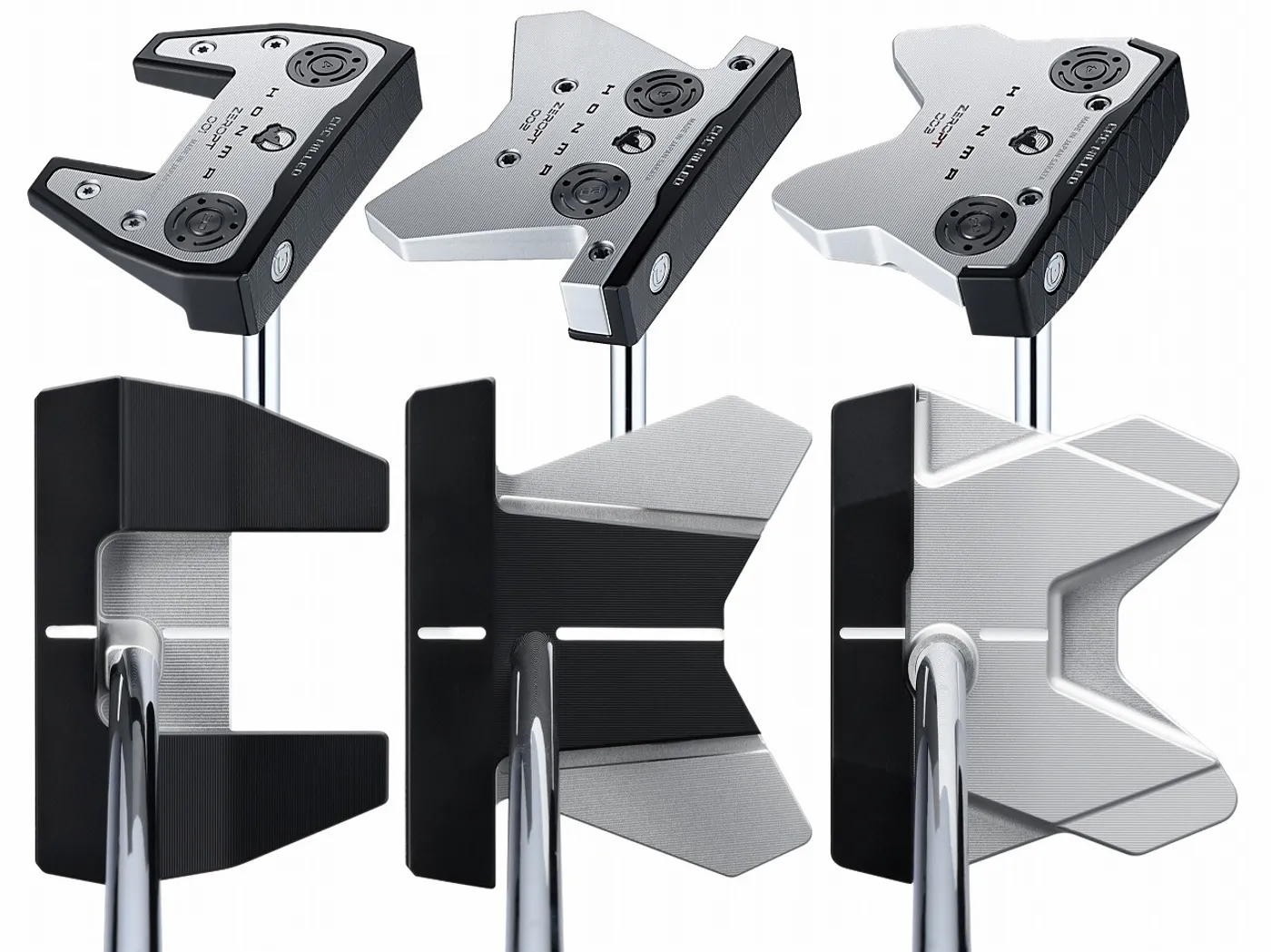
What about zero loft?
Loft is the angle of the putter face relative to vertical. Most conventional putters incorporate a small amount of loft to help launch the ball out of its resting position on the green. A zero-loft design changes that starting geometry, so delivery matters: forward shaft lean, ball position, attack angle, and the type of green can all affect launch and roll. Golfers should test the putter on a real green rather than assume zero loft will suit every stroke.
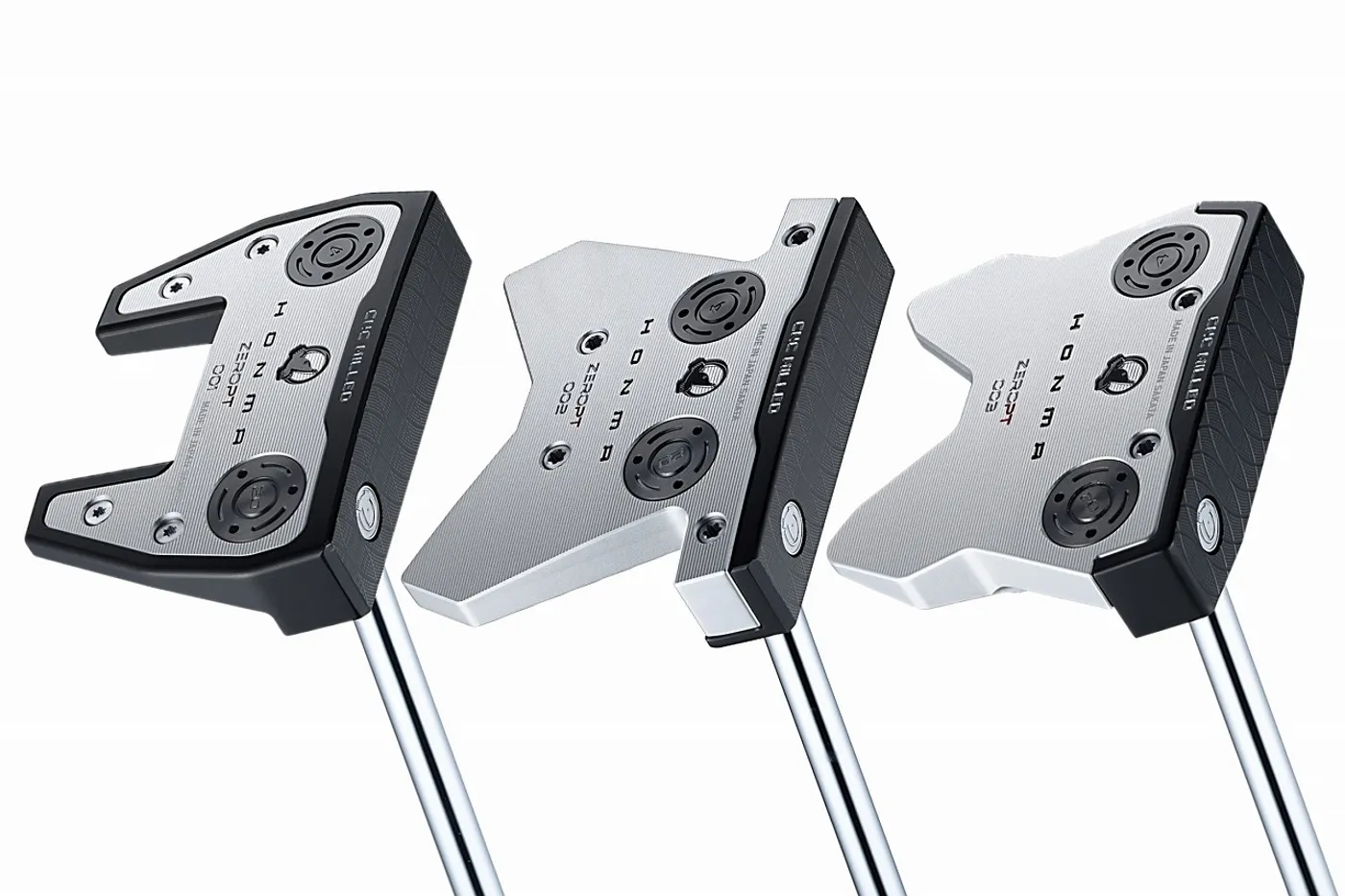
Who benefits from zero loft? The critical role of shaft lean
Most conventional putters are built with a few degrees of static loft, often around 2–4 degrees. A nominal 0° putter is therefore a significant change, but static loft is only part of the story: the dynamic loft at impact also depends on forward shaft lean, ball position, attack angle and the way the head is delivered.
What happens with a strong forward press?
A golfer who presents the handle well ahead of the putter head can reduce delivered loft. With a 0° static-loft face, that may create negative dynamic loft at impact. Depending on attack angle and turf interaction, the ball may be driven more firmly into its depression in the grass, producing an inconsistent initial launch, bounce or skid before it settles into forward roll. It does not automatically mean every putt will bounce or roll poorly: the actual outcome needs to be measured.
Which putting strokes are more compatible?
A golfer who returns the shaft close to neutral at impact, or delivers a little positive dynamic loft through ball position and a gently ascending strike, may find a zero-loft design easier to fit. Conversely, golfers who use a pronounced forward press, putt with the ball far back, or consistently deliver substantial negative loft should be cautious. Moving the ball forward or changing the handle position purely to accommodate the club can introduce other directional and distance-control problems.
How to test it properly
Compare ZEROPT with your current putter on the same green. Have a fitter observe or measure delivered loft and attack angle, then assess initial ball launch, skid, speed consistency and distance control. Test both short putts and longer lag putts. The goal is appropriate delivered loft for your stroke and green conditions, not simply the lowest possible loft number. The zero-torque design and the zero-loft face are separate engineering choices: one addresses the head’s rotational behavior, while the other changes launch conditions.
Three models to compare
The ZEROPT range includes the model names ZEROPT-001, ZEROPT-002, and ZEROPT-003. The right choice depends on how each head looks behind the ball, its alignment cues, and how comfortably you control distance. Compare the models side by side and ask a fitter or retailer about the exact head dimensions, lie angle, length options, and stock grip before purchasing.
Price and Japan availability
The announced Japanese retail price is ¥88,000 including tax, with a scheduled domestic launch on November 6, 2026. Actual stock, specifications, and purchase eligibility may vary by retailer and model. International visitors should also check tax-free shopping eligibility and warranty coverage before buying.
Who should consider HONMA ZEROPT?
This putter is worth trying if you prefer a stable-feeling face and want to compare Japanese equipment with other low-torque designs. It may be less compelling if you already putt consistently with a toe-hang model and prefer the sensation of natural head rotation. The most useful comparison is not the marketing label but your start-line consistency, distance control, and confidence over short putts.
Quick fitting checklist
- Check whether your hands lead the head at impact and whether that produces negative delivered loft.
- Compare initial launch and skid with your current putter, not just the appearance of the stroke.
- Test short putts and long putts on the same green with the same ball.
- Check lie angle, length, head shape and international warranty terms before buying.
Frequently asked questions
Does zero loft mean the ball rolls immediately?
No. The actual launch and early skid depend on delivered loft, attack angle, impact location and green conditions.
Can forward press be a problem with zero loft?
Yes. Strong forward shaft lean can produce negative delivered loft. The result varies by player and should be tested.
Is zero torque the same as zero loft?
No. Zero torque describes the head’s tendency to rotate around the shaft axis; zero loft describes the face’s static angle.
Explore more Japanese golf equipment
For other distinctive products, read our guide to Japanese short-game clubs or browse new products from Japan.
Buying advice for golfers visiting Japan
Ask the shop whether you can roll putts with more than one ZEROPT head shape. Check the shaft length in your normal address position and test both short putts and long lag putts. Keep the original receipt and confirm whether the warranty applies outside Japan. If you plan to fly home with the putter, protect the head and shaft during travel.
GOLF SIGNAL FROM JAPAN follows distinctive golf equipment and shopping experiences available in Japan.
Leave a Reply